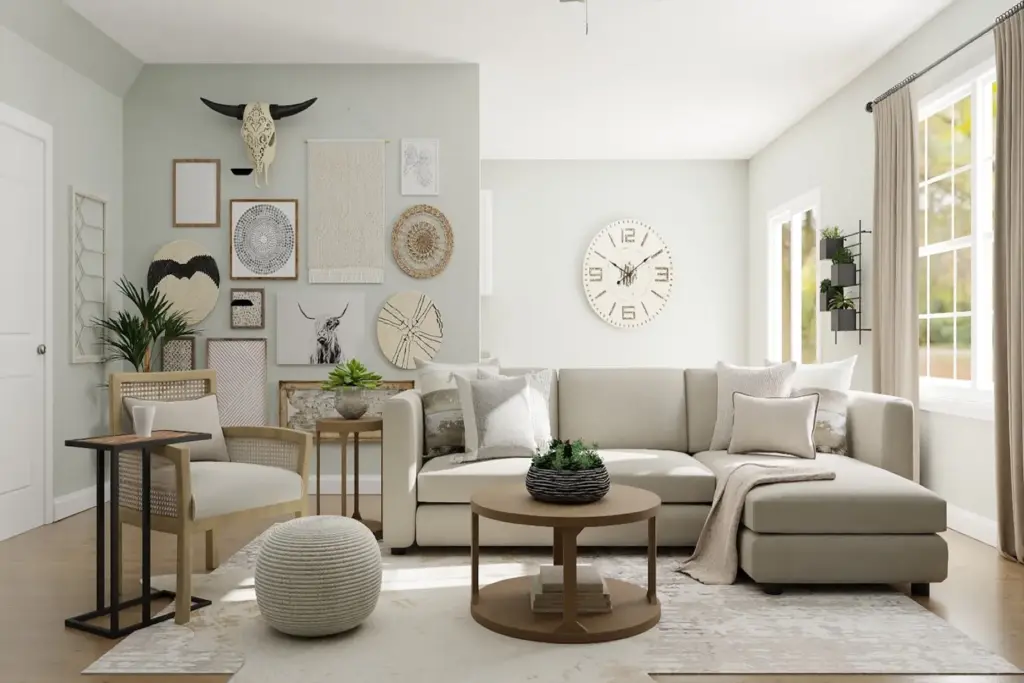
Staged homes in the Austin metro sold for an average of 5% to 10% more than comparable unstaged homes in 2025, according to the National Association of Realtors’ 2025 Profile of Home Staging. More importantly, staged homes sold in an average of 23 days versus 45 days for unstaged homes. In a market where the Travis County median sits at $485,000 and the average days on market has stretched to 60, those numbers translate to real dollars: a 5% premium on a $485,000 home is $24,250, and selling 22 days faster means less carrying cost on your mortgage, insurance, and taxes.
Home staging is not interior decorating. It is strategic property marketing. The goal is not to make the home look like a magazine spread. The goal is to help buyers emotionally connect with the space, visualize their life in it, and feel confident that the home is well-maintained and move-in ready. That emotional connection drives faster offers and higher prices.
This guide covers everything Austin sellers need to know about staging: whether to DIY or hire a professional, room-by-room strategies, virtual staging, costs and ROI, Austin-specific tips for indoor-outdoor living, and how to maintain a staged home during showings.
Why Staging Works: The Psychology of Buying
Buyers make decisions emotionally and justify them logically. Staging leverages several psychological principles:
- First impressions form in 7 to 10 seconds: Buyers decide within moments whether a home “feels right.” Staging ensures that first impression is positive
- Empty rooms feel smaller: Furnished rooms with properly scaled furniture help buyers understand the space. An empty 15×20 living room looks small. The same room with a sectional, coffee table, and area rug looks inviting and appropriately sized
- Clutter triggers stress: Research from UCLA’s Center on Everyday Lives and Families found that clutter raises cortisol levels. Buyers walking through a cluttered home feel stressed, even if they cannot articulate why
- Depersonalization enables projection: When your personal items (photos, collections, religious artifacts, sports memorabilia) fill the home, buyers see YOUR life, not theirs. Neutral staging creates a blank canvas for projection
- Condition signals value: A staged home reads as “well-maintained” even if the actual condition is identical to an unstaged competitor. The halo effect of good presentation extends to the buyer’s perception of the home’s systems, structure, and overall quality
Professional Staging vs. DIY: Which Is Right for You?
Professional Staging
A professional stager brings furniture, art, accessories, and expertise to transform your home for sale. Services typically include:
- Consultation ($200 to $500): The stager walks through your home and provides a detailed recommendation on what to keep, what to remove, and what needs to change. Great for sellers who want guidance but will do the work themselves
- Partial staging ($1,500 to $3,500): The stager provides furniture and accessories for key rooms (living room, primary bedroom, dining area) while you prepare the remaining rooms yourself
- Full staging ($3,000 to $7,000+ for first month): The stager furnishes the entire home with rented furniture, art, rugs, and accessories. Monthly rental fees of $1,000 to $2,500 apply after the initial period
- Vacant home staging ($4,000 to $10,000+): Completely furnishing an empty home. Essential for vacant properties, which are notoriously difficult to sell because empty rooms photograph poorly and feel cold
Professional staging is most valuable for homes priced above $400,000, vacant properties, homes with unusual layouts that need furniture to demonstrate functionality, and luxury homes where presentation expectations are highest.
DIY Staging
For sellers on a budget or with homes that are already in good condition, DIY staging can be highly effective. The core principles are the same: declutter, depersonalize, clean, and arrange furniture to highlight each room’s purpose and flow.
DIY staging works best when the home is occupied with reasonably modern furniture that fits the rooms well. The primary work is subtraction (removing clutter, personal items, and excess furniture) rather than addition.
Room-by-Room Staging Guide
Entryway and Front Door
This is the buyer’s very first interior impression. The entryway should feel welcoming and set the tone for the rest of the home:
- Clean or replace the front door mat
- Ensure the front door opens smoothly and the lock works easily (agents fumbling with a sticky lock starts the showing on a negative note)
- Add a small console table or bench if space allows
- Remove shoe racks, coat piles, and pet items
- Place a simple seasonal plant or flower arrangement
- Make sure the entry light fixture works and provides warm, adequate light
Living Room
The living room is typically the first major room buyers see. It should feel spacious, bright, and comfortable:
- Furniture arrangement: Pull furniture away from walls. Create a conversational grouping with the sofa, chairs, and coffee table. This makes the room feel larger and more inviting than the “everything against the wall” arrangement many people default to
- Remove excess furniture: If the room has more than one seating area, remove the secondary set. Less furniture makes rooms feel larger
- Neutral throw pillows and blankets: Replace bright or patterned pillows with neutral tones (cream, light gray, soft blue). A folded throw over the arm of the sofa adds warmth
- Coffee table styling: One stack of 2 to 3 books, a small plant, and a decorative tray. That is it. Clear everything else
- Window treatments: Open all blinds and curtains to maximize natural light. If window treatments are dated or damaged, remove them entirely
Kitchen
The kitchen sells homes. Buyers spend more time evaluating the kitchen than any other room. Stage it to look clean, functional, and spacious:
- Clear all countertops: Remove everything except 1 to 2 decorative items (a fruit bowl, a small plant, or a cookbook on a stand). Store appliances, knife blocks, spice racks, and dish racks
- Inside the cabinets matters: Buyers open cabinets. Organize them neatly. Remove excess items so cabinets look spacious, not overstuffed
- Clean the sink and faucet until they shine: A sparkling sink signals cleanliness throughout the home
- Replace dated hardware: New cabinet pulls and knobs ($3 to $8 each) modernize a kitchen for under $100. This is one of the highest-ROI updates you can make
- Fresh dish towels: White or neutral towels, perfectly folded on the oven handle
- Remove refrigerator magnets and artwork: Every single one. A clean refrigerator face makes the kitchen look cleaner and more modern
Primary Bedroom
The primary bedroom should feel like a retreat. Buyers want to imagine relaxing here after a long day:
- Invest in bedding: Crisp white or neutral bedding with a simple throw and accent pillows. New bedding ($100 to $200) is one of the best staging investments
- Nightstands: Matching nightstands with a lamp and one small item (a plant or book) each. Nothing else
- Clear the closet: Remove at least 40% to 50% of clothing and shoes. Buyers need to see that the closet can hold their belongings. An overstuffed closet screams “not enough storage”
- Remove exercise equipment, TVs, and desks: The primary bedroom should feel like a bedroom, not a multi-purpose room
Bathrooms
Bathrooms should feel spa-like and spotless:
- Deep clean grout, fixtures, glass, and tile. Re-caulk around the tub and shower if the existing caulk is discolored or peeling
- Matching white towels, neatly folded or rolled on a towel bar or shelf
- Remove all personal items from the vanity (toothbrushes, medications, razors). Store them in a closed cabinet or bin
- Close the toilet lid for all showings and photos
- Add a small plant (real or high-quality artificial) and a candle (unlit) for a touch of warmth
- Replace a dated mirror or light fixture for under $100 to $200 if needed
Dining Room
Set the table with a simple place setting for 4 to 6 (not a full holiday spread). A low centerpiece (fresh flowers or a small plant) adds life without blocking sightlines across the table. Remove any extra chairs or leaves to make the room feel spacious.
Home Office
With remote and hybrid work now standard, a home office is a selling feature. If you have a dedicated office, stage it as such: clean desk, monitor, a few books, a plant. If you do not have a dedicated office, consider converting a spare bedroom corner or an underused nook into a staged workspace with a small desk and chair.
Garage
Yes, buyers look at the garage. An organized, clean garage signals a well-maintained home. Clear the floor, organize shelving, and sweep. If your garage is a cluttered storage dump, consider renting a storage unit for the listing period ($100 to $200/month).
Austin-Specific Staging Tips
Austin’s climate, lifestyle, and buyer expectations create unique staging opportunities:
Outdoor Living
In Austin, the backyard is a room. Stage it accordingly:
- Clean and arrange patio furniture as an outdoor dining or lounge area
- String lights on covered patios (they photograph beautifully at twilight)
- If you have a pool, make sure it is clean, blue, and inviting. Add pool floats for photography
- Stage a firepit area with chairs and a stack of wood
- Mow, edge, and trim everything. In summer, water the lawn the day before photography
Outdoor staging is particularly important in neighborhoods like Bee Cave, Lakeway, and Dripping Springs, where Hill Country views and outdoor entertaining space are primary selling features.
Hill Country Views
If your home has a view, make it the star. Remove window treatments, clean windows inside and out, and arrange furniture to frame the view rather than block it. Twilight photography captures Hill Country views beautifully and is worth the extra photography cost.
Texas Heat Considerations
During summer showings (May through September), keep the home at 72 to 74 degrees before showings arrive. A hot house is an uncomfortable house, and uncomfortable buyers leave quickly. Consider ceiling fans running on low for both airflow and visual appeal. Fresh flowers wilt fast in Texas heat, so high-quality artificial greenery may be more practical during summer months.
Virtual Staging: When Physical Staging Is Not Feasible
Virtual staging uses digital technology to add furniture and decor to photos of empty rooms. It has become significantly more sophisticated in recent years:
Pros
- Cost: $25 to $75 per photo (vs. $3,000+ for physical staging)
- Speed: 24 to 48 hour turnaround
- Flexibility: Easy to create multiple design styles for different buyer profiles
- No physical logistics: No delivery, setup, or rental periods
Cons
- The home is still empty during in-person showings, which can create a disconnect between online photos and the actual experience
- Some buyers feel misled if the virtual staging is not clearly disclosed
- Empty rooms echo, feel cold, and show every imperfection (scuffs, stains, wear patterns) that furniture would hide
Virtual staging works best as a complement to, not a replacement for, basic physical preparation. Use virtual staging for online listings, but still clean, paint, and repair the physical space for in-person showings. MLS rules in most areas require disclosure that photos are virtually staged.
Staging Costs and ROI
| Staging Level | Typical Cost | Best For | Expected ROI |
|---|---|---|---|
| DIY declutter and clean | $0 to $500 | Occupied, well-furnished homes | 2% to 5% price premium |
| Consultation only | $200 to $500 | Sellers who want guidance but will do the work | 3% to 5% price premium |
| Partial professional staging | $1,500 to $3,500 | Key rooms need help; rest is fine | 5% to 8% price premium |
| Full professional staging | $3,000 to $7,000+ | Occupied homes needing major presentation upgrade | 5% to 10% price premium |
| Vacant home staging | $4,000 to $10,000+ | Empty homes (essential, not optional) | 8% to 15% price premium vs. vacant showing |
| Virtual staging | $200 to $500 (all rooms) | Budget-conscious sellers, online-only enhancement | 1% to 3% (online interest only) |
At the $485,000 Travis County median, even a conservative 5% staging premium translates to $24,250 in additional sale price. Against a full staging cost of $5,000, that is nearly a 5x return on investment. Ed Neuhaus, broker of Neuhaus Realty Group, notes that staging ROI is highest for homes in the $400,000 to $800,000 range where buyer competition is strongest and presentation quality directly influences offer amounts.
Paint Colors That Sell in Austin
If you are repainting before listing (which you should), stick to colors that appeal to the broadest buyer pool:
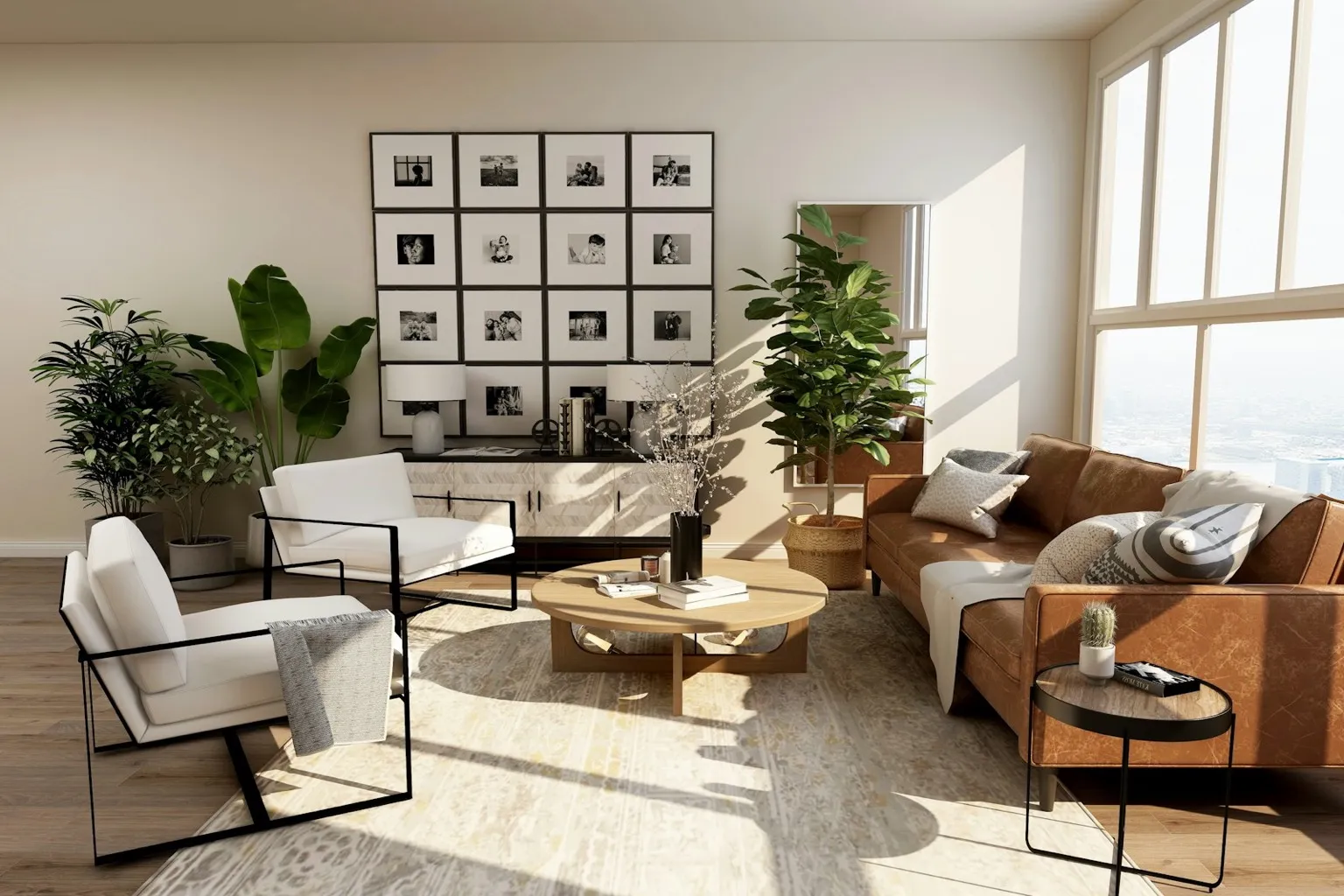
- Main living areas: Sherwin-Williams Agreeable Gray (SW 7029), Benjamin Moore Revere Pewter (HC-172), or Sherwin-Williams Alabaster (SW 7008). These warm neutrals photograph well and work with any buyer’s furniture
- Bedrooms: Light, warm tones. Sherwin-Williams Accessible Beige (SW 7036) or Benjamin Moore White Dove (OC-17)
- Bathrooms: White or very light gray. Sherwin-Williams Extra White (SW 7006) brightens small spaces and reads as clean
- Kitchen: White or the same neutral as main living areas. Consistency between rooms creates flow
- Exterior: Depends on the home’s style and neighborhood context, but earth tones, warm whites, and soft grays are safe choices in Austin. Avoid anything that clashes with the limestone and cedar aesthetic of Hill Country architecture
Avoid bold accent walls, dark colors in small rooms, and any color that limits the buyer’s ability to envision their own decor. The goal is to create a neutral backdrop that lets buyers see the home, not the paint.
Staging for Different Property Types in Austin
Condos and Townhomes
Smaller spaces require minimalist staging. Every piece of furniture must earn its place. Key strategies:
- Use apartment-scale furniture (not oversized suburban pieces that overwhelm the rooms)
- Mirrors amplify light and create the illusion of more space
- Highlight storage solutions since storage is a top concern for condo buyers
- Stage the balcony or patio as an outdoor room, no matter how small
- If the unit has a view, make it the focal point. Arrange all furniture to face the view
Luxury Homes ($750K+)
Luxury buyers have higher expectations. Professional staging is not optional at this price point. Key elements:
- High-end furniture and accessories that match the home’s architectural style
- Art on walls (rented from staging companies or galleries) that adds sophistication without being distracting
- Fresh flowers in key rooms (weekly refresh during active showings)
- Scent management: subtle, clean fragrances (not candles or plug-ins, which read as covering up odors)
- Every detail matters: matching outlet covers, cabinet hardware, light switch plates. Inconsistency at this price point signals carelessness
Older Homes and Fixer-Uppers
For homes that show their age, staging should acknowledge the character while demonstrating potential:
- Fresh paint is mandatory. It is the single most effective tool for updating an older home’s appearance
- Modern light fixtures replace dated ones inexpensively ($50 to $200 each)
- Stage key rooms to show the home’s potential, not its current state
- Clean ruthlessly. An older home that is spotlessly clean reads as “well-maintained.” The same home with dust and cobwebs reads as “neglected”
- Emphasize original features that modern buyers value: hardwood floors, built-in shelving, large windows, mature landscaping
Homes with Acreage
Hill Country properties on acreage need staging that extends beyond the house:
- Clear brush and overgrowth along driveways and walkways
- Mow and maintain visible pastures and open areas
- Stage outdoor areas where the land’s potential is most visible (hilltop seating area, fire pit, garden space)
- Clean and organize outbuildings, barns, and workshops
- If the property has a pond, creek, or notable natural feature, create a clear path to it
Common Staging Mistakes That Cost Sellers Money
Avoid these errors that well-intentioned sellers frequently make:
- Over-staging: A room packed with accessories, candles, and decorative items feels cluttered, not styled. Less is more. When in doubt, remove another item
- Ignoring odors: Sellers become nose-blind to their own home’s smells. Pet odors, cooking smells, musty basements, and heavy fragrances all deter buyers. Ask a friend to honestly assess your home’s scent
- Dark rooms: Sellers who prefer dim lighting forget that bright rooms photograph better and feel more spacious. Replace low-wattage bulbs with 60 to 75 watt equivalents, open all blinds, and turn on every light for showings
- Leaving personal items visible: Prescription medications, financial documents, valuable jewelry, and firearms should be secured and hidden during showings for both presentation and security reasons
- Ignoring the front yard: Buyers form their first opinion before they walk through the door. Dead plants, cracked walkways, a faded front door, and an empty porch send the wrong message
- Forgetting about the back of closets and cabinets: Buyers open everything. Jammed closets signal inadequate storage. Disorganized cabinets signal a home that is not well-maintained
- Themed rooms: A child’s room decorated as a spaceship or a man cave with neon beer signs limits buyer imagination. Neutral staging lets every buyer envision their own use
- Obvious cover-ups: A fresh coat of paint on one wall (but not the others) or new carpet in one room (but not adjacent rooms) raises red flags about what is being hidden
- Seasonal mismatch: Heavy velvet curtains and dark colors in a summer listing feel oppressive. Light, airy staging matches Austin’s warm climate year-round
The Staging Timeline: When to Start
Staging should be part of your pre-listing preparation plan, not an afterthought:
| Timeline | Action |
|---|---|
| 4 to 6 weeks before listing | Initial consultation with stager (if using professional). Begin decluttering. Start donating, selling, or storing items you will not need |
| 3 to 4 weeks before | Complete repairs: paint, fix fixtures, re-caulk, patch drywall. Address landscaping |
| 2 to 3 weeks before | Deep clean entire home (professional cleaning recommended, $200 to $400). Finish decluttering. Rent storage unit if needed |
| 1 to 2 weeks before | Professional stager delivers furniture and sets up. DIY stagers make final arrangements |
| 3 to 5 days before | Professional photography session. Ensure home is in perfect staged condition for photo day |
| Listing day | Final touch-up. Fresh flowers. All lights on. Thermostat set. Home ready to show |
For a complete overview of the selling timeline from start to finish, see our guide to selling your home in Austin.
Staging for Photos vs. Staging for Showings
There is a subtle but important difference between staging for photography and staging for in-person showings:
Photography Staging
- Every surface must be clear. Even items you would normally leave out (hand soap, a coffee maker) should be removed for photos
- Turn on ALL lights, including under-cabinet, closet, and accent lights
- Open ALL blinds and curtains for maximum natural light
- Remove all trash cans, laundry baskets, and practical items from view
- Add pops of color: a bright throw pillow, fresh flowers, a bowl of citrus fruit. These photograph well
- Straighten all lines: towels, pillows, rugs, blinds should be perfectly aligned
Showing Staging
- Slightly more lived-in feel is acceptable (hand soap can stay, one appliance on the counter is fine)
- Temperature matters: 72 to 74 degrees, lights on, curtains open
- Background music at low volume can create ambiance (neutral acoustic or jazz playlist)
- Fresh scent: a cracked window for fresh air or a subtle, clean diffuser (not candles or sprays)
- All beds made, towels fresh, no dishes in the sink
Maintaining a Staged Home During Showings
Keeping your home “show ready” while living in it is the hardest part of selling. Practical survival tips:
- Create a “showing kit”: A laundry basket for quick countertop clearing, a bag for bathroom items, and a checklist by the front door
- Establish a daily routine: Make beds, wipe counters, and vacuum high-traffic areas every morning
- Have a 15-minute “go” plan: When a showing is requested on short notice, everyone knows what to grab and clean. Practice it once
- Pets: Take them with you. If that is not possible, crate them in the garage or a secondary room and leave a note for the showing agent. Remove pet bowls, beds, and toys from visible areas
- Cooking: Avoid strong-smelling foods (fish, curry, garlic) during active showing periods. The smell lingers for hours
- Kids: Have a toy bin system where everything goes in quickly. Designate one room as the “stuff room” where you can quickly move items during showings
Lighting: The Most Underrated Staging Element
Lighting transforms the feel of a home more than almost any other staging element, and it is often the cheapest improvement to make:
- Replace all burned-out bulbs: Obvious, but often overlooked. Walk through every room, closet, bathroom, and exterior light and ensure they all work
- Upgrade to warm LED bulbs: Replace old incandescent or CFL bulbs with warm white LEDs (2700K to 3000K). They produce clean, inviting light without the harsh blue tone of cool LEDs or the yellow cast of old incandescents
- Match bulb temperatures: All bulbs in a room should be the same color temperature. Mixed bulbs (some warm, some cool) look unprofessional and create an uncomfortable visual disconnect
- Layer lighting: The best-lit rooms use three sources: overhead (ambient), task (under-cabinet, reading lamps), and accent (shelf lighting, picture lights). Even adding one table lamp to a room with only overhead lighting transforms the space
- Update dated fixtures: A builder-grade brass chandelier from 1998 can be replaced with a modern fixture for $50 to $200. Kitchen and bathroom light fixtures are the highest-impact replacements
- Maximize natural light: Clean windows (inside and out), remove heavy drapes, trim exterior vegetation blocking windows, and consider removing window screens for photography day (natural light looks brighter without screens)
Decluttering: The Foundation of All Staging
Before any furniture arrangement, accessory placement, or professional staging can be effective, the home must be decluttered. This is the hardest step for most sellers because they are emotionally attached to their possessions.
The 50% Rule
A good starting point: remove 50% of everything visible in the home. This sounds extreme, but homes that are lived in accumulate far more objects than a staged home should display. Every bookshelf, countertop, tabletop, and wall should have significantly less on it than you think.
Room-by-Room Declutter Checklist
- All rooms: Remove personal photos, collections, religious items, political materials, awards, and trophies
- Kitchen: Clear countertops of everything except 1 to 2 decorative items. Store countertop appliances, knife blocks, paper towel holders, and spice racks
- Bathrooms: Remove everything from shower/tub edges. Store all personal care products inside closed cabinets. Put out only a fresh hand towel and soap dispenser
- Bedrooms: Remove nightstand clutter, exercise equipment, TVs (debatable, but bedrooms photograph better without), and anything stored under beds
- Living areas: Remove extra furniture pieces, magazine racks, pet accessories, and excess throw pillows (keep 3 to 4, not 12)
- Closets: Remove 40% to 50% of contents. Organize by color for visual appeal. This is one of the most impactful steps because buyers always open closets
- Garage: Clear floor space, organize tools and equipment on shelving, and sweep thoroughly
- Storage areas: Organize and label boxes. Neatly stacked storage looks organized; piled-up storage looks overwhelming
Where to Put Everything
You need to physically remove items from the home, not just rearrange them:
- Donate: Clothes, books, kitchenware, and furniture you have not used in a year. Austin Habitat for Humanity ReStore accepts furniture and building materials
- Sell: Facebook Marketplace, Nextdoor, and estate sale companies for higher-value items
- Storage unit: A 10×10 unit ($100 to $200/month in Austin) holds the contents of most 3-bedroom homes’ excess items. Worth every dollar if it helps your home sell faster
- Discard: Anything broken, expired, or truly unwanted. Schedule a bulk trash pickup or rent a dumpster for large cleanouts
Think of decluttering as pre-packing for your move. You are going to move anyway. Start now, and the moving process will be faster and cheaper.
Frequently Asked Questions
The Bottom Line on Home Staging in Austin
Staging is not optional in 2026. It is a marketing strategy that produces measurable results: faster sales and higher prices. Whether you invest $0 in a thorough DIY declutter or $7,000 in full professional staging, the principle is the same: present your home as the best version of itself.
Start with the basics (declutter, depersonalize, deep clean, fresh paint) and add professional staging if your budget allows. Pay special attention to outdoor living spaces, which are a significant selling feature in Austin’s climate. And remember: staging is for the buyer, not for you. Your goal is to help them fall in love with the space.
For a personalized staging recommendation for your Austin or Hill Country home, reach out to Neuhaus Realty Group. We connect sellers with trusted local stagers and provide guidance on which preparation investments will maximize your return. For the full selling process, see our complete guide to selling your home in Austin.
Explore all of our seller resources, guides, and tools in one place.