 Ed Neuhaus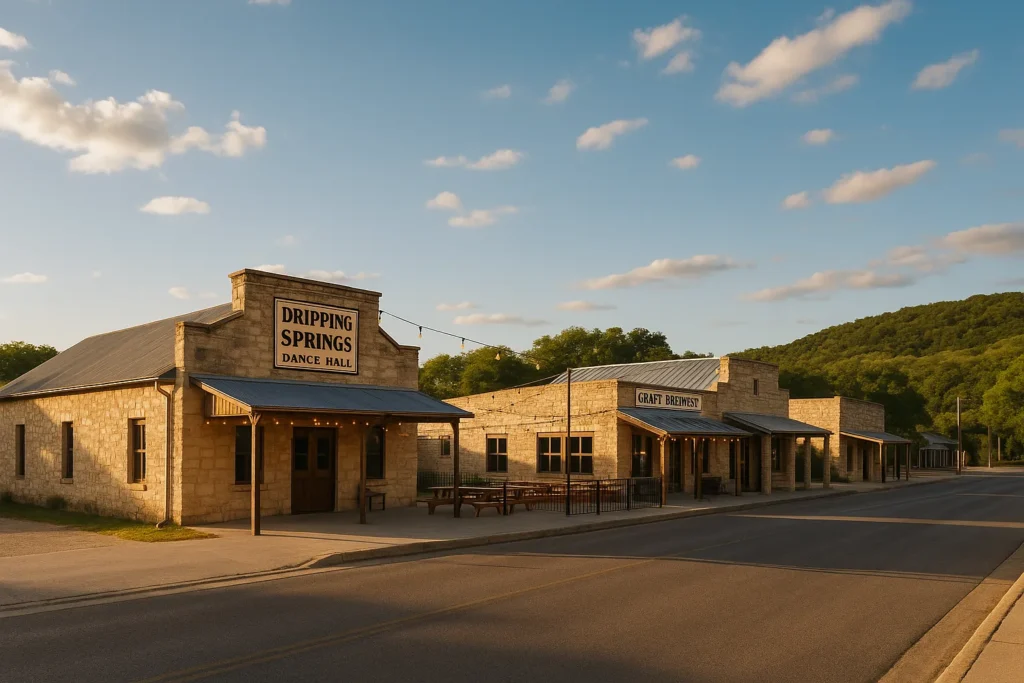
Yes, But It Depends on What You Are Looking For
Is Dripping Springs a good place to live? The short answer is yes, but whether it is the right place for you depends entirely on what you value and what you are willing to trade off.
I have been working this market for years, and the people who thrive in Dripping Springs are not the same people who thrive in downtown Austin or even Westlake. If you are seriously considering moving to Dripping Springs, lets walk through what actually matters so you can make an informed decision.
Who Actually Thrives Here
Dripping Springs works best for specific buyer profiles. Here is who I see doing really well out here.
Families Who Want Space and Great Schools
If you have kids and you want them in a top-tier school district with space to grow, Dripping Springs ISD is one of the best in Texas. The district is ranked #24 out of 876 districts in Texas and received an overall A grade from Niche. Dripping Springs High School has a 96.3% graduation rate.
Families move here for the same reason they move to Lake Travis ISD: quality education, safe neighborhoods, and room to breathe. The difference is that DSISD still has that smaller community feel, at least for now.
Remote Workers Who Do Not Commute Daily
If you work from home or only need to go into an Austin office once or twice a week, Dripping Springs makes sense. The drive to downtown Austin is 30 minutes with no traffic, but during rush hour you need to budget an hour each way. Commute times have doubled over the past few years as traffic on Highway 290 and 71 has worsened.
The Oak Hill Parkway project is underway and should reduce drive times by 10-15 minutes once completed, but right now the “Y” at Oak Hill is a daily bottleneck. If you are driving into Austin every single day, that commute will wear on you.
People Who Want Land
This is one of the biggest differentiators. In Dripping Springs you can still find 1-acre, 3-acre, even 5-acre lots without paying Westlake prices. If you want space for a shop, a pool, a garden, horses, or just privacy from your neighbors, you can get it here.
Equestrian buyers especially love this area. There are multiple neighborhoods in Dripping Springs with acreage lots and horse-friendly zoning. You are not going to find that in the Austin suburbs.
People Escaping Austin Density
A lot of buyers I work with are moving from Central Austin, Round Rock, or Cedar Park because they are tired of traffic, crowded schools, and postage-stamp lots. They want the Hill Country lifestyle: dark skies, open space, wineries, slower pace.
Dripping Springs delivers on that, but with a caveat. The town is growing fast. The population increased by 123.6% since the 2020 census. If you are moving here for “small town charm,” understand that the character of the town will change within the next five years. Over 8,000 new homes have been permitted, and the infrastructure is struggling to keep up.
Wine and Craft Beverage Enthusiasts
Dripping Springs is the self-proclaimed “Wedding Capital of Texas” for a reason: wineries, distilleries, and breweries are everywhere. You have Dripping Springs Distilling, Treaty Oak, Jester King Brewery, and dozens more within a 15-minute drive. If you like spending weekends at tasting rooms and live music venues, this is your spot.
The Salt Lick BBQ is right down the road in Driftwood. Mercer Street Dance Hall hosts live music every weekend. The farmers market on Wednesdays at Founders Park has over 30 vendors. The community vibe here is real, at least for now.
Who Struggles Here
Not everyone is a fit. Here is who I see regretting the move.
People Who Need Urban Amenities or Nightlife
If you are used to walkable neighborhoods, a variety of restaurants, boutique shopping, or nightlife, Dripping Springs is going to feel limiting. There is one HEB, a handful of local restaurants on Mercer Street, and not much retail beyond that.
You are driving 30-45 minutes to get to anything in Austin. If you want to grab dinner at a new restaurant, see a show, or meet friends downtown, it becomes a whole production. This is Hill Country living, not urban living.
Daily Commuters to Downtown Austin
If you are commuting to downtown Austin five days a week, this is not the place. That hour-long drive each way adds up fast. I have had clients try it and move back to Lakeway or West Austin within a year because the commute was unsustainable.
The math is simple: 2 hours a day in the car is 10 hours a week, 40 hours a month. You are giving up an entire work week every month just sitting in traffic. If your office is in Austin and you need to be there regularly, look at Bee Cave or Lakeway instead.
People Who Need Medical Facilities Nearby
Dripping Springs has an Ally Medical Emergency Room on Highway 290, urgent care, and primary care clinics, but there is no full-service hospital. The nearest hospitals are in Austin, Lakeway, and Kyle, each 25-30 minutes away.
If you or a family member has a chronic medical condition that requires frequent specialist visits or hospital access, this is something to think through carefully.
Buyers Who Do Not Understand MUD/PID Taxes
This is a big one. Many newer neighborhoods in Dripping Springs have MUD (Municipal Utility District) or PID (Public Improvement District) taxes on top of regular property taxes. MUD taxes in Dripping Springs can add 0.76% to your property tax rate, and PID assessments can run thousands of dollars per year.
The base property tax rate in Dripping Springs is already around 1.47% (higher than Austin’s 1.23%). Add a MUD or PID on top and you could be looking at an effective rate over 2.2%. On a $650,000 home, that is an extra $4,800-$6,500 per year compared to a similar home without MUD/PID taxes.
MUD taxes do decline over time as bonds are paid off, but that can take 20-30 years. Make sure you understand the full tax picture before you buy. I have seen too many buyers get sticker shock at closing when they realize what the actual monthly payment looks like.
The Growth Question: Is Dripping Springs Still “Small Town”?
Here is the reality. Dripping Springs is changing fast. The population has more than doubled since 2020. The current population is around 11,400 and growing at 12.4% annually.
There are over 8,000 new homes permitted in the area. Master-planned communities are going in left and right. The infrastructure — roads, water, wastewater — is struggling to keep up.
Water is a real issue. The city’s wastewater treatment facility is at full capacity. Dripping Springs Water Supply Corporation voted to stop providing bulk water for new construction because aquifer levels are declining and there is not enough recharge happening.
Stage 4 water restrictions were in place as of May 2025 due to severe drought conditions. This is not a short-term problem. If you are buying here, understand that water availability and cost are going to be ongoing concerns.
The tension in this town right now is between long-time ranching families who have been here for generations and new residents moving from Austin who want the Hill Country lifestyle but also expect modern conveniences. That friction is real, and it plays out in city council meetings, water board decisions, and neighborhood disputes over development.
What It Actually Feels Like to Live Here
Summers Are Hot
Lets be honest, summers in Dripping Springs are hot. We are talking 95-105 degrees from June through September. But you also get dark sky stargazing, creek swimming at Hamilton Pool or Reimers Ranch, and winery season. If you like being outdoors and do not mind the heat, summer here is fine.
Fall and spring are stunning. Bluebonnets in March and April, perfect weather from October through May. Winter is mild, rarely below freezing except for the occasional cold snap.
The Community Feel
This is where Dripping Springs still shines. Founders Day in June, the farmers market, Mercer Street Dance Hall, local breweries and distilleries — there is a real sense of community here that you do not get in a larger suburb.
People know their neighbors. Kids play outside. There are trail systems, parks, and open space. The vibe is closer to a small Texas town than an Austin suburb, at least for now.
What You Give Up
You give up convenience. You give up walkability. You give up variety in dining and shopping. You give up proximity to medical care, entertainment, and urban culture.
What you get in return is space, quiet, great schools, lower home prices per square foot than Westlake or Central Austin, and access to the Hill Country lifestyle.
The Cost of Living Reality
Housing in Dripping Springs is expensive, but not Westlake expensive. The median home price is around $640,000, with price per square foot at $253. Compare that to Westlake where the median is over $2.6 million.
You can still find homes in the $400,000-$500,000 range if you are willing to go smaller or farther out. New construction in master-planned communities typically starts in the $500,000s and goes up from there.
The rest of the cost of living is reasonable. Groceries are 7% below the national average. Healthcare is 11% below the national average. It is really the housing and property taxes (especially with MUD/PID districts) that drive up the overall cost.
For a detailed breakdown of what it actually costs to live in Dripping Springs compared to Bee Cave and Lakeway, check out my full cost of living analysis.
How to Know if Dripping Springs Is Right for You
Here is what I tell every buyer who asks me this question. Come out here on a weekday morning and drive the commute to wherever you need to go for work. Do it during rush hour. See what it actually feels like.
Then come back on a Saturday. Walk around Mercer Street, check out the farmers market, drive through a few neighborhoods, grab lunch at a local spot. Does it feel like home or does it feel like you are giving up too much?
Talk to people who live here. Ask them what they love and what they wish they had known before they moved. You will get honest answers.
If you are a family with kids who want space and great schools, if you work remotely or only commute a couple days a week, if you want land and Hill Country living and do not need urban amenities, Dripping Springs is a great place to live.
If you need to be close to Austin for work or lifestyle, if you value walkability and convenience, if you are not prepared for a rural-ish lifestyle with longer drives for everything, look somewhere else.
So Is Dripping Springs a Good Place to Live?
Yes, if you are the right buyer. The schools are excellent. The community is strong. The lifestyle is appealing. You get more space for your money than you would in Austin or Westlake.
But the growth is real, the infrastructure is struggling, water is a concern, and the small-town character that people move here for is changing fast. If you are buying in Dripping Springs in 2026, buy for what it is today and what it will become in 5-10 years, not for what it was 10 years ago.
If you are seriously considering homes for sale in Dripping Springs or want to understand which neighborhoods in Dripping Springs fit your needs, or if you want the honest inside track on what the Dripping Springs market looks like right now, reach out to Ed Neuhaus. I have been working this market since 2009 and I will give you a straight answer.


