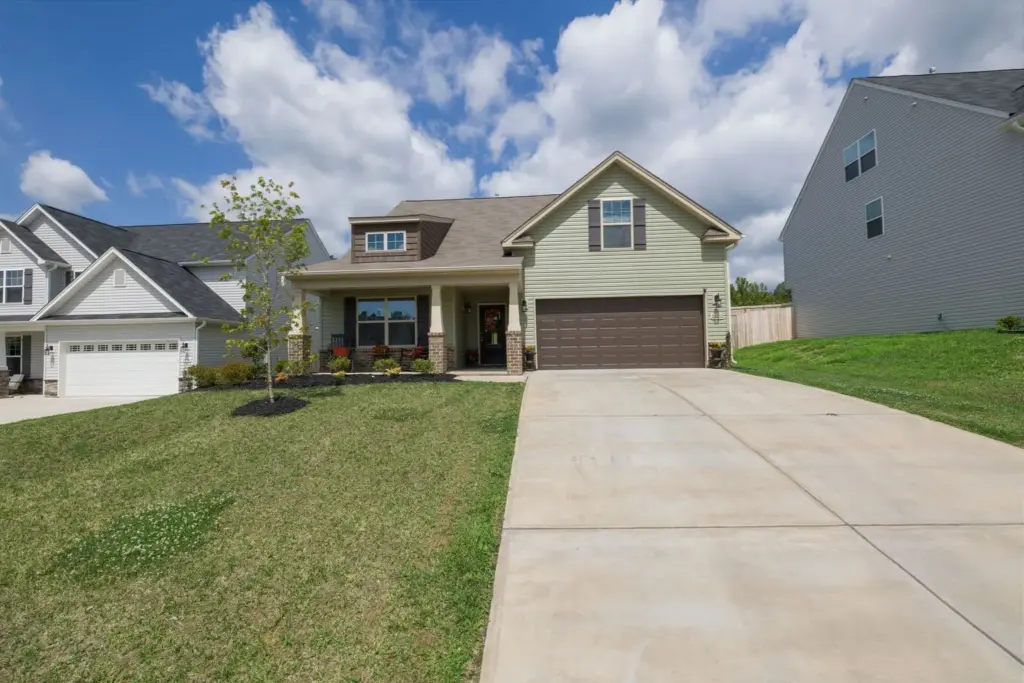
More than 61 million adults in the United States live with a disability, according to the CDC, and roughly 13.7% of them have a mobility-related limitation that affects how they move through their own homes. In Austin, where the population skews younger than the national average but the 65-and-over segment is growing at nearly twice the metro rate, the demand for accessible housing is outpacing the supply by a wide margin. The average cost to make a home wheelchair accessible ranges from $2,000 for basic modifications to $75,000 or more for a comprehensive retrofit, yet the right combination of grants, tax benefits, and smart design choices can bring that number down dramatically.
This guide covers every aspect of accessible housing in the Austin area: what universal design actually means, how much specific modifications cost in 2026, which grants and programs can help pay for them, which neighborhoods offer the flattest terrain and best infrastructure, and how to make accessibility improvements that protect (or increase) your home’s resale value. Whether you are shopping for an accessible home, retrofitting a property you already own, or building new with accessibility built in from the start, the information here is grounded in current costs, Texas-specific programs, and Austin market realities.
What Universal Design Means (and How It Differs from ADA Compliance)
Universal design and ADA compliance are related concepts, but they are not the same thing. The Americans with Disabilities Act sets minimum standards for public accommodations and commercial facilities. It does not apply to single-family homes or most residential properties. The Fair Housing Act covers multifamily housing with four or more units built after March 13, 1991, requiring seven specific accessibility features in those buildings. But neither law mandates that a single-family home be built with accessibility in mind.
Universal design fills that gap. Coined by architect Ronald Mace at North Carolina State University, the term describes a design philosophy that makes spaces usable by the widest possible range of people without requiring specialized adaptations. A universal design home looks and feels like any other well-designed home. The accessibility is invisible.
The seven principles of universal design include equitable use, flexibility, simplicity, perceptible information, tolerance for error, low physical effort, and appropriate size and space for approach. In practical residential terms, this translates to features like zero-step entries, 36-inch-wide doorways, lever-style handles on doors and faucets, curbless showers, and first-floor primary suites. None of these features look “medical.” They look modern.
According to the National Association of Home Builders (NAHB), homes built with universal design principles sell faster and command a 5% to 10% premium over comparable homes without those features. The reason is simple: universal design appeals to everyone. A curbless shower is easier to clean. Wider doorways make moving furniture less stressful. Lever handles work when your hands are full of groceries. The market for these features extends far beyond buyers who use wheelchairs.
The Most Common Accessibility Modifications and What They Cost in 2026
Accessibility modifications range from inexpensive afternoon projects to major renovations. The table below breaks down current costs for the most requested modifications in the Austin area, based on 2026 contractor estimates and national data from Angi, HomeAdvisor, and Fixr.com.
| Modification | Cost Range (2026) | Typical Timeline |
|---|---|---|
| Grab bars (bathroom) | $100 to $500 installed | 1 to 2 hours |
| Lever door handles (per door) | $20 to $75 | 15 minutes |
| Non-slip flooring (per room) | $500 to $2,500 | 1 to 2 days |
| Wheelchair ramp (exterior) | $950 to $3,000 | 1 to 3 days |
| Doorway widening (per opening) | $700 to $2,500 | 1 to 2 days |
| Curbless shower conversion | $1,750 to $8,600 | 3 to 7 days |
| Walk-in bathtub | $1,000 to $17,000 | 1 to 3 days |
| Full ADA bathroom remodel | $9,000 to $40,000 | 2 to 6 weeks |
| Kitchen accessibility remodel | $13,000 to $38,000 | 3 to 8 weeks |
| Stair lift (straight) | $2,000 to $9,000 | 1 day |
| Stair lift (curved) | $9,500 to $25,000 | 1 to 2 days |
| Home elevator | $25,000 to $100,000+ | 2 to 8 weeks |
| Automatic door opener | $300 to $1,500 | Half day |
| Threshold ramps (per door) | $30 to $200 | Minutes |
The national average for a disability accommodation project is $4,378, according to HomeAdvisor’s 2026 data. In Austin, labor costs run 5% to 15% above the national average due to demand, so budget accordingly. The most cost-effective approach is bundling multiple modifications into a single project to reduce contractor mobilization costs.
Making Bathrooms Accessible: The Room That Matters Most
Bathrooms account for more than 80% of fall-related injuries in the home, according to the CDC. They are also the single most important room to address when improving accessibility. A bathroom that works for someone with limited mobility can be the difference between living independently and needing to move.
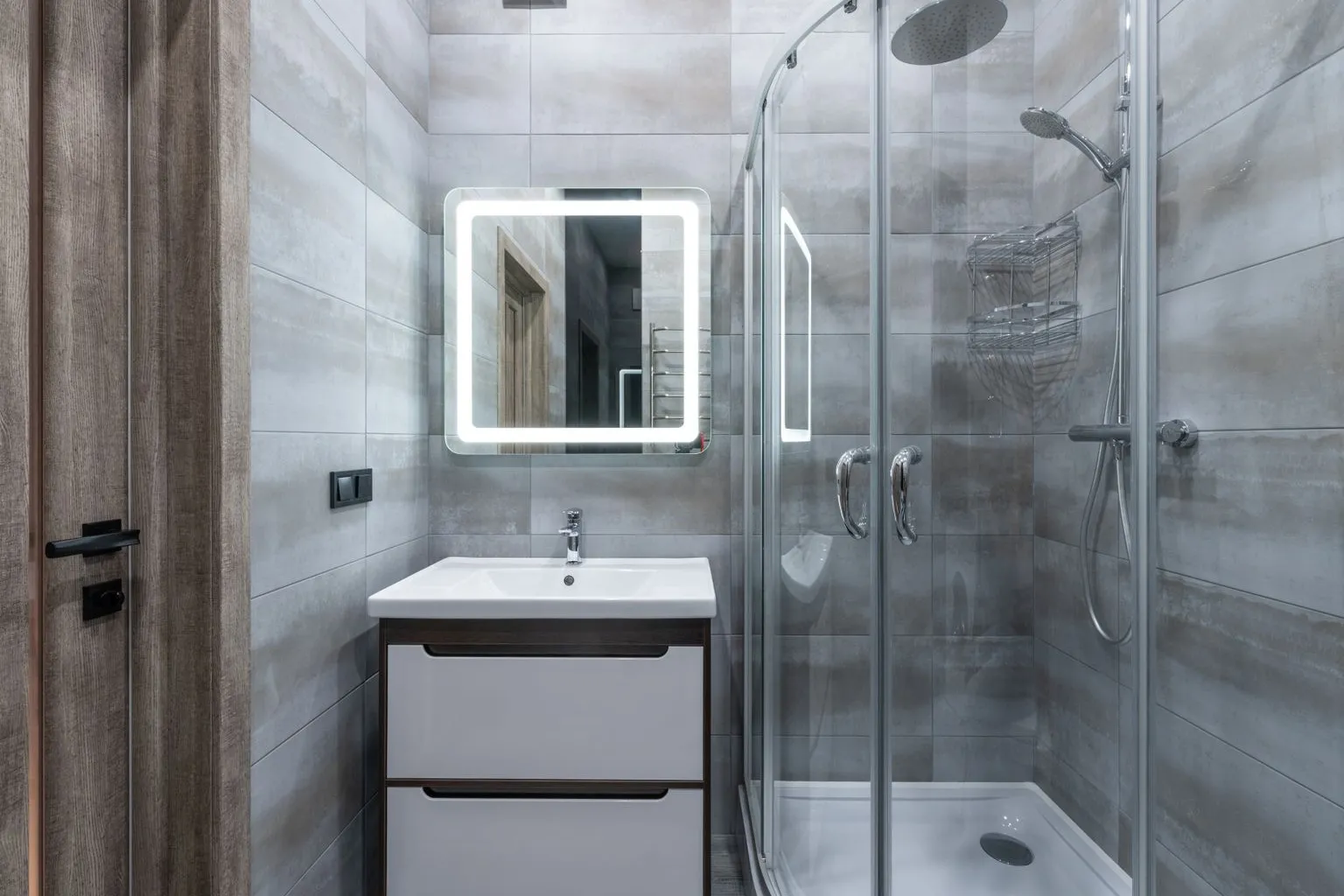
The gold standard for accessible bathrooms is a curbless (also called roll-in or barrier-free) shower. This design eliminates the curb or threshold entirely, creating a level transition from the bathroom floor into the shower area. A properly designed curbless shower uses a linear drain and a slight slope (typically 1/4 inch per foot) to manage water without a physical barrier. In Austin, a curbless shower conversion costs $1,750 to $8,600 depending on whether you are replacing an existing shower or converting a bathtub.
Beyond the shower, accessible bathroom design includes comfort-height toilets (17 to 19 inches versus the standard 15 inches), which require less effort to sit down and stand up. Reinforced walls behind the toilet and in the shower area allow grab bars to be installed securely. The cost to reinforce walls during a remodel is minimal (often under $200 in additional materials), but retrofitting grab bars into walls that were not reinforced can cost $200 to $500 per bar because the contractor needs to open the wall.
Other bathroom modifications worth considering include roll-under sinks with lever faucets, offset toilet controls, handheld showerheads on adjustable slide bars, and anti-scald valves. The total cost for a full ADA-compliant bathroom remodel in Austin ranges from $9,000 to $40,000, with most projects landing between $15,000 and $25,000 for a primary bathroom.
Zero-Step Entries: The Foundation of Accessible Living
A zero-step entry (also called a no-step entry or flush-threshold entry) provides access to a home without stairs, steps, or raised thresholds. This is the single most important universal design feature for a home, and it is also one of the least expensive to include in new construction (often adding less than $100 to the build cost) but one of the most expensive to retrofit.
For existing homes, creating a zero-step entry typically involves one of three approaches: building a permanent concrete ramp ($950 to $3,000), regrading the landscape to bring the ground level up to the door threshold ($1,500 to $5,000), or installing a modular aluminum ramp system ($1,000 to $4,000). ADA guidelines specify a 1:12 slope ratio for ramps, meaning every inch of rise requires 12 inches of ramp length. For a home with a 24-inch entry step, that translates to a 24-foot ramp, which has significant space and aesthetic implications.
In Austin, where many homes are built on slabs, zero-step entries are easier to achieve than in markets where basements or raised foundations are common. Slab-on-grade construction typically places the finished floor 4 to 8 inches above grade, which requires only a short ramp or gentle grade change. Pier-and-beam homes, more common in older Austin neighborhoods like Hyde Park, Travis Heights, and Clarksville, often sit 18 to 30 inches above grade and present a more significant challenge.
The aesthetic concern with ramps is real and affects resale value. A large wooden or metal ramp attached to the front of a home can reduce curb appeal. Modern solutions include landscape-integrated ramps (where the grading makes the ramp nearly invisible), side-entry ramps that are not visible from the street, and porch lifts ($3,000 to $8,000) that provide vertical access without a long ramp run.
Kitchen Accessibility Modifications
Kitchens present unique accessibility challenges because they require reaching, bending, and maneuvering in a confined space. An accessible kitchen remodel in Austin costs $13,000 to $38,000, but selective modifications can achieve significant improvements for much less.
The most impactful kitchen modifications include adjustable-height countertops (at least one section at 30 to 34 inches for seated use), pull-out shelving in lower cabinets ($75 to $250 per cabinet), D-shaped cabinet pulls that can be gripped without fine motor control, and a side-opening oven or wall oven installed at counter height ($1,500 to $5,000 for the oven plus installation). Roll-under sink sections with lever faucets and insulated pipes (to prevent burns for wheelchair users) cost $800 to $2,500.
Touchless or motion-sensor faucets ($150 to $500) eliminate the need to grip and turn handles. Under-cabinet lighting ($200 to $800 for a full kitchen) improves visibility for those with low vision. Contrasting colors on counter edges and cabinet hardware help people with visual impairments distinguish surfaces.
Home Elevators, Stair Lifts, and Vertical Access Solutions
For two-story homes, vertical access is often the most expensive and complex accessibility modification. The three main options in 2026 are stair lifts, through-floor lifts, and full residential elevators.
Straight stair lifts, which attach to the staircase itself, cost $2,000 to $9,000 installed and take about a day to put in. They fold against the wall when not in use and leave the staircase usable for other people in the household. Curved stair lifts, required for L-shaped or spiral staircases, run $9,500 to $25,000 because each unit must be custom-manufactured to match the specific staircase geometry.
Residential elevators are a larger investment at $25,000 to $100,000 or more, but they accommodate wheelchairs, walkers, and even stretchers. Hydraulic models ($25,000 to $50,000) are the most common in retrofit situations. Pneumatic (vacuum) elevators ($30,000 to $60,000) require less structural modification and no pit or machine room. Retrofitting an existing home for an elevator costs two to three times more than including one in new construction, primarily because of the structural work required to create the shaft.
In Austin, where many Hill Country homes are built on slopes with multiple levels, vertical access is a common concern. For homes with only a half-story or split-level transition, a through-floor lift ($15,000 to $30,000) may be a better value than a full elevator. These units travel only one floor and require a smaller footprint than a traditional elevator.
Smart Home Technology for Accessibility
Smart home technology has become one of the most cost-effective ways to improve home accessibility. Voice-controlled systems like Amazon Alexa, Google Home, and Apple HomeKit allow people with limited mobility to control lights, locks, thermostats, blinds, and entertainment systems without reaching for switches or handles.
For a deeper look at the full range of smart home options, see the Complete Guide to Smart Home Technology for Homeowners.
Accessibility-specific smart home applications include automated door openers that respond to voice commands or smartphone controls ($300 to $1,500 per door), smart locks that can be operated remotely so wheelchair users do not need to reach the deadbolt ($150 to $400), and video doorbells with visual alerts for people with hearing impairments ($100 to $300).
Smart lighting systems ($200 to $1,000 for a whole home) eliminate the need to reach wall switches. Motion-activated lights in hallways, bathrooms, and closets prevent falls in dark spaces. Smart thermostats with voice control ($150 to $300) remove the need to walk to a wall-mounted thermostat.
For people with hearing impairments, smart smoke and carbon monoxide detectors ($40 to $80 each) can send alerts to smartphones, flash strobe lights, and vibrate bed shakers. Smart doorbells can trigger flashing lights throughout the home rather than relying on an audible chime.
The total cost to outfit a home with a comprehensive smart accessibility setup ranges from $1,000 to $5,000, making it one of the highest-value modifications available.
How to Pay for Accessibility Modifications: Grants, Programs, and Tax Benefits
The cost of accessibility modifications can be substantial, but multiple federal, state, and local programs exist to help offset expenses. Understanding what is available before starting a project can save thousands of dollars.
VA Specially Adapted Housing (SAH) Grant
The VA’s SAH grant is the most generous accessibility funding program in the country. For fiscal year 2026, eligible veterans can receive up to $126,526 to adapt a home for accessibility needs related to service-connected disabilities. The grant can be used up to six times over a veteran’s lifetime, as long as the total does not exceed the annual maximum.
Qualifying conditions include loss or loss of use of both lower extremities, loss or loss of use of a lower extremity together with residuals of organic disease or injury, blindness in both eyes, certain severe burns, and ALS rated at 100% service-connected. The VA adjusts the maximum amount each October based on a construction cost index.
For veterans who do not qualify for SAH but have service-connected disabilities affecting mobility, the Special Home Adaptation (SHA) grant provides up to $25,350 in FY 2026. This covers modifications like wheelchair ramps, widened doorways, and accessible bathroom fixtures.
Austin’s veteran population is significant, with Camp Mabry in central Austin and Fort Cavazos about 60 miles north. For a comprehensive look at veteran benefits in the Austin area, see the Complete Guide to Austin for Military and Veterans.
Texas Medicaid STAR+PLUS Home Modifications
Texas’s STAR+PLUS Medicaid managed care program provides home modification funding for qualifying residents. The program covers adults age 21 and older with disabilities and adults age 65 and older who require a nursing facility level of care but prefer to remain at home.
STAR+PLUS provides a $7,500 lifetime limit for minor home modifications such as wheelchair ramps, grab bars, and doorway widening, plus $300 per year for ongoing repair and maintenance of previously installed modifications. Covered modifications must be documented in an Individualized Service Plan and pre-approved by the managed care organization.
To qualify, applicants must meet both financial eligibility (income and asset limits) and functional eligibility (nursing facility level of care as determined by an assessment). The application process goes through the Texas Health and Human Services Commission.
Additional Funding Sources
Several other programs can help cover modification costs:
- HUD Older Adults Home Modification Grant Program: Provides up to $5,000 per household for safety modifications for adults 62 and older.
- FHA 203(k) Rehabilitation Loan: Allows buyers to finance the purchase price plus renovation costs in a single mortgage, including accessibility modifications. See the Complete Guide to Getting a Mortgage in Austin for details on loan types.
- USDA Rural Development Loans: Available in parts of the Austin metro area that qualify as rural (Dripping Springs, Wimberley, and some outer suburbs) and can include modification costs.
- Rebuilding Together Austin: This nonprofit provides free home repairs and accessibility modifications for low-income homeowners, primarily seniors and people with disabilities.
- Texas Ramp Project: Builds free wheelchair ramps for people with disabilities who cannot afford them. Volunteer-built, no cost to the homeowner.
- Medical Expense Tax Deduction: Home modifications prescribed by a physician may qualify as medical expenses on your federal tax return if they exceed 7.5% of your adjusted gross income. The modification must be primarily for medical care, not for increasing property value.
Fair Housing Act Accessibility Requirements
The Fair Housing Act (FHA) requires that covered multifamily housing built for first occupancy after March 13, 1991, meet seven specific accessibility requirements. This applies to buildings with four or more dwelling units, including apartments, condominiums, and townhomes.
The seven requirements are:
- An accessible building entrance on an accessible route
- Accessible and usable public and common-use areas
- Usable doors (minimum 32-inch clear width)
- Accessible routes into and through the dwelling unit
- Light switches, electrical outlets, thermostats, and other environmental controls in accessible locations
- Reinforced walls in bathrooms for later installation of grab bars
- Usable kitchens and bathrooms with sufficient clear floor space for wheelchair access
In buildings with an elevator, all units must meet these standards. In buildings without an elevator, only ground-floor units must comply. This is particularly relevant for Austin condo buyers. If you are looking at a building constructed after 1991, the ground-floor units and all units in elevator buildings should already have these baseline features. For more on condo purchasing considerations, see the Complete Guide to Buying a Condo in Austin.
Single-family homes are not covered by the Fair Housing Act’s design requirements. However, Fair Housing law does require that landlords allow tenants with disabilities to make reasonable modifications at the tenant’s expense, and it prohibits discrimination against people with disabilities in the sale or rental of housing.
Visitability: The Movement Changing New Home Design
Visitability is a design standard more modest than full accessibility but more ambitious than the current building code. A visitable home has three core features: at least one zero-step entrance, 32-inch clear passage through all interior doors on the main floor, and at least one bathroom on the main floor that a wheelchair user can enter and close the door.
The concept originated with Concrete Change, a nonprofit founded in Atlanta in 1987. The argument is straightforward: even if a home’s residents do not currently need accessibility features, they should be able to host guests who do. A visitable home costs an estimated $100 to $600 more to build than a conventional home, according to NAHB research, but a retrofit to achieve visitability can cost $5,000 to $15,000 or more.
More than 60 jurisdictions in the United States have adopted some form of visitability ordinance or incentive program. Texas does not have a statewide visitability requirement, and Austin has not adopted a visitability ordinance. However, some Austin-area builders voluntarily incorporate visitable features, and the city’s HOME Initiative, which allows increased density on residential lots, has included discussions about accessibility standards for new ADU construction.
For buyers, the practical takeaway is this: a visitable home is far cheaper to make fully accessible later if the need arises. Reinforced bathroom walls, wider doorways, and a zero-step entry are features to look for even if nobody in the household currently needs them. The Complete Guide to Aging in Place in Austin covers this forward-looking approach in detail.
Which Austin Neighborhoods Work Best for Accessible Living
Austin’s terrain varies dramatically. The western Hill Country areas feature steep grades, winding roads, and hilly lots that can create significant challenges for wheelchair users and people with mobility limitations. The eastern and northern portions of the metro tend to be flatter, with newer development that is more likely to include accessible features.
Ed Neuhaus, broker of Neuhaus Realty Group, notes that buyers prioritizing accessibility should pay close attention to lot topography, not just the home itself. “A perfectly accessible home on a steep lot with no level path to the street or mailbox creates problems that are expensive to solve after closing.”
| Area | Terrain | Median Price | Accessibility Notes |
|---|---|---|---|
| Mueller (East Austin) | Flat | $500,000 to $650,000 | Newer planned community, wide sidewalks, many single-story and visitable designs |
| Round Rock | Mostly flat | $380,000 to $450,000 | Newer subdivisions with slab construction, many single-story options |
| Cedar Park | Mostly flat | $400,000 to $475,000 | Large inventory of ranch-style homes, newer construction with wider doorways |
| Pflugerville | Flat | $350,000 to $425,000 | Most affordable flat-terrain option, many master-planned communities |
| Georgetown | Mostly flat | $350,000 to $400,000 | Sun City 55+ community has many accessible and single-story homes |
| North Austin | Flat to gently rolling | $350,000 to $500,000 | Mix of older and newer homes, good sidewalk infrastructure |
| Lakeway | Hilly | $650,000 to $850,000 | Challenging terrain for mobility; some flat-lot neighborhoods exist |
| Bee Cave | Rolling to hilly | $600,000 to $750,000 | Mixed terrain; newer communities tend to have flatter lots |
| Dripping Springs | Hilly | $500,000 to $600,000 | Hill Country terrain; check lot grade carefully on any property |
| Westlake | Very hilly | $1,500,000+ | Most challenging terrain in metro; custom builds can address with design |
For detailed profiles of these areas, see the Complete Guide to Austin Neighborhoods by Lifestyle and the Complete Guide to Walkable Neighborhoods in Austin.
Georgetown’s Sun City community deserves special mention. This 55-and-older Del Webb community has thousands of single-story homes, many with accessible features built in: zero-step garage entries, wider hallways, reinforced bathroom walls, and first-floor primary suites. It is the largest concentration of age-friendly housing in the Austin metro. For more on retirement communities, see the Complete Guide to Retiring in Austin and the Hill Country.
What to Look for When Buying an Accessible Home
Buying a home that is already accessible (or close to it) saves significant money compared to retrofitting. Here is a checklist of features to evaluate during your home search and inspection:
Exterior and entry:
- At least one zero-step entrance (front, side, or garage)
- Accessible path from the street or driveway to the entrance (paved, level, at least 36 inches wide)
- Flat or gently sloped lot
- Accessible mailbox location
- Wide driveway for wheelchair van loading
- Level garage floor with adequate clearance (8 feet minimum)
Interior layout:
- Primary suite on the main floor
- Full bathroom on the main floor
- 36-inch-wide doorways throughout (32-inch minimum)
- Open floor plan with clear sight lines
- Hallways at least 42 inches wide (48 inches ideal for wheelchair turning)
- No steps between rooms on the same floor
- Adequate turning radius in all rooms (60-inch diameter for wheelchair turnaround)
Kitchen:
- At least one counter section at seated height (30 to 34 inches)
- Pull-out shelving or lazy susans in lower cabinets
- Side-opening or wall-mounted oven
- Lever or touchless faucet
- Roll-under sink section
Bathrooms:
- Curbless shower or roll-in shower with grab bars
- Comfort-height toilet
- Reinforced walls for grab bars
- Roll-under vanity or pedestal sink
- Non-slip flooring
During the home inspection, ask the inspector to pay specific attention to foundation levelness (a home with significant settling may have uneven floor surfaces that create tripping hazards or wheelchair navigation problems), doorway clearances, and the structural capacity of bathroom walls to support grab bars. For more on what inspectors look for, see the Complete Guide to Home Inspections in Austin.
New Construction: Building Accessible from the Start
Building a new home with accessibility features incorporated from the design phase is dramatically cheaper than retrofitting. According to the NAHB, adding universal design features during construction adds 1% to 3% to the total build cost. For a $500,000 custom home, that is $5,000 to $15,000 for features that would cost $50,000 to $100,000 to retrofit later.
Key features to specify during the design phase include wider doorways (36 inches costs the same as 32 inches if specified before framing), blocking in bathroom walls for future grab bars ($50 to $200 in materials), a zero-step entry from the garage (virtually no added cost on a slab foundation), electrical outlets at 18 inches instead of 12 inches and light switches at 42 inches instead of 48 inches (no added cost), and roughing in for a future elevator shaft (approximately $1,500 to $3,000).
Several production builders active in the Austin market offer accessible or universal-design-influenced floor plans. Lennar’s “Home Within a Home” concept includes separate entrances and first-floor suites that work well for accessibility. Perry Homes and Toll Brothers offer casita and guest suite options that can be configured for accessible living. Taylor Morrison’s single-story plans in communities like Bryson and Travisso include many universal design features as standard.
For buyers going fully custom, the design phase is where the most value is captured. Specifying a roll-in shower, wider hallways, lever handles, and a first-floor primary suite during architectural drawings adds minimal cost. Making those same changes after the drywall is up costs thousands. The Complete Guide to Building a Custom Home in Austin covers the full custom build process.
Retrofitting vs. Building New: A Cost Comparison
The decision between retrofitting an existing home and building new depends on the scope of accessibility needed, the current home’s layout, and budget constraints. Here is how the costs compare for a typical three-bedroom home in the Austin area:
| Feature | Retrofit Cost | New Construction Cost | Savings |
|---|---|---|---|
| Zero-step entry | $1,500 to $5,000 | $0 to $100 | 95% to 100% |
| 36-inch doorways (8 doors) | $5,600 to $20,000 | $0 (same cost as 32-inch) | 100% |
| Curbless shower | $3,000 to $8,600 | $500 to $1,500 premium | 70% to 85% |
| Reinforced bathroom walls | $500 to $2,000 | $50 to $200 | 90% |
| Elevator shaft rough-in | $15,000 to $30,000 | $1,500 to $3,000 | 90% |
| Roll-under kitchen sink | $800 to $2,500 | $200 to $500 | 75% to 80% |
| Wider hallways (42 to 48 inches) | $3,000 to $10,000 | $0 to $500 | 95% to 100% |
The pattern is clear: nearly every accessibility feature costs a fraction of the retrofit price when included in the original design. For buyers who know they will need accessibility features, new construction or a major renovation during purchase (financed with an FHA 203(k) loan) is almost always more cost-effective than piecemeal modifications after moving in.
How Accessibility Modifications Affect Home Value
The impact of accessibility modifications on resale value depends heavily on how they are executed. The general rule: modifications that look like thoughtful design add value; modifications that look medical reduce it.
Universal design features that consistently add value include first-floor primary suites (the single most valuable accessibility feature for resale, according to NAR data), curbless showers (perceived as a luxury feature), lever door handles and faucets (modern aesthetic), open floor plans, and wide hallways. These features appeal to the broad market, not just buyers with disabilities.
Features that may reduce value or narrow the buyer pool include large exterior ramps (especially wooden ramps that dominate the front facade), institutional-looking grab bars in non-bathroom locations, ceiling-mounted track lift systems, and highly specialized modifications that cannot easily be removed. The key distinction is permanence and aesthetics. A curbless shower is a permanent improvement that looks upscale. A wooden ramp bolted to the front porch is a temporary-looking modification that signals a specialized need.
Research from Angi and NAHB suggests that “invisible” universal design features can increase resale value by 5% to 10%. On a $450,000 Austin home, that is $22,500 to $45,000 in additional value for features that may have cost $5,000 to $15,000 to include during construction. That is a strong return on investment. The Complete Guide to Home Renovations That Add Value in Austin covers ROI for various improvement types.
HOA Rules and Accessibility Modifications in Texas
Texas law provides important protections for homeowners who need to make accessibility modifications in HOA-governed communities. Under both the Fair Housing Act and Texas Property Code Chapter 209, HOAs cannot prohibit modifications that are necessary for a person with a disability to use and enjoy their home.
However, HOAs can require that modifications comply with the community’s aesthetic standards to the extent feasible. For example, an HOA cannot deny a wheelchair ramp but can require that it be constructed with materials and colors consistent with the neighborhood’s architectural standards. An HOA can require that a ramp be removed when it is no longer needed, but it cannot require removal while a resident with a disability lives in the home.
In practice, the most common HOA disputes around accessibility involve exterior ramp aesthetics, fence modifications for accessible gates, and driveway widening for wheelchair van access. If an HOA denies a modification request, the homeowner can file a Fair Housing complaint with HUD or the Texas Workforce Commission Civil Rights Division. For more on HOA regulations and dispute resolution, see the Complete Guide to HOAs in Austin and the Complete Guide to HOA Disputes and Your Rights in Texas.
ADUs as Accessible Living Solutions
Accessory dwelling units (ADUs) have become an increasingly popular accessible living solution in Austin, particularly for multigenerational households. Under Austin’s HOME Initiative, property owners can build up to two ADUs on a single-family lot, with a maximum size of 1,100 square feet and no additional parking requirement.
Building a new ADU with accessibility features from the ground up costs $150 to $250 per square foot in Austin. A 600-square-foot accessible ADU with a curbless shower, zero-step entry, wide doorways, and open floor plan would cost approximately $90,000 to $150,000. That is often less than the cost of a comprehensive retrofit of a two-story home, and it provides a fully accessible, independent living space.
ADUs work particularly well for aging parents or adult children with disabilities who want independence while remaining close to their support network. The Complete Guide to ADUs and Guest Houses in Austin covers regulations, costs, and the permit process in detail. The Complete Guide to Multigenerational Living in Austin explores the broader design and financial considerations for these arrangements.
Insurance Considerations for Accessible Homes
Accessibility modifications generally do not increase homeowners insurance premiums, but they can affect coverage in several ways. Major structural modifications like home elevators and stair lifts should be reported to your insurance company because they increase the replacement cost of the home. An elevator that costs $50,000 to install needs to be covered in the event of fire, flood, or other loss.
Some modifications may actually reduce insurance costs. Grab bars, non-slip flooring, and smart home safety systems reduce the risk of injury claims. Some insurers offer discounts for homes with monitored security and fire detection systems, which many accessible smart home setups include.
For homeowners who use their property as both a residence and a care setting (such as receiving in-home nursing or therapy services), a standard HO-3 policy may not provide adequate liability coverage. An umbrella policy ($200 to $500 per year for $1 million in coverage) is worth considering. See the Complete Guide to Homeowners Insurance in Austin for more on coverage types and costs.
Property Tax Implications of Accessibility Modifications
Accessibility modifications can affect your property’s assessed value and tax bill. In Texas, the county appraisal district assesses the market value of your property, and improvements that increase that value will increase your taxes. A $50,000 elevator addition, for example, would likely increase your assessed value by a similar amount.
However, Texas offers several property tax exemptions that can offset this increase. The homestead exemption provides a $100,000 reduction in assessed value for school district taxes. Homeowners age 65 and older receive an additional $10,000 exemption and a permanent tax freeze from the school district. Veterans with 100% service-connected disability receive a total property tax exemption on their homestead, with no cap. These exemptions can be particularly valuable for homeowners who are making expensive accessibility modifications.
For full details on exemptions and the protest process, see the Complete Guide to Property Taxes in Austin and the Complete Guide to Homestead Exemption in Texas.
Working with Accessibility Contractors in Austin
Not all general contractors have experience with accessibility modifications. Specialized knowledge is required to properly install curbless showers (getting the drain slope right is critical to preventing flooding), size wheelchair ramps to ADA standards, and ensure that grab bars are anchored into structural members rather than just drywall.
Look for contractors who hold a Certified Aging in Place Specialist (CAPS) designation from NAHB. This certification requires training in accessible design, customer service for older and disabled clients, and business management. Austin has several CAPS-certified contractors and remodelers.
Occupational therapists (OTs) who specialize in home assessments can be invaluable. An OT evaluates the specific mobility and functional needs of the person who will live in the home and creates a prioritized list of modifications. Many insurance plans and VA benefits cover OT home assessments. The cost of a private assessment ranges from $150 to $500, and it can prevent expensive modifications that turn out not to address the actual need.
For buyers searching for accessible homes in the Austin area, working with a specialist like Ed Neuhaus at Neuhaus Realty Group who covers the full metro area can help identify properties with existing modifications or strong retrofit potential that may not be apparent from listing photos alone.
Frequently Asked Questions
Getting Started with Accessible Home Solutions in Austin
Whether you are modifying an existing home, shopping for an accessible property, or building new with universal design, the first step is understanding the specific accessibility needs and matching them to the right solution. An occupational therapist assessment ($150 to $500) can prioritize modifications by impact and cost-effectiveness. A CAPS-certified contractor can provide accurate local pricing. And a real estate agent who understands accessibility can identify properties that match your requirements.
Austin’s housing stock offers options at every price point and accessibility level. The flat eastern and northern suburbs provide the largest inventory of accessible and single-story homes. Georgetown’s Sun City offers a ready-made accessible community for buyers over 55. New construction throughout the metro can incorporate universal design features for a fraction of the retrofit cost. And the combination of VA grants, Medicaid waivers, nonprofit programs, and tax benefits means that many modifications are partially or fully funded for qualifying residents.
For personalized guidance on finding or creating an accessible home in Austin, contact Neuhaus Realty Group to start the conversation.