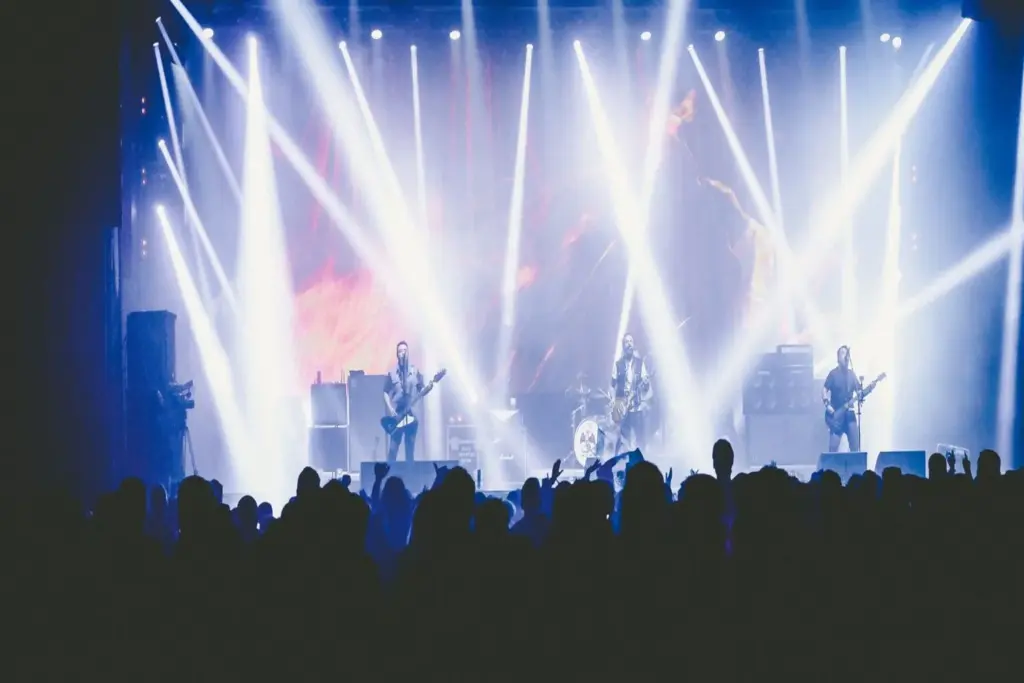
Austin’s creative sector generates $4.35 billion in annual economic activity and supports more than 52,000 jobs across music, film, visual arts, and design. That makes arts and culture not just a lifestyle perk in this city. It is an economic engine on par with Austin’s tech industry. With more than 250 live music venues, three world-class museums, a theater scene anchored by the oldest continuously running professional company in Texas, and two of the largest music festivals on the planet, Austin delivers a cultural density that most cities three times its size cannot match.
According to the Red River Cultural District’s 2026 economic impact report, the six-block stretch of clubs along Red River Street alone generated $2.3 billion in total economic impact over the past five years. The Austin City Limits Music Festival contributed $557.8 million to the local economy in 2026. And the City of Austin, through its Arts, Culture, Music and Entertainment (ACME) department, awarded $24 million in cultural funding in 2026, the largest public investment in the arts the city has ever made.
For residents, prospective buyers, and people considering a move to the Austin area, the arts scene is a significant factor in quality of life and, increasingly, in property values. Neighborhoods with walkable access to live music, galleries, and cultural institutions consistently command price premiums over comparable areas without those amenities. This guide covers every dimension of Austin’s cultural landscape in 2026: where to hear live music, what to see in galleries and museums, which neighborhoods attract creative professionals, and how the city is working to preserve the culture that makes Austin unlike anywhere else in Texas.
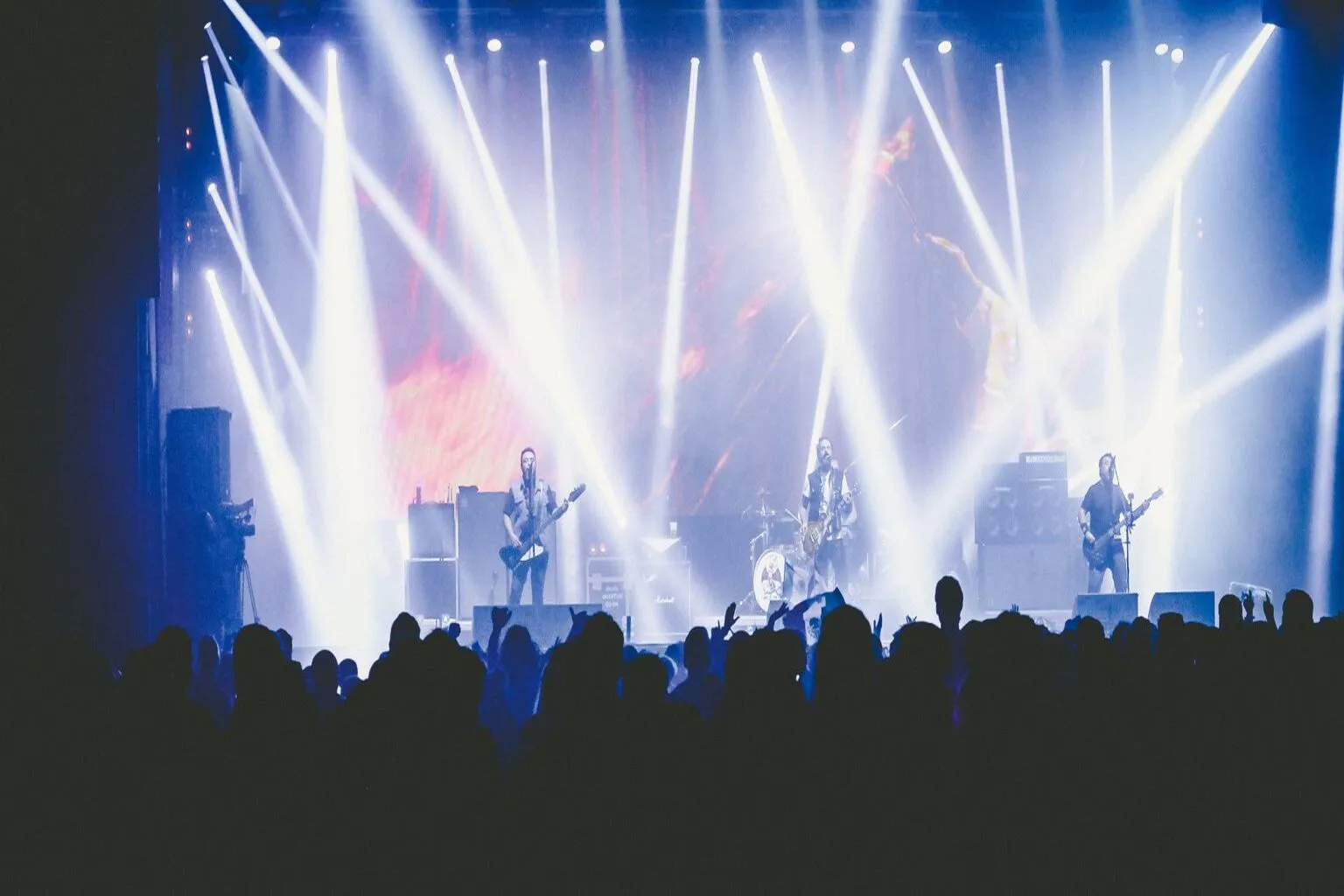
Why Austin Is Still the Live Music Capital of the World in 2026
The “Live Music Capital of the World” is not a marketing slogan someone invented in a committee meeting. The City of Austin officially endorsed the designation, and the numbers back it up. Austin holds more music industry jobs per capita than New York or Los Angeles. The music industry alone contributes $1.6 billion to local GDP annually. And on any given night, you can choose from dozens of live performances spanning country, blues, rock, indie, jazz, Latin, hip-hop, electronic, and everything in between.
What separates Austin from Nashville, New Orleans, or Memphis is the sheer breadth of the scene. Nashville is country. New Orleans is jazz. Austin is everything. A Tuesday night might offer a 70-year-old blues guitarist at the Continental Club, a punk show at Mohawk, an experimental electronic set at The 13th Floor, and a country songwriter’s round at the Broken Spoke. All within a 15-minute drive of each other.
The Austin music ecosystem includes more than 250 live music venues, from intimate 50-seat listening rooms to 14,000-capacity amphitheaters. The city programs live music at restaurants, bars, hotel lobbies, breweries, outdoor stages, and even some grocery stores. H-E-B has hosted performances at its Mueller location. That level of saturation means live music is not something you have to seek out in Austin. It finds you.
The Iconic Venues Every Resident Should Know
Austin’s venue ecosystem ranges from legendary honky-tonks to state-of-the-art concert halls. Here are the spots that define the city’s sound.
| Venue | Est. | Capacity | Genre Focus | Neighborhood |
|---|---|---|---|---|
| Continental Club | 1955 | 200 | Roots, rockabilly, blues | South Congress |
| Saxon Pub | 1990 | 250 | Songwriter, Americana | South Lamar |
| Stubb’s BBQ | 1996 | 2,750 | Rock, hip-hop, indie (outdoor) | Red River |
| Mohawk | 2006 | 900 | Rock, punk, indie | Red River |
| Emo’s Austin | 1992 | 1,700 | Punk, rock, electronic | East Riverside |
| ACL Live at Moody Theater | 2011 | 2,750 | All genres (taping venue for PBS) | Downtown (2nd St) |
| The Broken Spoke | 1964 | 350 | Country, two-step | South Lamar |
| Antone’s Nightclub | 1975 | 450 | Blues, R&B | East 5th St |
| The Parish | 2002 | 350 | Indie, alternative | East 6th St |
| Skylark Lounge | 2016 | 150 | Soul, R&B, funk | East Austin |
Continental Club has been open since 1955, making it one of the oldest live music venues in Austin. Originally a supper club, it transformed into a roots music institution in the 1970s and 1980s. Dale Watson, James McMurtry, and Toni Price have all held long residencies here. With only 200 seats, every show feels like a private concert.
Saxon Pub has hosted more than 22,000 shows since opening in 1990 (Source). The songwriting tradition here runs deep. Bob Schneider, Patty Griffin, and Ray Wylie Hubbard have all played regular gigs. Sunday’s “Songwriters Open Mic” is considered the best writer’s night in town.
ACL Live at the Moody Theater doubles as the taping location for the PBS television series Austin City Limits, the longest-running music series in American TV history. The show has been on the air since 1976 (50 years and counting) and has featured everyone from Willie Nelson to Billie Eilish.
The Broken Spoke is the real thing. Open since 1964, this is the last true honky-tonk in Austin, complete with a dance hall where couples two-step on a worn wooden floor. Willie Nelson, George Strait, and Dolly Parton have all played the Spoke.
Red River Cultural District: Austin’s Music Mile
The Red River Cultural District (RRCD) is a six-block stretch along Red River Street between 6th and 12th streets downtown. It is the densest concentration of live music venues in North America. More than 18 venues line the corridor, including Mohawk, Stubb’s, Cheer Up Charlies, The 13th Floor, Elysium, Valhalla, and Empire Control Room and Garage.
The district’s economic footprint is massive. According to the RRCD’s inaugural economic impact report, the corridor generated $529 million in economic activity in a single year and more than $2.3 billion over five years. That output supported 3,715 full-time equivalent jobs, $174 million in local labor income, and $23 million in local tax revenue. More than 650 musicians perform regularly at RRCD venues.
In April 2026, the RRCD announced its five-year strategic plan called “Soundtrack to the Future.” The plan addresses the mounting pressures of rising rents, redevelopment, and infrastructure challenges. Planned improvements include pedestrian safety upgrades, exterior renovations for venues like The 13th Floor and Elysium, new wayfinding signage, solar-powered lighting, steel planters, and gateway markers at district entrances. The goal: protect the live music ecosystem while making the corridor more welcoming for residents and visitors.
Major Festivals: SXSW, ACL, and the Calendar That Never Stops
South by Southwest (SXSW)
SXSW is the event that put Austin on the global cultural map. What started as a small music showcase in 1987 has grown into the world’s premier convergence of music, film, and interactive media. The 2026 edition drew approximately 309,300 attendees across seven days (March 12 to 18), with programming concentrated around the Red River District and East Austin after the Austin Convention Center began major renovations.
The festival’s economic impact is substantial. The most recent official report (2024) estimated $377.3 million for the local economy. The shortened 2026 format (seven days vs. nine in prior years) resulted in roughly 20% fewer hotel rooms sold, translating to $10.5 million less hotel revenue citywide. But daily hotel demand during the seven-day run was actually up 12% compared to the same window in 2025, suggesting intensity concentrated rather than diminished.
For residents, SXSW means two things: incredible free and unofficial shows across the city, and significant disruption to downtown traffic and parking. Most Austin residents either embrace the chaos or leave town for the week.
Austin City Limits Music Festival
ACL Fest runs two consecutive three-day weekends in October at Zilker Park (October 2 to 4 and 9 to 11 in 2026). The festival accommodates up to 75,000 attendees per day, with total attendance reaching 450,000 across six days. The 2026 headliners include Charli XCX, Rufus Du Sol, Twenty One Pilots, Lorde, The xx, Skrillex, and Kings of Leon.
ACL’s economic contribution tops $557.8 million annually, and the festival has generated more than $4.7 billion since its launch (Source). Eight stages host performances spanning rock, indie, country, folk, electronic, and hip-hop. Beyond music, the festival features a food market, an art market, and a dedicated kids’ area that makes it one of the more accessible major festivals for people with children.
The impact on nearby neighborhoods is real. Homes within walking distance of Zilker Park in Zilker, Barton Hills, and Bouldin Creek see increased short-term rental demand during festival weekends. Residents in these areas should plan for road closures and park access restrictions from late September through mid-October.
Other Festivals Worth Knowing
| Festival | When | Focus | Details |
|---|---|---|---|
| SXSW | March | Music, Film, Interactive | 309,300 attendees (2026), global spotlight |
| ACL Festival | October | Music | 450,000 total attendance, 8 stages at Zilker Park |
| Fantastic Fest | September | Genre Film | Largest genre film festival in the U.S. |
| Austin Film Festival | Oct-Nov | Film + Screenwriting | 33rd annual (2026), Oct 29 to Nov 5 |
| Levitation | October/November | Psychedelic/Experimental Music | Multi-venue format across Austin |
| Old Settler’s Music Festival | April | Americana, Folk, Roots | Hill Country setting outside Austin |
| Blues on the Green | Summer | Free Outdoor Concerts | Zilker Park, sponsored by KUTX |
| Pecan Street Festival | May and September | Arts, Crafts, Music | 6th Street, free admission, 300+ artists |
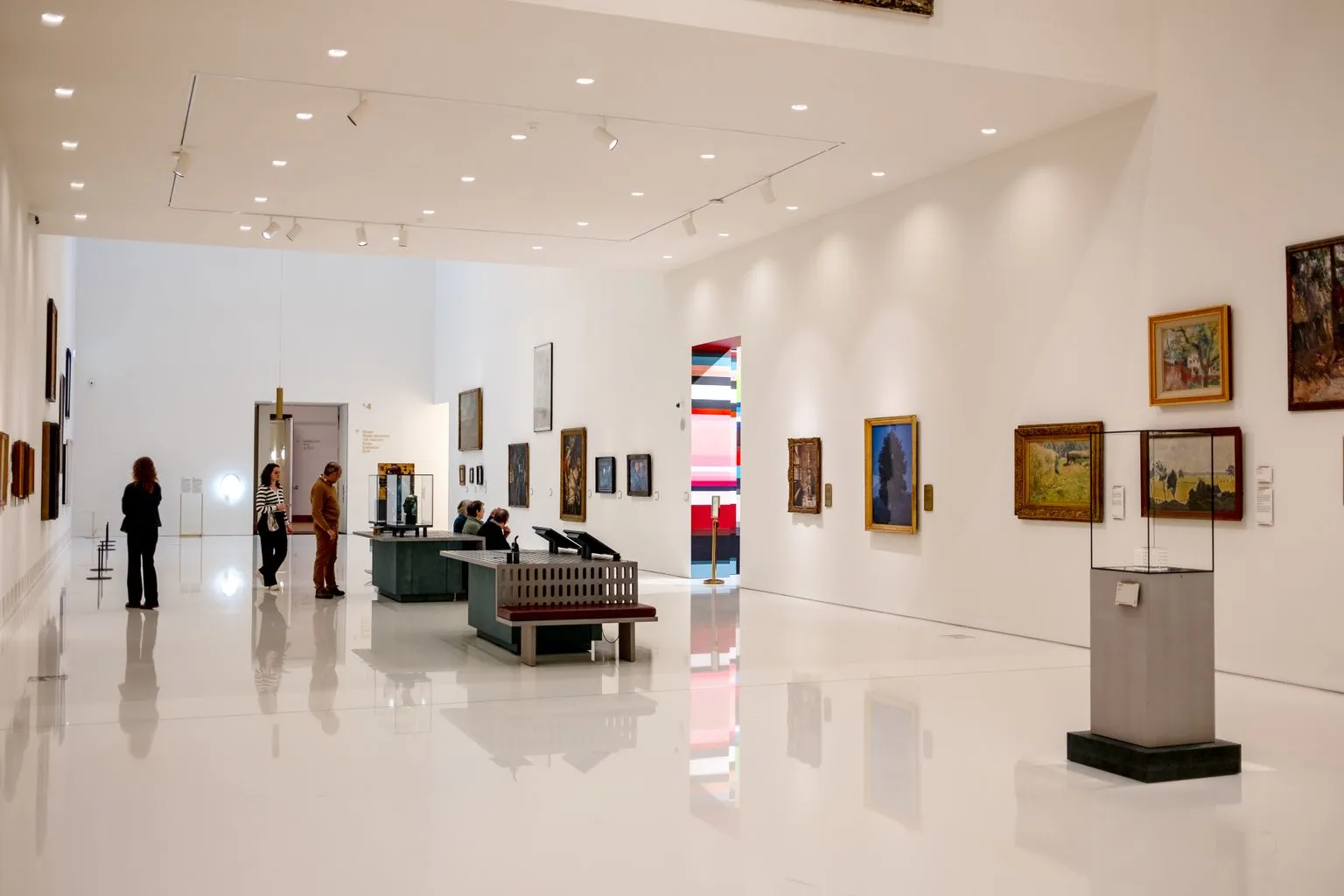
Museums and Visual Arts: Austin’s Growing Gallery Scene
Austin’s museum scene has matured significantly over the past decade. Three anchor institutions form the backbone, and a growing network of independent galleries fills in the edges.
Blanton Museum of Art
The Blanton, located on the University of Texas campus, is the largest university art museum in the country. Its permanent collection spans more than 22,000 works ranging from Renaissance paintings to contemporary Latin American art (Source). The must-see installation is Ellsworth Kelly’s Austin, a freestanding stone chapel with stained glass panels that is widely considered one of the most important works of public art in the United States.
In 2026, the Blanton’s exhibition program includes “Run the Code: Data-Driven Art Decoded” (through August 2), featuring artists like Refik Anadol, Jenny Holzer, and teamLab using algorithms and AI to create sensory experiences. The “Art in Every Corner” WPA exhibition (May 2 through September 27) showcases Depression-era public art. Admission is free on Thursdays.
The Contemporary Austin
The Contemporary operates two locations. The Jones Center on Congress Avenue downtown hosts rotating contemporary exhibitions. Laguna Gloria, a 14-acre sculpture park on the shore of Lake Austin, combines outdoor installations with one of the most beautiful settings in the city. The Italian-style villa at Laguna Gloria dates to 1916 and is listed on the National Register of Historic Places.
Bullock Texas State History Museum
The Bullock covers the full sweep of Texas history across three floors plus an IMAX theater (the largest in the state). Exhibits cover everything from the Alamo to the space program. The IMAX theater is also hosting screenings for the Paramount Theatre’s Summer Classic Film Series during the Paramount’s renovation.
East Austin Galleries
East Austin is the center of the city’s independent gallery scene. Studios and exhibition spaces cluster along East Cesar Chavez, East 5th, and Springdale Road. The East Austin Studio Tour (EAST), held annually in November, is the largest open-studio event in the state. Hundreds of artists open their studios to the public for two weekends, giving residents a direct connection to the people creating the work.
Notable galleries include Canopy, Big Medium (which also produces EAST), Ao5 Gallery, grayDUCK Gallery, and the Mexic-Arte Museum, which focuses on Mexican and Latin American art and culture. The visual arts scene in East Austin is closely tied to the neighborhood’s identity and has been a driver of the area’s transformation from industrial to residential.
Theater and Performing Arts in Austin
Austin’s theater scene does not get the attention that live music does, but it is substantial and growing.
Zach Theatre is the longest continuously running professional theater company in Texas, with roots going back to 1933. The main stage on South Lamar seats 420 in a thrust configuration that puts audiences within feet of the performers. The 2026-2027 season includes Liberation by Bess Wohl, which won the 2026 Pulitzer Prize for Drama and five Tony Awards. Other productions include The Color Purple, The Lion, the Witch and the Wardrobe, and A Charlie Brown Christmas. Season subscriptions start at $229.
The Long Center for the Performing Arts sits on the south shore of Lady Bird Lake and is home to Austin Symphony Orchestra, Ballet Austin, and Austin Opera. The main hall (the Dell Hall) seats 2,442. The intimate Rollins Theatre seats 210 for smaller productions. The venue also hosts touring Broadway shows through the Broadway in Austin series.
Paramount Theatre is a 1915 landmark on Congress Avenue that has hosted performances for more than a century. In 2026, the Paramount is undergoing a major revitalization project that will preserve the historic main theater while reimagining the adjacent State Theatre. The 52nd annual Summer Classic Film Series continues through August, with screenings moving to the State Theatre and the Bullock IMAX during renovation. Ed Neuhaus, broker of Neuhaus Realty Group, notes that properties within walking distance of Congress Avenue’s cultural corridor, including the Paramount, consistently attract buyers who value urban walkability and cultural access.
The smaller theater scene includes Ground Floor Theatre (East Austin, focused on new and inclusive work), Hyde Park Theatre (intimate space for new plays and improv), Vortex Theatre (avant-garde and immersive), and Austin Playhouse. Comedy is well represented at Esther’s Follies on 6th Street (political satire), ColdTowne Theater (improv), and The Creek and the Cave (stand-up, relocated from New York).
Film: Alamo Drafthouse, Fantastic Fest, and Austin’s Screen Culture
Austin has a film culture that punches well above its weight, thanks largely to Alamo Drafthouse Cinema.
Founded in Austin in 1997, Alamo Drafthouse pioneered the dinner-and-a-movie theater concept with a strict no-talking, no-texting policy and a curated approach to programming. The South Lamar flagship reopened in 2025 after an 18-month renovation, featuring three new theaters and a grand lobby showcasing local murals and art. The connected Highball lounge adds bowling and cocktails. Other Austin locations include Mueller and Lakeline.
Alamo Drafthouse also produces Fantastic Fest, the largest genre film festival in the United States. Held annually in September, Fantastic Fest specializes in horror, sci-fi, fantasy, and action films, attracting filmmakers and fans from around the world.
The Austin Film Festival, now in its 33rd year, runs October 29 to November 5, 2026. AFF is recognized as one of the top film festivals in the country, with a particular emphasis on screenwriting and storytelling. The accompanying conference brings screenwriters, producers, and industry professionals together for panels and workshops.
Austin’s film production infrastructure is significant. The Texas Film Commission’s incentive program has attracted major productions, and Austin Studios (the former Robert Mueller Municipal Airport) provides 20 acres of production space. The city has served as a filming location for major releases and series, building a community of production professionals who live here year-round.
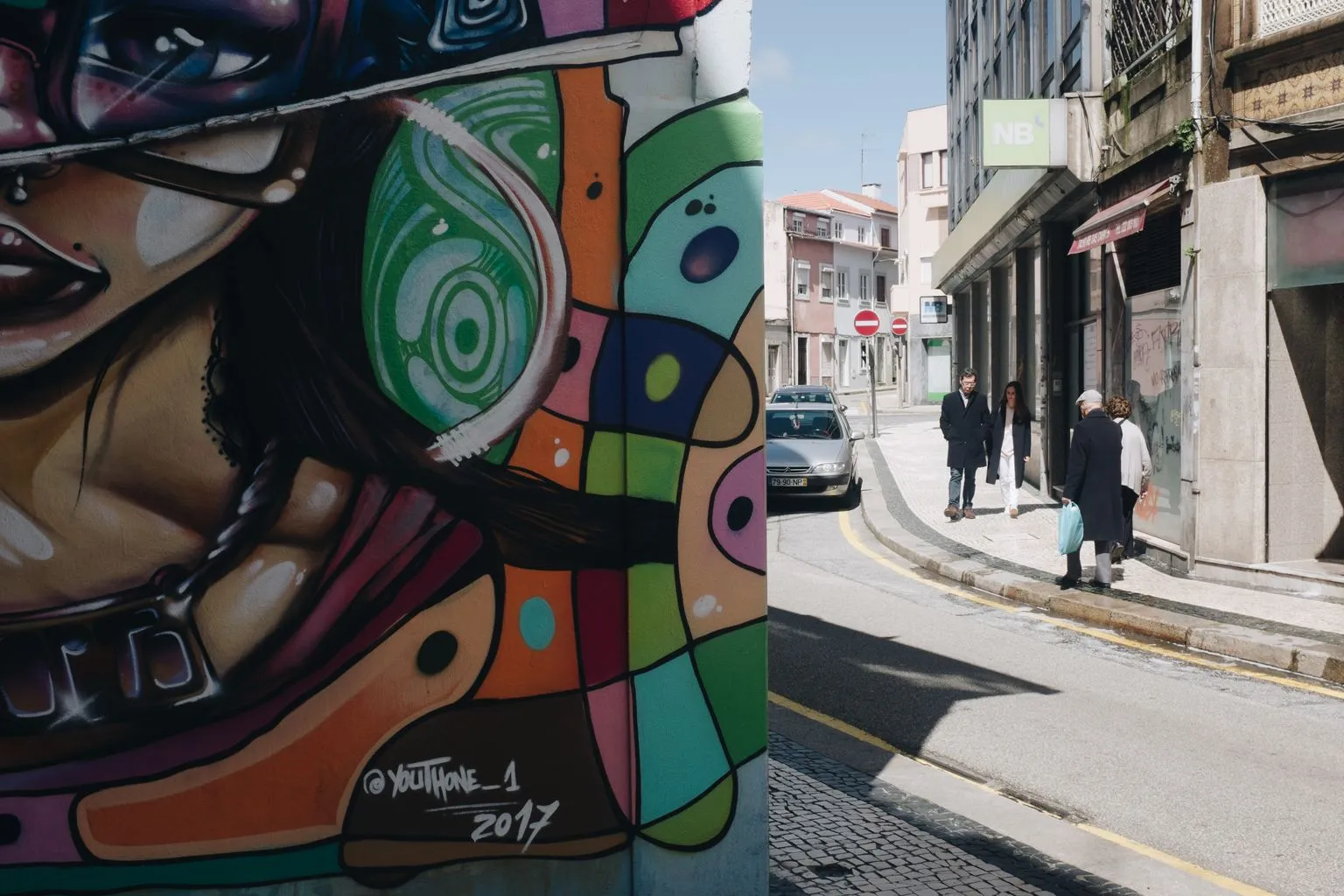
Street Art and Public Art
Austin has one of the most vibrant street art scenes in the Southwest. Murals cover building walls across the city, with concentrations along South Congress, East Austin, the Drag (Guadalupe near UT), and the downtown warehouse district.
The most photographed mural in Austin is “Greetings from Austin,” a large-scale postcard-style mural at the corner of 1st and Annie Streets in South Austin. The “I love you so much” mural on the south wall of Jo’s Coffee on South Congress has become another city icon. Other notable works include the “You’re My Butter Half” mural on East MLK and the “Hi, How Are You” frog by Daniel Johnston at 21st and Guadalupe, which has been preserved as a cultural landmark.
The annual ILLfest is the largest collection of murals and street art in Texas, bringing together artists for live painting and installations. EAST (East Austin Studio Tour) in November gives residents access to hundreds of working artist studios. And the annual Pecan Street Festival on 6th Street draws more than 300 visual artists for a free outdoor arts market.
Public art is increasingly integrated into Austin’s development landscape. The city’s Art in Public Places (AIPP) program allocates 2% of eligible capital improvement project budgets to public art. This has produced installations at the airport, along hike-and-bike trails, and in public parks. Developers of large projects often commission murals and sculpture to differentiate their properties and connect to Austin’s creative identity.
Austin’s Creative Economy: Jobs, Funding, and the Numbers
Austin’s creative sector is not a niche. It is a major employment category.
| Metric | 2026 Data |
|---|---|
| Total creative sector economic activity | $4.35 billion annually |
| Creative sector employment | 52,000+ direct jobs |
| Music industry contribution to GDP | $1.6 billion |
| Average musician income (music activities) | $35,000/year |
| Self-employed/freelance creative workers | 33% |
| City cultural funding (2026) | $24 million (ACME department) |
| Austin Live Music Fund (2026) | $7.14 million to 399 grantees |
| ACL Festival economic impact | $557.8 million (2026) |
| SXSW economic impact | $377.3 million (2024 report) |
| Red River District 5-year impact | $2.3 billion |
The creative economy spans far beyond musicians playing in clubs. It includes film production, gaming (Austin is home to major studios), digital media, graphic design, architecture, photography, and publishing. The creative industries attract talent that feeds Austin’s tech sector, and the tech sector provides disposable income that supports the creative economy. The two industries are mutually reinforcing in a way that is somewhat unique to Austin.
For musicians specifically, the economics remain challenging. The average musician in Austin earns $35,000 per year from music-related activities. One-third of creative workers are freelance or self-employed. The Austin Live Music Fund addresses this in part, distributing $7.14 million in 2026 to venues (up to $70,000 per grant), musicians (up to $20,000), and independent promoters. That cycle drew 1,606 full applications requesting more than $67 million, a demand-to-supply ratio that underscores how tight margins remain for working artists.
City Support: The ACME Department and Music Preservation
The City of Austin has invested more in arts and culture than any city of comparable size in Texas. The Austin Arts, Culture, Music and Entertainment (ACME) department oversees cultural policy, venue support, and funding programs. In 2026, ACME distributed $24 million in cultural funding awards, the largest public investment in arts the city has ever made. The funding goes to individual artists, cultural organizations, heritage preservation projects, and live music venues.
Funding comes primarily from Hotel Occupancy Tax (HOT) revenue, which state law authorizes for tourism-related activities including arts, cultural heritage, and music. This means visitors staying in Austin hotels are directly subsidizing the cultural infrastructure that makes the city attractive, a virtuous cycle that benefits residents and tourists alike.
The city also maintains the Music Commission, which advises the city council on music industry policy, the agent-of-change ordinance (which requires new developments near existing venues to incorporate sound mitigation), and the live music venue qualification criteria. To qualify for the Austin Live Music Fund, a venue must program live music at least five nights per week and meet at least five of eight operational criteria, including having a PA system, lighting rig, mixing desk, and defined performance space.
Music Venue Preservation: Protecting What Makes Austin Special
The tension between Austin’s growth and its cultural identity is real. Rising property values, redevelopment pressure, and increasing operating costs have squeezed live music venues for more than a decade. Some iconic spaces have closed. Others have relocated. The ones that remain face thin margins and constant pressure.
The Red River Cultural District’s “Soundtrack to the Future” plan, announced in April 2026, is the most comprehensive preservation strategy the city has produced. It addresses both the visible (pedestrian safety, curb appeal, signage) and the structural (insurance costs, permitting, land use protections). The plan recognizes that preserving venues requires more than nostalgia; it requires treating them as critical infrastructure the same way the city treats parks, libraries, and roads.
The agent-of-change principle, which Austin adopted in its land development code, is one of the strongest venue protections in the country. Under this principle, when a new residential development is built near an existing music venue, the developer (not the venue) bears the cost of soundproofing. This prevents the common pattern in cities like Nashville and Portland, where new condo residents file noise complaints that force longtime venues out of business.
Residents who value Austin’s music culture can support it directly by attending shows at independent venues, buying music from local artists, and staying informed about development proposals that could affect cultural spaces. The Health Alliance for Austin Musicians (HAAM) provides healthcare services to working musicians, and Austin’s musician community depends heavily on community support to sustain a career here.
Best Neighborhoods for Creatives in Austin (2026)
Where you live shapes your cultural access. These neighborhoods are the hubs for artists, musicians, and creative professionals.
East Austin (East Cesar Chavez, Holly, Govalle). The epicenter of Austin’s visual arts scene. Studios, galleries, and creative businesses cluster along Springdale Road and East Cesar Chavez. Median home prices range from $450,000 to $650,000 depending on the sub-neighborhood. The East Austin Studio Tour brings thousands of visitors each November. The trade-off: gentrification has pushed some of the artists who built the scene to more affordable areas.
South Congress (SoCo) and Bouldin Creek. South Congress became a mecca for artists and musicians in the 1970s and has evolved into one of Austin’s most iconic cultural corridors. The Continental Club, live music at C-Boy’s Heart and Soul, independent boutiques, and a walkable strip define the area. Bouldin Creek, just west, is eclectic, artsy, and popular with creatives. Median home prices: $700,000 to $1.1 million. For buyers exploring walkable neighborhoods in Austin, SoCo ranks among the top options (see our Complete Guide to Walkable Neighborhoods).
North Loop and Hyde Park. A quieter creative corridor north of UT. Vintage shops, the Parlor record store, Epoch Coffee, and a handful of small venues (Sahara Lounge, Hole in the Wall) give the area a low-key bohemian feel. Median home prices: $550,000 to $750,000. Close to UT campus and the Drag’s street art.
Mueller. Austin’s master-planned community on the former airport site offers a different kind of creative life: family-oriented, walkable, with the Thinkery children’s museum, a farmers market, and an Alamo Drafthouse. Median prices: $475,000 to $650,000. Good for creative professionals who want a more structured neighborhood with community amenities. Ed Neuhaus of Neuhaus Realty Group frequently works with buyers relocating to Austin specifically for the cultural scene, noting that Mueller appeals to creative professionals who want both community infrastructure and easy access to downtown venues.
Red River / Downtown. Living in the Red River corridor or along East 6th Street puts you within walking distance of a dozen venues. Condos and apartments in this area range from $300,000 to $800,000+. Noise is part of the deal. For condo buyers, see the Complete Guide to Buying a Condo in Austin.
South Lamar / Zilker. Home to Saxon Pub, Zach Theatre, and the Broken Spoke. Zilker Park and the Barton Creek Greenbelt provide outdoor recreation while South Lamar’s restaurants and bars offer nightlife. Median prices: $650,000 to $1 million. This is where many working musicians live because it balances access to venues with somewhat more affordable housing than SoCo or downtown.
How Arts and Culture Affect Austin Home Values
Cultural amenities are not just lifestyle perks. They have measurable effects on property values.
Neighborhoods with walkable access to live music venues, galleries, theaters, and cultural events consistently command premium prices. Research from the American Trails study found that every additional point on the Walk Score translates to as much as $3,000 in home value (Source). Cultural amenities are a key driver of walkability scores because they generate foot traffic, support local businesses, and create the sense of neighborhood identity that buyers pay for.
In Austin specifically, neighborhoods adjacent to cultural districts have seen sustained demand even as the broader market softened. East Austin’s art scene helped drive a transformation from industrial to residential over two decades, and current values reflect that cultural capital. The South Congress corridor’s music and retail scene supports home prices that exceed nearby neighborhoods without comparable cultural infrastructure by 15% to 25%.
For investors, proximity to cultural venues can support both long-term appreciation and rental demand. Renters (particularly young professionals and tech workers) consistently cite arts and entertainment access as a top-three factor in neighborhood selection, according to the National Association of Realtors. For more on Austin’s best neighborhoods by lifestyle, see our Complete Guide to Austin Neighborhoods by Lifestyle.
Activities for All Ages
Austin’s arts scene is not just for adults with late-night stamina. The city offers extensive cultural programming for younger residents.
- Thinkery (Mueller): Austin’s children’s museum, with hands-on STEAM exhibits for ages 0 to 11. Membership is popular with local residents.
- ACL Festival Kids’ Zone: Dedicated area with activities, crafts, and stage performances for children. Makes the festival accessible to people with young kids.
- Long Center: Ballet Austin’s annual Nutcracker and symphony concerts introduce performing arts to younger audiences.
- Zilker Hillside Theater: Free outdoor performances in summer, including Zilker Theatre Productions (musicals) that have run since 1959.
- Pecan Street Festival: Free outdoor art market on 6th Street twice a year with live music, crafts, and food.
- East Austin Studio Tour: Many studios offer hands-on activities for kids during the November open studios event.
- Austin Public Library: The Central Library on Cesar Chavez hosts regular art exhibitions, author events, and music performances in its rooftop garden.
- Bullock IMAX: Educational films on a six-story screen.
For more on activities for people with children, see our Complete Guide to Outdoor Recreation in Austin and the Austin Food and Restaurant Guide for dining options that welcome younger guests.
Austin’s Music and Arts Event Calendar (2026)
| Month | Major Events |
|---|---|
| January | Free Week (dozens of free shows citywide), MLK Day celebrations |
| February | Carnival Brasileiro, gallery openings |
| March | SXSW (Music, Film, Interactive), Rodeo Austin |
| April | Old Settler’s Music Festival, Art City Austin, Pecan Street Festival |
| May | Pecan Street Festival (spring edition), museum exhibitions |
| June | Blues on the Green (Zilker), Juneteenth celebrations, Summer Classic Film Series |
| July | Austin Symphony July 4th Concert, Blues on the Green |
| August | Bat Fest (Congress Avenue Bridge), Summer Classic Film Series |
| September | Fantastic Fest, Red River Cultural District events |
| October | ACL Festival (two weekends), Austin Film Festival, Levitation, Halloween events |
| November | East Austin Studio Tour (EAST), community art events |
| December | Trail of Lights (Zilker), Armadillo Christmas Bazaar, Blue Genie Art Bazaar |
The December cultural season is particularly strong. The Armadillo Christmas Bazaar at the Palmer Events Center features live music and handmade gifts from local artisans, continuing a tradition that dates to the Armadillo World Headquarters era of the 1970s. The Blue Genie Art Bazaar on Airport Boulevard showcases work from more than 200 local artists. Both events have become essential holiday traditions for Austin residents. And the Trail of Lights at Zilker Park draws hundreds of thousands of visitors each year with light displays, food, and live performances.
Frequently Asked Questions
Living the Creative Life in Austin
Austin’s identity as a creative city is not an accident. It is the result of decades of investment by artists, venue owners, city officials, and residents who chose to prioritize culture alongside growth. The $4.35 billion creative economy, the 250+ venues, the world-class festivals, and the city’s $24 million cultural funding commitment all point to a community that takes its arts seriously.
For people considering a move to Austin, the cultural landscape is a genuine differentiator. Few cities in the Sun Belt offer this combination of live music depth, visual arts access, film culture, and performing arts breadth. And for current residents, staying connected to the scene is as simple as walking into any of a dozen venues on any night of the week.
The cultural infrastructure also has practical implications for real estate. Neighborhoods with strong cultural identities hold value, attract investment, and build the kind of community that makes people want to stay long-term. Whether you are drawn to the honky-tonk heritage of the Broken Spoke, the contemporary art at Laguna Gloria, or the global convergence of SXSW, Austin’s creative scene is one of the strongest arguments for choosing this city.
Ready to explore neighborhoods where arts and culture are part of daily life? Contact Neuhaus Realty Group for personalized guidance on finding a home in Austin’s most vibrant cultural corridors.