Austin Holds Seven Michelin Stars, 16 Bib Gourmands, and the Title of America’s Best Coffee City
Austin’s restaurant count topped 5,000 in 2026, giving the metro one of the highest restaurant densities in the country at 4.5 per 1,000 residents. Seven restaurants carry Michelin stars, three hold Green Stars for sustainability, and 16 earned Bib Gourmand recognition for exceptional value. Food & Wine named Austin the number one coffee city in the United States for 2026, beating Seattle, New York, and San Juan. This is not a city riding one culinary trick. Austin’s food scene spans Michelin-starred barbecue joints, $1.75 breakfast tacos, a 200-winery Hill Country wine region, and one of the nation’s densest food truck networks.
The Texas Restaurant Association reports that Austin’s culinary sector contributed approximately $9.6 billion to the state economy in 2023, with the metro seeing a 20 percent uptick in restaurant openings that year compared to the national average of 10 percent. Foodservice is the largest private-sector employer in Texas, putting 1.4 million Texans to work, and Austin punches well above its weight.
For anyone considering a move to Central Texas, the food scene is one of the strongest draws. According to Ed Neuhaus, broker of Neuhaus Realty Group, “People relocating from the coasts consistently tell us the restaurant scene is better than they expected. It is one of the top three reasons buyers choose Austin over other Sun Belt metros.”
What follows is a neighborhood-by-neighborhood, category-by-category breakdown of everything Austin puts on the table.
Barbecue: The Foundation of Austin’s Food Identity
Central Texas barbecue is built on a simple premise: post oak smoke, salt-and-pepper rub, and time. Austin is the epicenter of this tradition, and three of its seven Michelin-starred restaurants are barbecue joints.
The Icons
Franklin Barbecue at 900 East 11th Street is the restaurant that put Austin barbecue on the national map. Aaron Franklin founded it in 2009, won the James Beard Award for Best Chef: Southwest in 2015, and still sells out of brisket every single day. Southern Living has named it the number one BBQ restaurant in Texas for three consecutive years. The line starts forming before dawn. The brisket, pulled pork, and ribs justify every minute of the wait.
La Barbecue on East Cesar Chavez comes from LeAnn Mueller, daughter of the legendary Louie Mueller Barbecue family in Taylor. The beef ribs are the most spectacular single BBQ cut available in Austin, and the brisket genuinely rivals Franklin on the right day. Lines are shorter. La Barbecue earned a Michelin star in the inaugural Texas guide.
InterStellar BBQ in North Austin and LeRoy and Lewis BBQ (a trailer on South First) both hold Michelin stars. InterStellar runs a traditional Central Texas program. LeRoy and Lewis pushes boundaries with rotating specials that borrow from global cuisines while keeping the smoke at the center.
The Deep Bench
| Restaurant | Location | Known For | Price Range |
|---|---|---|---|
| Terry Black’s Barbecue | Barton Springs Rd | Beef rib, sausage, long hours | $$ |
| Micklethwait Craft Meats | East Side | Handmade sausage, daily specials | $$ |
| Stiles Switch BBQ & Brew | North Loop | Brisket, craft beer on tap | $$ |
| Valentina’s Tex Mex BBQ | South Austin / Buda | BBQ + Tex-Mex breakfast tacos | $$ |
| Salt Lick BBQ | Driftwood | BYOB, open pit, Hill Country setting | $$ |
| Kerlin BBQ | East Cesar Chavez | Brisket, pork belly, kolaches | $$ |
| Parish Barbecue | South Austin | Cajun-influenced, Bib Gourmand 2025 | $$ |
The Salt Lick in Driftwood deserves special mention for the setting alone. Located 25 minutes southwest of downtown, it sits on a Hill Country ranch with open-pit cooking, a BYOB policy (pick up beer at the convenience store next door), and a vineyard on the same property. It is not the most refined barbecue in Austin, but it is arguably the most memorable experience.
BBQ Tips for Newcomers
The etiquette is simple but matters. Lines are part of the culture at top spots; bring a chair, a book, or a cooler. Most serious barbecue restaurants sell by the pound, not the plate. Brisket is ordered lean (less fat) or moist (more marbling). Sausage, ribs, turkey, and pulled pork round out most menus. Sides are secondary to the meat, and white bread and pickles come standard.
Timing is everything. The best barbecue restaurants open at 11 a.m. and serve until they sell out, which can be as early as 1 p.m. at Franklin. Weekend lines at the top three spots can stretch to 90 minutes or more. Weekday visits between 11 a.m. and noon are significantly more manageable.
If you want outstanding barbecue without the wait, Stiles Switch, Micklethwait, and Valentina’s all deliver at a high level with lines measured in minutes, not hours.
Breakfast Tacos: Austin’s True Love Language
The breakfast taco is to Austin what the bagel is to New York or the burrito is to San Francisco. It is not a trend. It is how this city starts the day, and it has been that way for generations.
The Institutions
Juan in a Million has been serving East Austin since 1980. The Don Juan El Taco Grande, a massive combination of potato, egg, bacon, and cheese, costs $6.25 and feeds like a full breakfast. This is the restaurant that former presidents and visiting food critics visit when they want the authentic Austin taco experience.
Joe’s Bakery & Coffee Shop has operated since 1962 under the Avila family. The James Beard Foundation recognized it with an America’s Classics award in 2023, and the Michelin Guide added it to the Recommended list. The migas plate and the carne guisada taco are the orders.
Cisco’s Restaurant Bakery & Bar opened in 1950 and earned historic landmark status in 2019. Politicians, musicians, and university students have crowded its tables for over seven decades. The migas are the move.
The New Guard and the Budget Picks
Veracruz All Natural brought a lighter, more refined approach to the breakfast taco. Their migas taco (fluffy eggs, tortilla chips, Monterey jack, cilantro, tomato, onion, and avocado on a fresh flour tortilla) appears on virtually every “best of” list. Multiple locations across the city.
For the budget-conscious: Taco-Mex on Manor Road charges $1.75 per taco. Rosita’s Al Pastor matches that price. El Primo on South First sells for $2.25, cash only. All three deliver honest, excellent tacos at prices that feel like a time warp.
Tex-Mex That Goes Beyond the Basics
Austin’s Tex-Mex scene ranges from no-frills neighborhood joints to upscale reinterpretations that borrow from interior Mexican, coastal, and contemporary techniques.
Matt’s El Rancho on South Lamar has been the gold standard since 1952. The Bob Armstrong dip (queso topped with guacamole, ground beef, and sour cream) is their most famous creation, and the enchiladas are the reason regulars come back weekly.
Fonda San Miguel is a different experience entirely. Interior Mexican cuisine served in a hacienda-style dining room filled with original artwork. The Sunday brunch buffet is one of the best meals in Austin at any price point.
La Condesa downtown brings a modern, Mexico City-inspired approach to Mexican cuisine, with cocktails that rival the food. It carries a Michelin Recommended designation.
Discada on East 6th also holds a Michelin Recommended nod. Northern Mexican grilling meets Austin creativity.
Nixta Taqueria earned a Michelin Green Star for sustainability in 2025 and serves inventive tacos on handmade blue corn tortillas. Chef Edgar Rico transforms traditional preparations with seasonal Texas ingredients.
El Alma on Barton Springs Road combines Mexico City sophistication with an elevated patio overlooking Barton Creek. The mole flights and rooftop cocktails make it one of the more memorable Tex-Mex experiences in the city.
For the newcomer trying to understand Austin’s Tex-Mex landscape: the genre ranges from drive-through breakfast tacos at $2 to multi-course chef-driven menus at $80 per person. Both ends of the spectrum are worth exploring. No single restaurant captures all of it.
Tacos Beyond Breakfast
Austin’s taco scene extends well beyond the morning hours. Tacodeli (multiple locations) specializes in Mexico City-influenced tacos with seasonal ingredients and housemade salsas. Torchy’s Tacos, which launched as a food truck and grew into a regional chain, still operates its original location on South First. The “Trailer Park” (fried chicken, green chiles, pico, cheese, lettuce) is the cult favorite. Tyson’s Tacos on Airport Boulevard runs 24 hours and has saved more late-night dinners than any restaurant in the city.
Street-style taco trailers serving al pastor, lengua, suadero, and barbacoa on corn tortillas cluster throughout East Austin and along South Congress. Price points typically run $2 to $4 per taco. The quality of corn tortillas at the trailer level in Austin rivals anything you would find in most Mexican cities.
The Michelin Guide Effect
Texas received its first Michelin Guide in 2023, and the effect on Austin’s dining culture has been transformative. Seven one-star restaurants, three Green Stars, and 16 Bib Gourmands have put Austin’s food scene in a global conversation it was not part of before.
One-Star Restaurants
| Restaurant | Cuisine | Chef/Owner | Price |
|---|---|---|---|
| Barley Swine | Modern American | Bryce Gilmore | $$$$ |
| Craft Omakase | Japanese omakase | Masaki Yamada | $$$$ |
| Hestia | Wood-fire modern | Kevin Fink | $$$$ |
| InterStellar BBQ | Central Texas BBQ | John Bates & Todd David | $$ |
| La Barbecue | Central Texas BBQ | LeAnn Mueller | $$ |
| LeRoy and Lewis BBQ | New American BBQ | Evan LeRoy | $$ |
| Olamaie | Southern | Michael Fojtasek | $$$$ |
What makes Austin’s Michelin presence distinctive is the range. Three of the seven stars went to barbecue restaurants, something unheard of in the guide’s history. The other four span wood-fire cooking (Hestia), refined Southern cuisine (Olamaie), Japanese omakase (Craft Omakase), and inventive tasting menus (Barley Swine).
Green Stars for Sustainability
Dai Due operates as a butcher shop and restaurant sourcing nearly everything from Texas ranches and farms. Emmer & Rye on Rainey Street built its menu around whole-grain milling and seasonal preservation. Nixta Taqueria joined the Green Star list in 2025 for its commitment to heritage corn and local sourcing.
Bib Gourmand: Where Value Meets Quality
Austin’s 16 Bib Gourmand restaurants represent the sweet spot where you eat exceptionally well for under $40 per person. Two new additions for 2025 were Mercado Sin Nombre (a bakery and market on East Cesar Chavez that also earned a 2026 James Beard Outstanding Bakery nomination) and Parish Barbecue (Cajun-meets-Central-Texas smoke in South Austin).
Food Trucks: Where Austin’s Innovation Lives
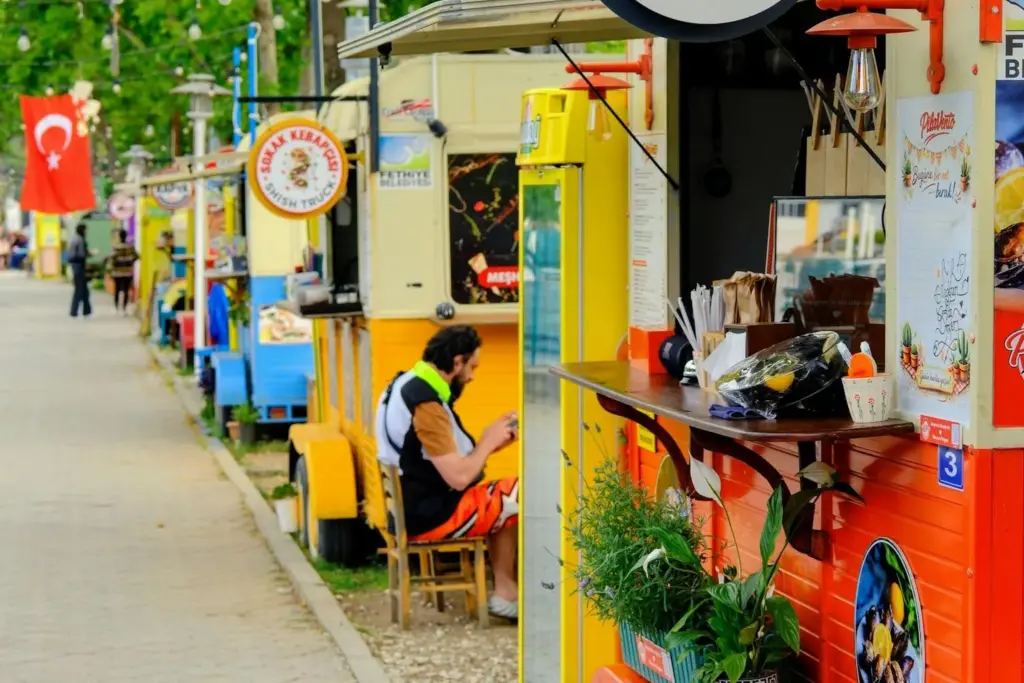
Travis County has approximately 2,000 licensed food trucks, generating about $610,000 in licensing revenue for the City of Austin in fiscal year 2025. Austin earned more mentions than any other Texas city in Yelp’s Top 100 Food Trucks 2025 list. The food truck is not a budget alternative here. It is a legitimate launching pad. Some of Austin’s Michelin-recognized restaurants started as trailers.
Food Truck Parks and Clusters
The major food truck parks rotate vendors, but several have become destinations in their own right:
- The Picnic on Barton Springs Road: a curated collection near Zilker Park
- South Austin Trailer Park & Eatery on South First: rotating trucks with a beer garden
- Meanwhile Brewing on Manchaca: brewery with resident food trucks and a dog-friendly patio
- East Austin truck clusters along East Cesar Chavez and East 6th: the densest concentration in the city
Regulatory Changes in 2026
The Texas Legislature passed House Bill 2844, which replaces the city-by-city food truck permit structure with a statewide licensing system effective July 1, 2026. This is a significant change that will simplify operations for mobile food vendors and could accelerate the already rapid growth of Austin’s truck scene.
Fine Dining Worth the Reservation
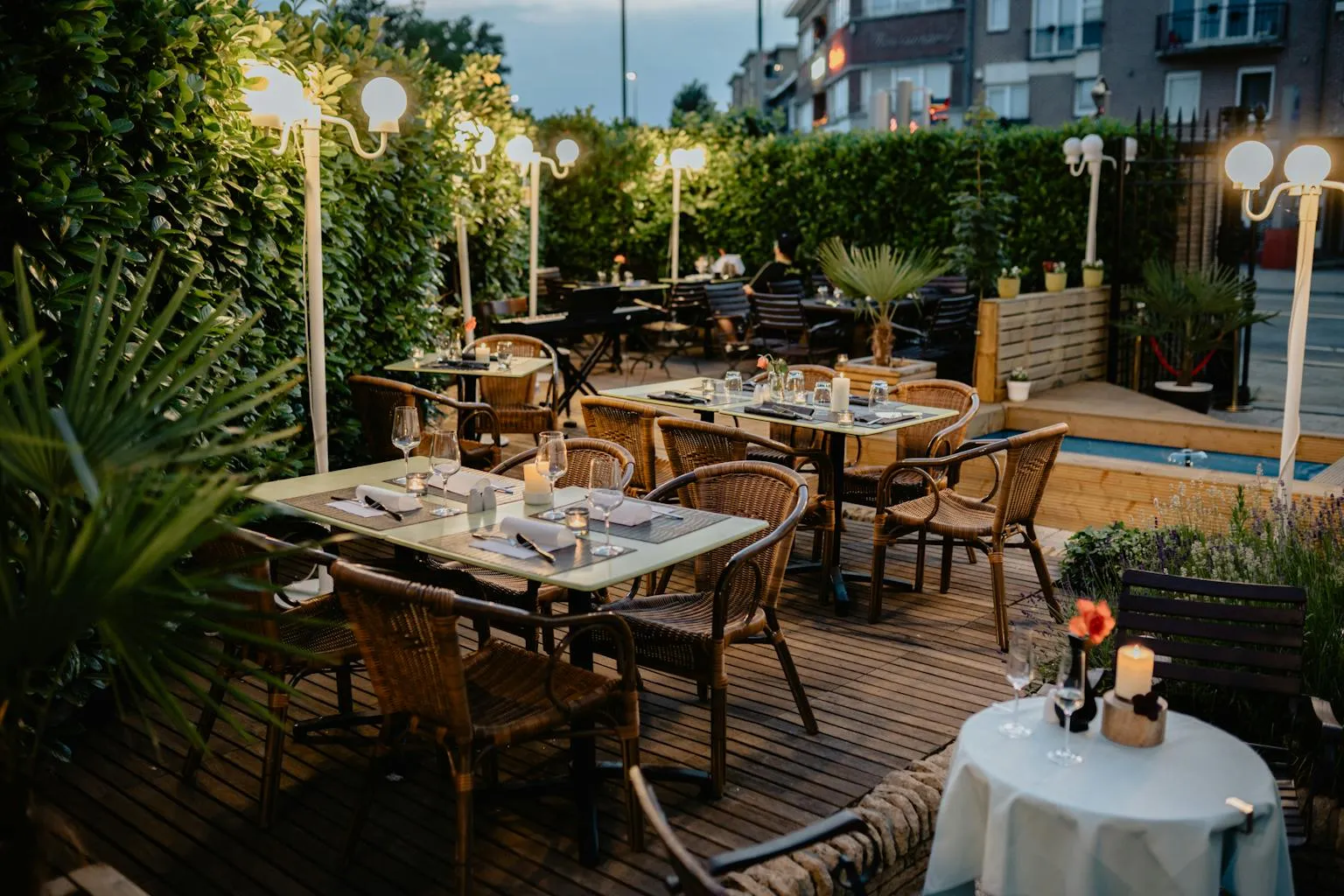
Austin’s fine dining scene has matured rapidly. A decade ago, there were perhaps three or four restaurants in the city that would qualify. Today, the options span multiple cuisines and price points.
Hestia is widely considered Austin’s most ambitious dining room. Chef Kevin Fink’s wood-fire-driven approach earned a Michelin star, and the tasting menu pulls from local farms, Texas ranches, and seasonal produce. The space itself, a dramatic room built around the hearth, is worth the visit alone.
Olamaie transforms Southern cuisine into something refined but never fussy. Michelin-starred and consistently booked weeks in advance. The biscuits alone are worth a trip.
Otoko, a 12-seat omakase room inside the South Congress Hotel, delivers the most intimate dining experience in Austin. The chef curates each course daily, blending Tokyo-style sushi with Kyoto-style kaiseki elements. Expect to pay $200 or more per person.
Barley Swine in North Austin serves a Michelin-starred tasting menu that changes constantly based on what is available from local farms. The presentation is meticulous without being precious.
Craft Omakase brings precision Japanese omakase with fish flown in from Tokyo’s Toyosu Market. The 18-course experience is the most technically demanding meal in the city.
Jeffrey’s in Clarksville has been Austin’s special occasion restaurant since 1975. The recent Michelin Recommended designation validated what locals have known for decades.
Emmer & Rye on Rainey Street pairs a Green Star for sustainability with inventive dim-sum-style cart service. Servers wheel small plates through the dining room, and you pick what looks good. It is formal in execution but relaxed in feel.
The Driskill Grill at the historic Driskill Hotel reopened in early 2026, reviving a classic Texas fine dining concept with steaks, cocktails, and a room originally opened in 1930.
Eating by Neighborhood: Where to Go and What to Order
Austin’s restaurant geography matters. Each neighborhood has a distinct culinary personality, and knowing where to eat is often a function of knowing where you are.
South Congress (SoCo)
The stretch of South Congress Avenue from the bridge to Oltorf is Austin’s most walkable dining corridor. Perla’s serves coastal seafood with a patio that defines the SoCo vibe. Home Slice Pizza draws lines for New York-style slices. Canje brings Caribbean fire to a fine dining context. Hopdoddy Burger Bar launched its national chain from this block. For coffee, Jo’s Coffee sits next to the famous “I love you so much” mural.
East Austin
East of I-35, Austin’s most dynamic food corridor runs along East Cesar Chavez and the surrounding streets. This is where La Barbecue, Nixta Taqueria, Mercado Sin Nombre, and dozens of food trucks cluster. Birdie’s on East 12th (James Beard Award 2025 for beverage service) offers natural wines alongside a Mediterranean-leaning dinner menu. Launderette (Michelin Recommended) turned a former laundromat into one of the city’s best brunch spots.
Downtown and Second Street
Downtown Austin skews toward business dining and hotel restaurants. La Condesa, Comedor, and Garrison all carry Michelin Recommended status. The Driskill Hotel’s revived grill room adds old-school Texas steak culture to the mix. Second Street District offers more casual options in a walkable retail environment.
Rainey Street
Rainey Street converted its historic bungalows into bars and restaurants over the past decade. Emmer & Rye anchors the fine dining end. The strip is better known for its bar scene, but several restaurants deliver serious food alongside the cocktails.
North Loop and North Austin
North Loop is a quieter neighborhood with some of Austin’s best value dining. Stiles Switch BBQ & Brew offers barbecue and craft beer without the tourist lines. Barley Swine (Michelin star) sits nearby. Foreign & Domestic provides seasonal New American plates in a cozy room.
South Lamar and Zilker
South Lamar between Barton Springs Road and Ben White is a restaurant row that caters to the Zilker and Barton Hills neighborhoods. Matt’s El Rancho anchors the Tex-Mex scene. Uchi (while technically on South Lamar) was one of the first restaurants to push Austin’s sushi expectations. Thai restaurants, ramen shops, and Vietnamese pho houses fill the gaps.
The Hill Country Suburbs: Bee Cave, Lakeway, and Dripping Springs
The Bee Cave and Lakeway dining scenes have expanded significantly. The Hill Country Galleria in Bee Cave houses multiple restaurant options. Dripping Springs has become a destination for brewery and winery hopping, with Jester King Brewery leading the way as a farmhouse brewery and pizza operation set on a Hill Country ranch. The comparison of these three Hill Country communities reveals distinct dining personalities in each.
Hill Country Wine Country
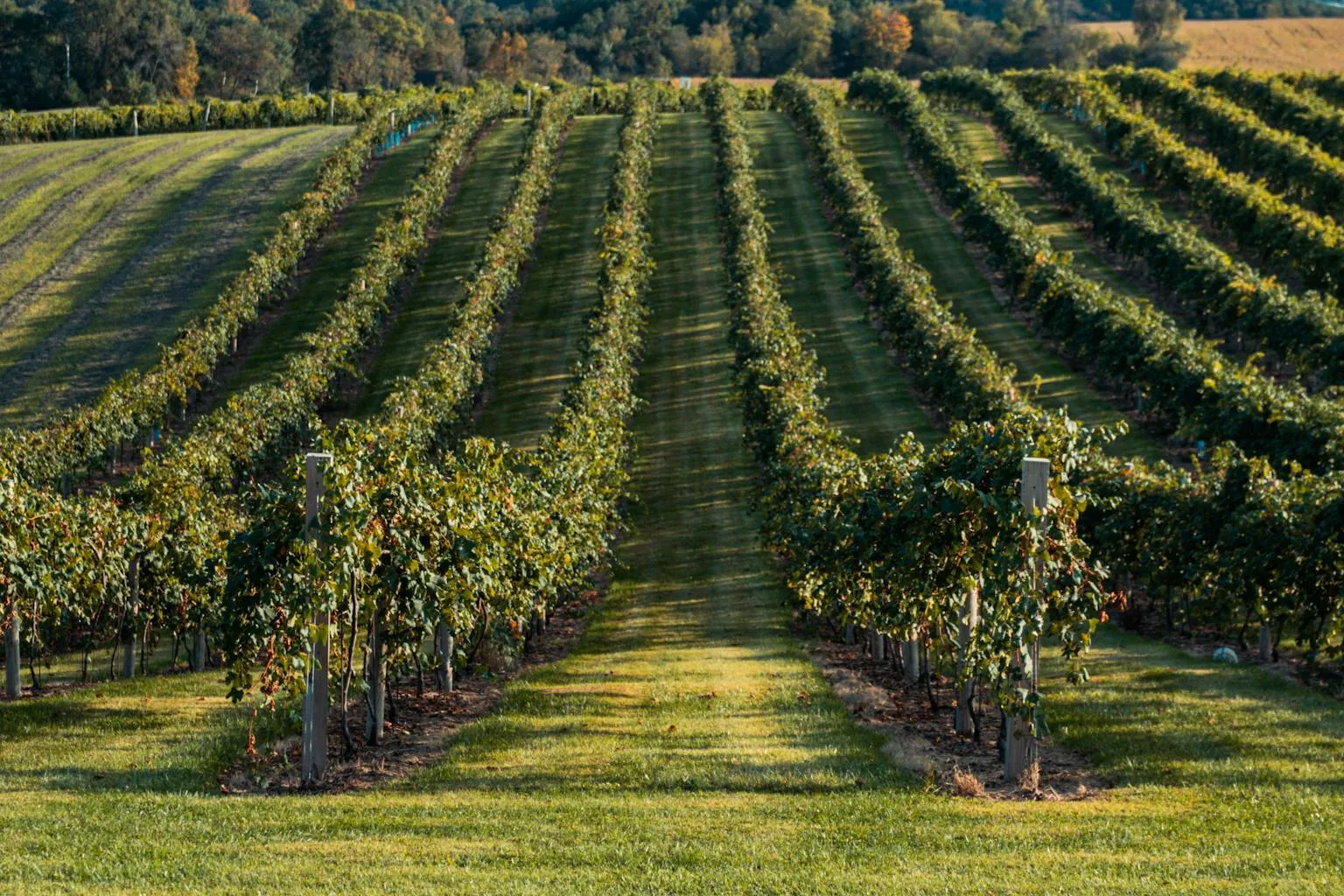
The Texas Hill Country American Viticultural Area (AVA) is home to more than 200 wineries and tasting rooms, making it one of the fastest-growing wine regions in the United States. For Austin residents, wine country starts about 30 minutes west and extends through Fredericksburg, Hye, Stonewall, Johnson City, and Dripping Springs.
Wine Trails Within Reach of Austin
| Trail | Area | Drive from Austin | Highlights |
|---|---|---|---|
| Highway 290 Wine Trail | Fredericksburg / Hye / Johnson City | 60-90 min | The main corridor, dozens of tasting rooms |
| Driftwood Wine Trail | Driftwood | 30 min | Closest to Austin, Salt Lick adjacent |
| Dripping Springs Wine Trail | Dripping Springs | 30 min | Combined with breweries and distilleries |
| Lake Travis Wine Trail | Lago Vista / Marble Falls | 45-60 min | Lake views and tastings |
The annual Wine Lovers Celebration, typically held in January and February, features 55-plus participating wineries across the Hill Country. Texas wines have improved dramatically over the past decade, with Tempranillo, Mourvedre, and Viognier emerging as varieties particularly suited to the climate and soil.
Craft Breweries: Austin’s Other Liquid Scene
The Hill Country region has 90 craft breweries spread across 26 cities, with Austin claiming 29 of them. Dripping Springs has 8, and Fredericksburg has 6. The 2026 Texas Craft Brewers Cup judged 930 entries, with Austin-area breweries taking home a significant share of the 90 medals.
Essential Austin Breweries
- Jester King Brewery (Dripping Springs): Farmhouse ales brewed with wild yeast and local ingredients on a Hill Country ranch. The pizza program alone is worth the drive. Weekend reservations recommended.
- Live Oak Brewing: One of Austin’s originals, known for German-style lagers. The biergarten in Southeast Austin has become a weekend institution.
- Pinthouse Pizza: Multiple locations combining excellent pizza with an on-site brewery that wins awards year after year.
- Meanwhile Brewing: South Austin’s community brewery with a massive outdoor space, food trucks, and a family-friendly atmosphere.
- Austin Beerworks: Their Fire Eagle IPA is one of the best-selling local craft beers in the city.
One challenge for the industry: the Texas craft beer market dropped nearly 9 percent in 2025, according to Axios Austin. Rising costs and increased competition from national brands and ready-to-drink cocktails have squeezed margins. Despite this, new breweries continue to open, particularly in the Hill Country suburbs where land costs are lower and taproom culture thrives.
Distilleries
Austin’s craft distillery scene has grown alongside the breweries. Deep Eddy Vodka launched in Dripping Springs and became one of the fastest-growing spirits brands in the country. Treaty Oak Distilling in Dripping Springs operates a full restaurant and event venue alongside its whiskey and gin production. Desert Door Texas Sotol, also based in Driftwood, introduced most Austinites to sotol, a spirit distilled from a plant native to the Chihuahuan Desert. The Dripping Springs area has become a distillery corridor, with half a dozen producers within a few miles of each other.
Coffee Culture: America’s Number One Coffee City
Food & Wine named Austin the best coffee city in the United States for 2026, ahead of Seattle, New York, and San Juan. The award recognized Austin’s “diverse, vibrant coffee community” of independent roasters, creative cafe concepts, and globally influenced menus.
East Austin has the highest concentration of specialty shops and roasters. Fleet Coffee on East 5th is a neighborhood staple. Texas Coffee Traders has spent more than 30 years roasting and supplying beans to other Austin shops from their East 7th flagship and northeast Austin roastery. Greater Goods Roasting donates a portion of every bag sold to local nonprofits.
Houndstooth Coffee operates multiple locations and represents the clean, precision-focused approach to specialty coffee. Talisman Coffee Co. stands out because its owners operate a 35-acre coffee farm in Nicaragua, sourcing their own beans and roasting small batches in-house.
Austin’s coffee culture extends beyond traditional cafes. Roasters have set up shop in breweries, bakeries, cocktail bars, alleys, and even converted vans. The annual Austin Coffee Festival draws roasters and coffee professionals from across the state.
Farmers Markets, H-E-B, and the Local Food Ecosystem
Farmers Markets
Austin’s farmers market scene reflects the city’s commitment to local sourcing and sustainable food.
Texas Farmers’ Market at Mueller is the largest, with more than 120 vendors from growers to artisanal makers. All agricultural producers come from within 150 miles of the market. Open Sundays year-round.
SFC Farmers’ Market (Sustainable Food Center) operates two locations: downtown at Republic Square and in Sunset Valley. More than 35 vendors offer produce, meat, eggs, dairy, baked goods, and prepared foods. The downtown market runs Saturdays.
Barton Creek Farmers Market traces its roots to 1987, when it started in the Whole Foods parking lot. It remains one of the city’s oldest continuously operating markets.
The H-E-B Factor
No discussion of Austin’s food culture is complete without H-E-B, the Texas-based grocery chain that inspires a loyalty bordering on devotion. H-E-B is headquartered in San Antonio but operates dozens of stores across the Austin metro, including the flagship H-E-B Mueller and the upscale Central Market locations on North Lamar and Westgate.
Central Market is H-E-B’s specialty food concept, with an emphasis on artisan cheeses, international ingredients, house-made prepared foods, and one of the best wine selections in the state. The cooking classes, live music events, and seasonal tastings make it a food destination rather than just a grocery store. For newcomers to Austin, a trip to Central Market is a rite of passage.
H-E-B also operates H-E-B Meal Simple and prepared food programs that compete directly with restaurants for weeknight dinners. Their private-label products (1905 tortilla chips, Creamy Creations ice cream, Texas Backyard burgers) have developed cult followings.
The relationship between H-E-B and Austin is deeper than grocery shopping. H-E-B donates to local food banks, sponsors community events, and was one of the first major responders during Winter Storm Uri in 2021. When a new H-E-B location opens (the Mueller store in 2020 being the most recent major opening in Central Austin), it is treated as neighborhood news on par with a new school or park.
Whole Foods: Austin’s Other Grocery Story
Whole Foods Market was founded in Austin in 1980, and its flagship store on North Lamar remains the company’s largest location. The rooftop bar and restaurant, in-store dining options, and curated local product sections make it more than a grocery store. While Amazon’s 2017 acquisition changed the corporate structure, the North Lamar flagship retains a distinctly Austin identity. For many Austin residents, Whole Foods and H-E-B’s Central Market represent the two poles of the premium grocery experience, and the city benefits from having both.
Dining for Every Occasion
Date Night
| Restaurant | Neighborhood | Style | Budget |
|---|---|---|---|
| Hestia | Downtown | Wood-fire tasting menu | $$$$ |
| Otoko | South Congress | 12-seat omakase | $$$$ |
| Emmer & Rye | Rainey Street | Seasonal small plates | $$$ |
| Lenoir | South First | “Hot weather food” wine garden | $$$ |
| Jeffrey’s | Clarksville | Classic Austin fine dining | $$$$ |
| Birdie’s | East Austin | Wine bar + Mediterranean | $$$ |
| Olamaie | West Campus | Refined Southern | $$$$ |
Brunch
Austin takes brunch seriously. Launderette (Michelin Recommended) does the best avocado toast and pastries in the city. Fonda San Miguel’s Sunday brunch buffet is a long-standing tradition. Bouldin Creek Cafe serves a vegetarian/vegan brunch with a loyal following. Paperboy on East 11th brought the all-day brunch concept to East Austin. Juan in a Million and Joe’s Bakery handle the taco-centric brunch crowd.
Kid-Friendly Spots
- Pinthouse Pizza: Multiple locations, great pizza, beer for parents, games for kids
- Matt’s El Rancho: Classic Tex-Mex with a laid-back atmosphere and outdoor seating
- Home Slice Pizza: SoCo institution, the patio is always full of strollers
- Meanwhile Brewing: The sprawling outdoor space is essentially a playground with beer
- Phil’s Ice House: Burgers, shakes, and a playground next door
- Salt Lick BBQ: The Driftwood picnic table atmosphere is built for large groups with kids
The Restaurant Industry as an Employer
Austin’s food scene is not just a lifestyle amenity. It is a major economic engine. The foodservice industry is the largest private-sector employer in Texas, employing over 1.4 million Texans (nearly 11 percent of the state workforce), according to the Texas Restaurant Association.
Austin’s 5,000-plus restaurants employ tens of thousands of residents in roles ranging from dishwashers and line cooks to executive chefs, sommeliers, and restaurant managers. The industry faces real challenges in 2026: the TRA reports that 88 percent of Texas restaurants are dealing with higher food costs, 66 percent face rising wages, and 52 percent are experiencing declining traffic.
For homebuyers, the restaurant industry’s health matters beyond just where you eat dinner. Restaurant and hospitality workers need housing close to their workplaces, and the industry’s wage levels influence demand patterns in neighborhoods near dining corridors. Austin’s cost of living and neighborhood profiles reflect these dynamics.
How Food Shapes Where You Buy a Home
For many people relocating to Austin, the food scene is a deciding factor in neighborhood selection. If walkable dining is a priority, South Congress, East Austin, North Loop, and downtown rank highest. If brewery and winery access matters, Dripping Springs, Bee Cave, and Lakeway put you within minutes of the Hill Country’s liquid trail.
Ed Neuhaus of Neuhaus Realty Group works with buyers across the Austin Hill Country corridor and frequently sees restaurant and dining preferences factor into neighborhood decisions. Buyers who prioritize food access should consider not just what is open now, but where new restaurants are clustering, as that often signals the next wave of neighborhood appreciation.
The things to do in Bee Cave and the dining options in Lakeway have expanded considerably over the past three years. What was once a food desert west of Mopac is now a legitimate restaurant scene in its own right, particularly around the Hill Country Galleria.
What Is New and Opening in 2026
Austin’s restaurant pipeline stays active. Notable 2026 openings and developments include:
- The Driskill Grill: A revival of the historic hotel dining room at 604 Brazos Street, bringing back classic Texas fine dining.
- Statewide food truck licensing: House Bill 2844 takes effect July 1, 2026, creating a single statewide permit system that could spark a new wave of food truck innovation.
- Continued East Austin growth: The East Cesar Chavez and East 6th corridors continue to attract new restaurant concepts, particularly chef-driven small-format operations.
- Hill Country suburban expansion: Dripping Springs and Bee Cave are seeing new restaurant openings at a pace that would have been unthinkable five years ago.
The outdoor recreation scene intersects with the dining scene in meaningful ways. Many of Austin’s best restaurants have patios, beer gardens, or outdoor seating that take advantage of the climate for eight months of the year.
Frequently Asked Questions
Bringing It All Together
Austin’s food and restaurant scene ranks among the most dynamic in the country, and the pace of change shows no sign of slowing. From $1.75 breakfast tacos to $200 omakase dinners, from roadside barbecue trailers with Michelin stars to a 200-winery Hill Country region 30 minutes from downtown, this city feeds every appetite at every price point.
The dining scene also reflects Austin’s broader identity: independent, creative, a little weird, and deeply rooted in Texas traditions while constantly reaching for something new. The breakfast taco trucks that have served East Austin for 40 years sit alongside Michelin-starred restaurants that opened last year. Both are essential. Both are Austin.
The restaurant scene is also a window into where Austin is headed. New restaurant clusters in East Austin, Dripping Springs, and Bee Cave signal demographic shifts, rising property values, and neighborhood transformation. For buyers evaluating where to live, the quality and variety of nearby dining is more than a lifestyle perk. It is a real estate signal.
For personalized guidance on finding the right neighborhood for your lifestyle in Austin and the Hill Country, reach out to Neuhaus Realty Group or visit neuhausre.com/contact.