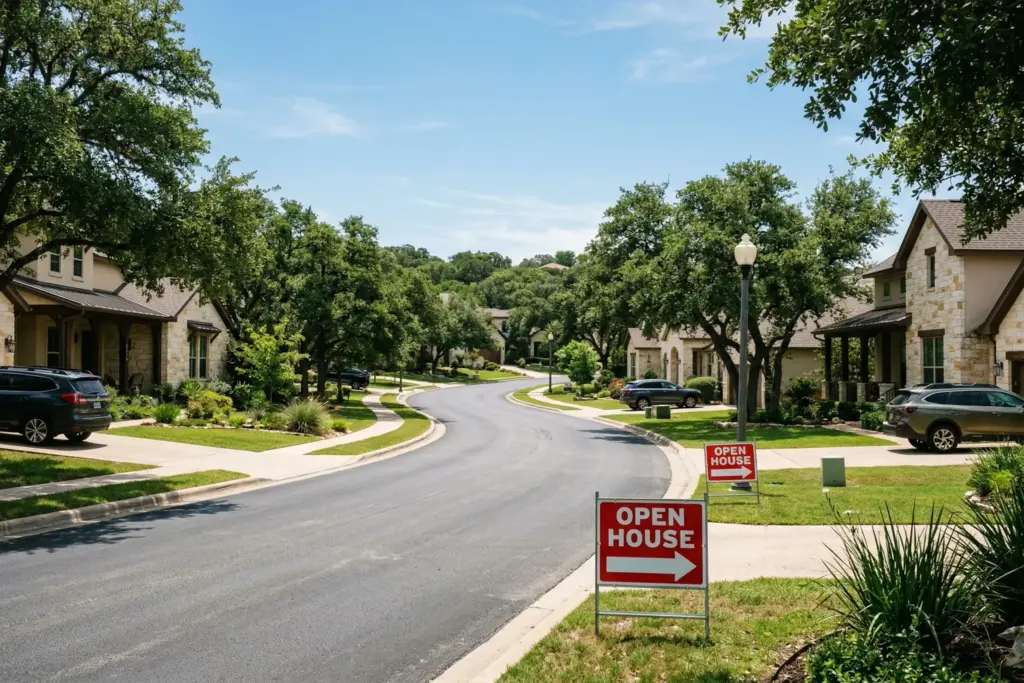
The National Association of Realtors reports that only 4% of home sales are directly attributed to open house signs and events. That number sounds low. But here is what it misses: 50% of all buyers attended at least one open house during their search, and roughly 37% of buyers walked through the home they ultimately purchased at an open house before writing an offer. The open house did not originate those leads, but it closed them.
Open houses remain one of the most misunderstood tools in residential real estate. Done poorly, they waste a weekend afternoon. Done well, they compress buyer interest into a single window, create urgency, generate multiple offers, and give your listing agent direct feedback on pricing, condition, and buyer sentiment that no amount of online marketing can replicate.
This guide covers everything sellers need to know about making open houses work in 2026, including the new Texas showing rules under SB 1968, preparation checklists, marketing strategies, safety protocols, and the metrics that separate a successful open house from a waste of time.
Do Open Houses Actually Sell Homes? What the Data Shows
The debate about open house effectiveness has raged in real estate circles for decades. The data tells a more nuanced story than either side typically admits.
According to NAR’s Profile of Home Buyers and Sellers, 96% of buyers used the internet to begin their home search. Open houses are almost never the discovery mechanism. Buyers find listings online first, then decide which ones are worth visiting. The open house serves a different function: it is the conversion event, the moment a buyer moves from “interested” to “serious.”
Consider the math. The average buyer views seven properties before making an offer and attends 2.6 open houses during their search. That means open houses account for roughly one-third of all property viewings. For homes in the $350,000 to $750,000 range in the Austin metro, where buyers are often comparing four to six neighborhoods simultaneously, the open house provides a low-commitment way to evaluate a home without scheduling a private showing.
The trend line is also moving upward. According to consumer housing trend data, 65% of sellers in 2024 hosted one to three open houses, a significant jump from 49% in 2018 and just 44% in 2021. The typical seller now hosts two open houses, up from one in prior years. In a market where homes sit longer than they did during the 2021-2022 frenzy, open houses have become more important, not less.
When Open Houses Matter Most
Not every listing benefits equally from an open house. The properties that see the strongest results share common characteristics:
- First two weekends on market. The highest buyer traffic occurs when a listing is fresh. An open house during the first weekend captures the wave of buyers who have been searching and waiting for new inventory.
- Correctly priced homes. An open house amplifies good pricing. If the home is priced 5-10% above market, an open house will generate foot traffic but few offers, and the seller walks away discouraged.
- Properties that show well in person. Homes with features that photographs cannot capture (vaulted ceilings, natural light, mature landscaping, views, neighborhood feel) benefit from in-person visits.
- Competitive price points. Homes in the $300,000 to $600,000 range in Austin tend to generate the most open house traffic because the buyer pool is largest at those price points.
- Homes needing a push. If a listing has been on the market for three or more weeks without an offer, a fresh open house with new marketing can re-engage buyers who may have dismissed the listing online.
When Open Houses Are Less Effective
Luxury properties above $1.5 million rarely sell through open houses. The buyer pool is smaller, privacy concerns are greater, and serious luxury buyers schedule private showings. Similarly, homes in rural locations with low drive-by traffic generate fewer walk-ins. And in extremely hot seller’s markets where homes sell in 48 hours with multiple offers, an open house may not be necessary (though it can still be strategic for maximizing the offer count).
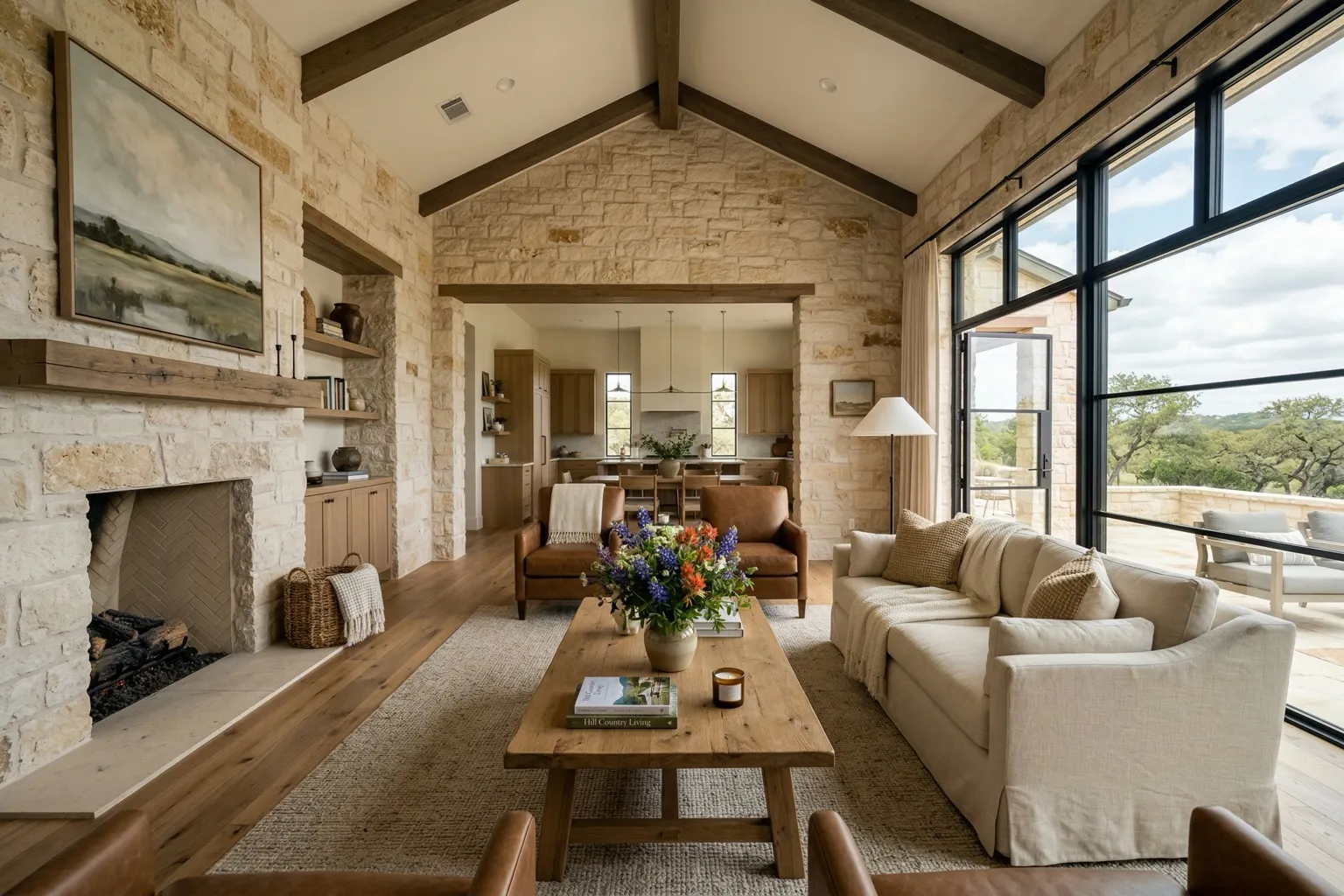 Hill Country home ready for an open house showing” class=”wp-image-4191″/>
The New Texas Open House Rules in 2026 (SB 1968)
As of January 1, 2026, Texas Senate Bill 1968 changed how open houses work in the state. Every seller and buyer needs to understand these rules because they affect who can walk through your home and under what conditions.
The core change: a written agreement is now required before most real estate agents can do anything beyond unlock a door at an open house. This is state law, not a brokerage policy.
What This Means in Practice
| Scenario | Agreement Required? | What Happens |
|---|---|---|
| Listing agent or their brokerage hosts the open house | No | Buyers can walk through freely without signing anything |
| Agent from a different brokerage hosts | Yes | Buyers must sign a non-representation showing agreement or buyer representation agreement before viewing |
| Buyer’s agent accompanies buyer to an open house | Yes | Buyer representation agreement required before the showing |
| Unrepresented buyer visits listing agent’s open house | No | Buyer can attend freely but the listing agent represents the seller, not the buyer |
The non-representation showing agreement is a short-term document (maximum 14 days) that allows an agent to show a property without formally representing the buyer. It is less committal than a full buyer representation agreement. The Information About Brokerage Services (IABS) form must also be provided before any showing.
For sellers, the practical impact is this: open houses hosted by your listing agent’s brokerage will see the most foot traffic because buyers face no paperwork barrier. If a cooperating agent from another brokerage is hosting, some buyers may hesitate to sign an agreement just to walk through. Your listing agent should discuss this when planning your open house strategy. For a deeper look at how these rules affect buyers, see the complete breakdown of Texas open house rules for 2026.
Preparing Your Home for an Open House: The Complete Checklist
Preparation is where most open houses succeed or fail. The home itself does the selling. Your agent provides the framework. Here is the preparation timeline that consistently produces results.
One Week Before
- Deep clean everything. This means more than tidying up. Hire a professional cleaning service ($200 to $400 for a standard Austin home). Baseboards, window tracks, light fixtures, ceiling fans, inside the oven, behind the toilet. Buyers open cabinets and closets. They look at grout lines. A spotless home signals “well maintained.”
- Declutter aggressively. Remove at least 30% of your belongings. Pack up personal photos, collections, extra furniture, and anything that makes rooms feel smaller. Rent a storage unit if needed ($100 to $200/month for a 10×10 in Austin).
- Handle minor repairs. Fix the dripping faucet, the sticking door, the cracked outlet cover. These small issues create a “what else is wrong?” mentality in buyers. A $50 afternoon of repairs prevents $5,000 in negotiation concessions. For a full list, see the pre-listing preparation guide.
- Stage or refresh staging. If you are not using a professional stager, at minimum ensure each room has a clear purpose, furniture is pulled away from walls, and surfaces are mostly clear. The complete staging guide covers room-by-room strategies.
- Boost curb appeal. Mow, edge, mulch, pressure wash the driveway and front walkway, clean the front door, add a new welcome mat, and place two potted plants flanking the entry. First impressions happen before buyers step inside. See our curb appeal guide for more ideas.
The Day Before
- Set the temperature. Program the thermostat to 72 degrees. Austin summers demand a cool interior. In winter, a warm home feels inviting.
- Eliminate odors. No candles (too obvious and some buyers have allergies). Instead, open windows for 30 minutes, run the HVAC, and bake cookies or simmer vanilla extract and cinnamon if you want a subtle scent. Pet owners: have carpets professionally cleaned and remove litter boxes, beds, and bowls.
- Secure valuables. Lock up jewelry, prescription medications, firearms, laptops, financial documents, passports, and small electronics. Move them off-premises if possible, or lock them in a safe that cannot be removed. Open houses attract legitimate buyers, but they also occasionally attract thieves who use the event as reconnaissance.
- Prepare information packets. Have printed sheets with property details, tax amounts, utility averages, HOA information, school zones, and your agent’s contact information. Buyers take these home and reference them when making decisions.
The Morning Of
- Open all blinds and curtains. Natural light makes every room look larger.
- Turn on every light in the house, including closets and the garage.
- Put out fresh flowers on the kitchen counter or dining table ($15 to $25).
- Make all beds, fluff pillows, hang fresh towels in bathrooms.
- Put toilet lids down in every bathroom.
- Run the dishwasher empty to clear any odors, then leave it open.
- Move all cars out of the driveway and garage (buyers want to see the garage).
- If you have pets, remove them from the property entirely. Not everyone is comfortable around animals, and some buyers have allergies.
- Leave. Do not stay for the open house. Buyers feel uncomfortable exploring a home while the owner watches.
Choosing the Best Day and Time
Timing affects attendance more than most sellers realize. The data is clear on when buyers are most likely to show up.
| Day and Time | Traffic Level | Best For |
|---|---|---|
| Sunday, 1:00 PM to 4:00 PM | Highest | Maximum buyer exposure, the classic open house window |
| Saturday, 11:00 AM to 2:00 PM | High | Catching early-bird buyers and those with Sunday commitments |
| Saturday, 2:00 PM to 5:00 PM | Moderate to High | Afternoon browsers, second-showing traffic |
| Thursday, 5:00 PM to 7:00 PM | Moderate | Working professionals who cannot attend weekends |
| Sunday, 10:00 AM to 12:00 PM | Low to Moderate | Competes with church services in Texas markets |
In Austin specifically, Sunday afternoon consistently produces the strongest attendance. Saturday also works well, particularly in neighborhoods where weekend activities (sports leagues, farmers markets, lake trips) tend to occupy Sunday schedules. Avoid holiday weekends, UT home football game days (September through November), and SXSW week (early March) when traffic patterns in central Austin are unpredictable.
The first open house should happen the first weekend the home hits the market. This captures the pent-up demand from buyers who have been actively searching. Delaying two weeks means missing the “new listing” energy that drives the highest interest.
Marketing Your Open House: The Multi-Channel Approach
Putting a sign in the yard and hoping for the best is not a marketing strategy. Effective open house promotion starts 10 to 14 days before the event and uses multiple channels simultaneously.
MLS and Syndication
Your agent should enter the open house into the MLS at least five days in advance. This automatically syndicates the event to major real estate search portals where buyers are already looking. Every MLS-listed open house appears on aggregator sites with the date, time, and address, reaching the largest possible audience of active buyers.
Social Media (The Real Driver)
Social media has become the primary amplifier for open house marketing. A structured posting sequence works better than a single announcement:
- 10 days before: Teaser post with the best interior photo. “Coming soon: Open house at [address]. Details next week.”
- 7 days before: Full announcement with date, time, address, 3-4 photos, and key features. Create a Facebook Event.
- 3 days before: Instagram Reel or short video walkthrough (30 to 60 seconds). Share to Stories with countdown sticker.
- Day before: Reminder post across all platforms. Share the Facebook Event one more time.
- Day of: Stories showing final preparation (“getting ready for today’s open house at…”). Post during the event with a “happening now” update.
Facebook remains the strongest platform for local buyer reach. Instagram Reels drive the most engagement per post. Nextdoor and local Facebook Groups reach immediate neighbors, who are statistically one of the best sources of buyer referrals (“my friend is looking to move to our neighborhood”).
Targeted Digital Advertising
A $50 to $150 Facebook/Instagram ad targeted to users within a 15-mile radius who have shown interest in real estate can reach 5,000 to 20,000 people. The ad should include the best exterior photo, the open house date and time, a 1-2 sentence hook about the home’s strongest feature, and a link to the full listing. This is one of the highest-ROI marketing spends in real estate. For more on digital marketing for listings, see the real estate photography and marketing guide.
Neighbor Invitations
This tactic is underused and highly effective. Send a simple postcard or door-knock the 20 to 30 nearest homes with a personal invitation. Neighbors are curious about what homes in their area sell for, and they often know people who want to move into the neighborhood. “We wanted to invite you to see your neighbor’s beautifully updated home this Sunday” costs very little and can generate the most motivated referrals.
Email Marketing
Your agent’s database of active buyers, past clients, and professional contacts should receive a dedicated email announcement. A well-maintained buyer list produces higher-quality attendees than any other channel because these are people who have already expressed interest in buying.
Physical Signage Strategy
On the day of the event, directional signs matter more than digital marketing. Place “Open House” directional signs at every decision point within a half-mile radius. A buyer driving through a neighborhood should be able to follow a trail of signs from the main road to your front door. In Austin, this typically means 6 to 10 directional signs for a neighborhood open house.
The yard sign itself should include “OPEN HOUSE TODAY” with the time. A-frame signs at the nearest major intersection capture drive-by traffic that may not have seen the listing online.
Broker Open Houses vs. Public Open Houses
These are two distinct events with different purposes, audiences, and strategies.
Broker Open House (Agent Preview)
A broker open house is an invitation-only event for licensed real estate agents in the area. It is typically held on a weekday (Tuesday or Wednesday) during business hours, often with lunch provided. The purpose is threefold:
- Agent awareness. Local agents who physically walk through a home are far more likely to recommend it to their buyers than agents who only see photos online.
- Pricing feedback. Experienced agents will tell you (honestly) whether the home is priced correctly, what improvements would help, and how it compares to competing listings they have seen.
- Network effect. An agent who tours your home on Tuesday may mention it to a buyer they are showing other homes to on Saturday.
In the Austin market, broker opens are most common for new listings in the $500,000 and above range, particularly in competitive areas like Westlake, Bee Cave, and Lakeway. They are less common (and less necessary) for homes in high-demand, lower price points where buyer traffic is already strong.
Public Open House
The public open house is the traditional weekend event open to anyone. This is what most people picture when they hear “open house.” The audience includes active buyers, curious neighbors, future sellers gauging market conditions, and occasionally tire-kickers with no immediate plans to purchase.
The best strategy for most Austin sellers is to hold a broker open house on Tuesday or Wednesday of the first week on market, followed by a public open house the following Saturday or Sunday. This sequence builds agent buzz before the public event.
What to Do During the Open House (And What Not to Do)
What Sellers Should Do
Leave. Seriously. The single most important thing a seller can do during an open house is not be there. Buyers cannot explore honestly, discuss concerns with their agent, or form genuine impressions when the homeowner is hovering. Plan to be gone for the entire duration plus 30 minutes on each end.
What Your Agent Should Do
A professional open house is not passive. Your agent (or their team member) should be actively managing the experience:
- Greet every visitor at the door. A warm welcome sets the tone. Offer a property information sheet immediately.
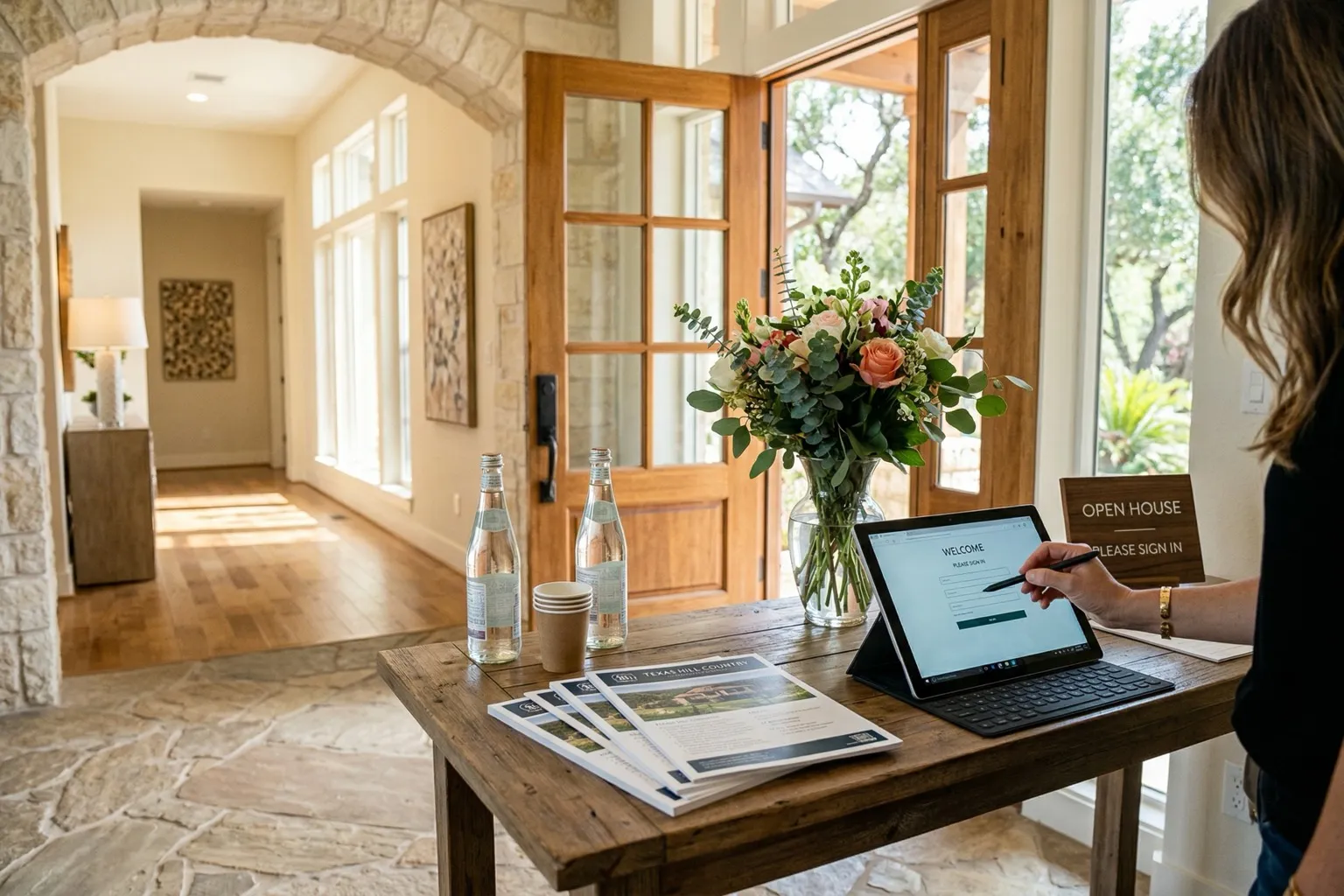
- Request sign-in. A physical sign-in sheet or digital sign-in (via tablet or QR code) captures name, phone number, and email. This is both a security measure and a lead-generation tool. Some buyers resist signing in, and agents should not be pushy, but a polite request is standard and expected.
- Be available but not aggressive. “Feel free to look around at your own pace. I am right here if you have any questions.” Let buyers explore. They will come to you when they have questions.
- Point out features that are not obvious. “The water heater was replaced six months ago,” or “That closet has a custom organizer system.” Let buyers discover the space, but make sure they do not miss hidden value.
- Gauge interest and collect feedback. After buyers have toured the home, a simple “What did you think?” opens the door to honest feedback that helps the seller understand how the market perceives their home.
- Note serious buyers vs. browsers. Serious buyers ask about the school zone, utility costs, HOA fees, and closing timelines. Browsers comment on the paint color and leave in five minutes. Your agent should be able to tell the difference.
Open House Safety and Security
Open houses involve inviting strangers into your home. While the vast majority of visitors are legitimate buyers or curious neighbors, taking precautions is essential.
Before the Open House
- Remove or lock all prescription medications, including those in guest bathrooms and nightstands.
- Remove firearms to a secure, off-site location.
- Lock up jewelry, cash, important documents, and small electronics.
- Take photographs of each room so you have a record of what was present if anything goes missing.
- Ensure exterior security cameras are functioning (but post signage if Texas law requires notification).
- Lock rooms you do not want visitors entering (home office with client files, utility rooms).
During the Open House
- Your agent should have a second person present whenever possible. Two people can monitor the home more effectively than one.
- Visitors should sign in before touring. This creates accountability.
- The agent should maintain a line of sight on all visitors. If someone goes into a room and does not come out for an extended period, check on them.
- Doors to bedrooms and bathrooms should remain open to maintain visibility.
- Do not leave laptops, tablets, or phones charging in visible locations.
After the Open House
- Walk through every room and verify that windows and doors are locked.
- Compare the home’s current state to the photographs taken before the event.
- Check that all exterior doors, including the garage, are secure.
- Report anything suspicious to your agent immediately.
Virtual Open Houses: When They Make Sense
Virtual open houses gained traction during 2020-2021 and have evolved into a complementary tool rather than a replacement for in-person events.
A virtual open house is a live-streamed or pre-recorded video tour of the property, typically broadcast on Facebook Live, Instagram Live, Zoom, or YouTube. The agent walks through the home, narrating features while viewers ask questions in real time.
When Virtual Open Houses Work
- Out-of-state buyers. Austin attracts significant relocation traffic from California, the Pacific Northwest, and the Northeast. Buyers who cannot fly in for a weekend showing can attend virtually.
- Pre-screening tool. A virtual tour helps buyers decide whether a home is worth an in-person visit, saving everyone time.
- Supplemental marketing. The recorded virtual tour becomes permanent content for the listing, viewable on-demand by any future prospect.
- Inclement weather backup. If severe weather (common in Texas spring) threatens an in-person open house, having a virtual option prevents a total loss.
Data from Matterport shows that homes listed with a 3D virtual tour sold 31% faster than those without one. While this does not isolate the “virtual open house” effect specifically, it confirms that giving buyers more ways to experience a property accelerates the sales timeline.
The strongest approach is hybrid: hold an in-person open house and simultaneously stream it live for remote viewers. This captures both audiences with minimal additional effort.
The Mega Open House Strategy
A mega open house is an elevated event designed to generate buzz and attract a larger audience than a standard open house. Think of it as the difference between a quiet showing and a neighborhood event.
Elements of a mega open house include:
- Extended hours (11:00 AM to 4:00 PM instead of the typical 2-hour window)
- Food trucks or catered refreshments
- Live music (an acoustic guitarist on the patio, for example)
- Vendor partnerships (a local mortgage lender, home warranty company, or interior designer sets up a table)
- Children’s activities in the yard to keep young visitors entertained while parents tour
- Raffle or giveaway to encourage sign-ins
Mega open houses work best for homes that need maximum exposure, particularly listings that have sat on the market, price reductions that need re-marketing, or unique properties that benefit from an event atmosphere. They are more common in the $400,000 to $800,000 range in Austin.
The downside: mega open houses cost more ($500 to $2,000 depending on scope), attract more non-serious visitors, and require significantly more planning. They are a tool for specific situations, not a default strategy.
Following Up After the Open House
The open house does not end when the last visitor leaves. The follow-up process is where interest converts to offers.
Within 24 Hours
- Agent debriefs seller. How many visitors attended? What was the general sentiment? Were there any serious prospects? What feedback was given about the home, the price, or the condition?
- Personalized follow-up with sign-in contacts. Every person who signed in should receive a personalized message (not a mass email). “Thank you for visiting [address] yesterday. Did you have any questions I can help with?” This simple outreach converts passive interest into active conversations.
- Share feedback honestly. If five visitors said the price is too high, or three mentioned the kitchen feels dated, that feedback needs to reach the seller without sugar-coating. Open house feedback is raw market data.
Within 48 to 72 Hours
- Second-touch follow-up. For visitors who expressed strong interest but did not respond to the first message, a second touchpoint is appropriate. “I wanted to follow up on your visit to [address]. The seller has been receiving interest, so if you are considering an offer, I would be happy to discuss next steps.”
- Create urgency if warranted. If there is genuine interest from multiple buyers, communicate that honestly. Manufactured urgency backfires, but real competition motivates decisions.
Ongoing
Visitors who attended but are not ready to offer may be future buyers. Add them to your agent’s follow-up sequence (with permission) for updates on the listing, price changes, or new listings in the area.
Metrics That Matter: Measuring Open House Success
Not every open house produces an immediate offer, and that does not mean it failed. Track these metrics to evaluate effectiveness:
| Metric | What It Tells You | Good Benchmark (Austin) |
|---|---|---|
| Total visitors | Overall interest level | 10 to 25 groups for well-marketed homes |
| Sign-in rate | Quality of visitors (serious buyers sign in) | 70% or higher |
| Time spent in home | Depth of interest (serious buyers spend 15+ minutes) | 10 to 20 minutes average |
| Follow-up response rate | Engagement quality | 30-40% respond to first follow-up |
| Second showing requests | Strongest indicator of serious interest | 2 to 5 from a well-attended open house |
| Offers received within 7 days | Direct conversion | 1 or more from a successful open house |
| Feedback consistency | Market perception of price and condition | Track common themes across 5+ visitors |
Ed Neuhaus, broker of Neuhaus Realty Group, notes that the most valuable open house metric is often qualitative, not quantitative. “Ten visitors who all say the same thing about the kitchen or the price tells you more than 30 visitors who say nothing. The open house is as much a market research tool as it is a sales event.”
How Many Open Houses Should You Hold?
There is no universal answer, but there are guidelines based on market conditions and results.
- Minimum: One open house during the first weekend on market. This is table stakes in the current Austin market.
- Standard: Two open houses in the first two weeks (one Saturday, one Sunday the following weekend), then evaluate results.
- Extended marketing: If the home has not received an offer after two open houses, assess whether the issue is exposure (more open houses needed) or pricing/condition (open houses will not fix a pricing problem).
- Maximum useful frequency: One per week for the first month, then biweekly. Holding weekly open houses beyond that point signals desperation and desensitizes the market.
Diminishing returns set in after the third or fourth open house. If a well-marketed home has hosted three open houses without generating an offer, the problem is almost certainly price, condition, or both. Additional open houses will not solve a pricing issue. A price adjustment will. See the complete guide to pricing your home for strategies on reading market signals.
Common Open House Mistakes That Cost Sellers Money
After hundreds of open houses across the Austin and Hill Country market, these are the patterns that consistently undermine results:
- The seller stays home. This is the most common and most damaging mistake. Buyers cannot speak freely, and they rush through the home to avoid awkward interaction with the owner. If you must be somewhere during the open house, go get lunch, run errands, or visit a friend. Just do not be in the house.
- Pets remain in the home. Even friendly pets create problems. Some buyers are allergic. Some are afraid of dogs. And pet odors that owners have gone nose-blind to are immediately noticeable to visitors. Board your pets or take them to a friend’s house for the day.
- Skipping the cleaning. A home that looks “lived in” during an open house tells buyers the seller does not care about presentation. If you do not invest in how the home shows, buyers assume you did not invest in maintenance either.
- No marketing beyond a yard sign. Relying solely on drive-by traffic and MLS syndication leaves thousands of potential buyers unaware of the event. The multi-channel marketing approach outlined above costs relatively little and dramatically increases attendance.
- Overpricing and expecting the open house to “test the market.” This is a strategy that consistently fails. Overpriced homes generate foot traffic but no offers, creating stale-listing perception. Price correctly before the open house, not after.
- Poor timing. Hosting an open house during the UT/OU game, Easter weekend, or during a major Austin event pulls your audience away. Check the local calendar before setting the date.
- No follow-up. Collecting 20 sign-ins and never contacting any of them wastes the entire effort. The follow-up is where offers come from.
- Dark, stuffy homes. Every light should be on. Every blind should be open. If it is spring or fall, open the windows. Buyers associate darkness with something to hide and stuffiness with neglect. For more common pitfalls, see the top 10 mistakes Austin home sellers make.
Open Houses in Different Austin Market Conditions
The strategy for open houses shifts depending on whether you are in a buyer’s market, a seller’s market, or a balanced market.
Seller’s Market (Low Inventory, Multiple Offers)
In a strong seller’s market, the open house serves a strategic purpose: concentrating buyer traffic into a single event to maximize the number of competing offers. The “hold offers until Monday” strategy works best here. List on Wednesday or Thursday, hold the open house Saturday and Sunday, and set an offer deadline for Monday at noon. This creates urgency and typically produces multiple offers.
Buyer’s Market (High Inventory, Longer Days on Market)
In a buyer’s market (which describes much of the Austin metro in 2025-2026 for certain price points), open houses become even more important because properties sit longer and need more exposure. The marketing effort should be doubled: more digital promotion, more directional signs, more agent outreach. Consider pairing the open house with an incentive, such as offering a home warranty or covering a portion of buyer closing costs.
Balanced Market
In a balanced market, the standard two-open-house strategy works well. Focus on execution: clean, stage, market, follow up.
Open House Refreshments and Atmosphere
The debate about whether to serve food at an open house is settled: yes, but keep it simple. The refreshments are not the attraction. They are a reason for visitors to linger, which gives your agent more time to build rapport and answer questions.
What Works
- Bottled water (essential in Austin, year-round)
- Light snacks: cheese and crackers, fruit, cookies
- Coffee in the morning, lemonade in the afternoon
- A small sign identifying the items (“Help yourself!”)
What Does Not Work
- Full meals or elaborate spreads (this is not a party)
- Anything that creates a mess or leaves crumbs on the floor
- Alcohol (liability issues and it changes the atmosphere)
- Strong-smelling foods (garlic, fish, heavy spices) that overpower the home
Budget $30 to $75 for refreshments at a standard open house. For a mega open house with a food truck or catering, expect $300 to $800.
Open Houses for Specific Property Types
Condos and Townhomes
Condo open houses face unique challenges: limited parking, HOA restrictions on signage, and building access requirements. Check with your HOA about guest parking policies, sign placement rules, and whether you need to notify the building manager. Elevator buildings may require guest passes. Plan for these logistics at least a week in advance.
Luxury Properties ($1M+)
Standard public open houses are less common for luxury properties. Instead, consider an “exclusive preview” format: invitation-only events for pre-qualified buyers and top-producing agents. Wine and cheese receptions on a Thursday evening, private tours with appointment-only access, or VIP broker events create the exclusivity that luxury buyers expect.
Acreage and Rural Properties
Properties with land in Dripping Springs, Spicewood, or Wimberley present different open house dynamics. Drive times are longer, directional signage is critical (start signs 2 to 3 miles out on the main road), and the property tour should include the land, not just the home. Consider having a property map available that marks fence lines, water features, outbuildings, and access points.
New Construction
Builder model homes function as permanent open houses, but if you are selling a completed new construction home (not through the builder’s on-site sales team), treat it like a resale open house with one advantage: everything is new, clean, and under warranty. Highlight the builder’s structural warranty, included appliances, and energy efficiency features.
Frequently Asked Questions
Making Your Next Open House Count
An open house is not a silver bullet. It is one component of a comprehensive marketing strategy that includes professional photography, digital advertising, MLS syndication, agent networking, and strategic pricing. But when executed properly, with thorough preparation, multi-channel promotion, professional management, and diligent follow-up, it remains one of the most effective ways to create buyer urgency and convert online interest into real offers.
The sellers who get the most value from open houses are the ones who treat the event as a production, not a formality. Clean the house as if your most detail-oriented friend is visiting. Market the event as if nobody knows about it. Follow up as if every visitor could be your buyer. Because statistically, one of them might be.
For sellers in Austin, Bee Cave, Lakeway, Westlake, and Dripping Springs, Neuhaus Realty Group provides a full-service open house strategy as part of every listing, including professional staging consultation, multi-channel digital marketing, and agent-managed events designed to maximize buyer engagement. Reach out for a confidential listing consultation.
Related guides:
- Complete Guide to Selling Your Home in Austin (2026)
- Complete Guide to Home Staging in Austin (2026)
- Complete Guide to Pricing Your Home in Austin (2026)
- Complete Guide to Real Estate Photography and Marketing (2026)
Explore all of our seller resources, guides, and tools in one place.