
What Pest Control Costs in Central Texas and Why It Matters
Central Texas homeowners spend between $400 and $1,800 per year on pest control services, depending on property size, location, and the types of pests involved. That number jumps to $2,000 or more when termite treatment enters the picture. In a region where the average high temperature stays above 80 degrees for six months of the year, pests never fully go dormant, and the combination of limestone terrain, expansive clay soils, and dense oak and cedar canopy creates a perfect habitat for everything from subterranean termites to striped bark scorpions.
According to the Texas A&M AgriLife Extension Service, fire ants alone cause over $1 billion in damage annually across the United States, with Texas absorbing the largest share. Travis County’s subtropical climate, where mild winters rarely produce sustained freezes, means pest populations that would normally decline in colder states simply continue reproducing year-round in Austin and the surrounding Hill Country.
For homeowners in Bee Cave, Lakeway, and Dripping Springs, the pest profile skews toward scorpions, snakes, and wildlife encounters that buyers from other states simply do not expect. Understanding what lives here, what it costs to control, and when to call a professional versus handling it yourself is essential knowledge for anyone owning property in the Austin metro.
Why Central Texas Has a Unique Pest Problem
Three factors combine to make pest control in Central Texas more complex than in most U.S. markets.
Climate. Austin averages 228 days per year above 70 degrees Fahrenheit. Most pest species are active above 50 degrees, which means the “off season” for pests in Central Texas lasts roughly six weeks in deep winter. Compare that to the Midwest, where pest dormancy stretches four to five months.
Geology. The Edwards Plateau limestone underlying the Hill Country is riddled with cracks, caves, and fissures. Scorpions, spiders, and snakes use these natural pathways to move between underground habitats and residential properties. Homes built on limestone lots, especially in western Travis County and Hays County, face higher scorpion pressure than homes built on the Blackland Prairie clay soils east of I-35.
Vegetation. Dense stands of Ashe juniper (mountain cedar) and live oak provide canopy cover that holds moisture, creating ideal habitat for termites, roaches, and rodents. Properties with mature tree cover within 20 feet of the structure face significantly higher pest pressure than cleared lots.
These factors mean that pest control in Austin is not a seasonal project. It is a year-round expense that belongs in every homeowner’s maintenance budget alongside HVAC servicing and foundation care.
Termites: The Most Expensive Pest Threat in Texas
Termites cause more property damage in Texas than any other pest. The National Pest Management Association estimates that termites cause $5 billion in property damage annually across the United States, and Texas ranks among the top five states for termite activity. In Central Texas, the primary species is the Eastern subterranean termite, though Formosan subterranean termites have been confirmed in the Houston and Dallas corridors and are expanding their range westward.
Subterranean vs. Drywood Termites
Subterranean termites build colonies underground and construct mud tubes to reach wood above ground. These are the species responsible for the vast majority of termite damage in the Austin area. A mature colony can contain 300,000 to one million workers, and they can consume a linear foot of 2×4 lumber in approximately five months.
Drywood termites live entirely within the wood they consume and do not require soil contact. They are less common in Central Texas than along the Gulf Coast, but they do appear in older homes, particularly in structures with untreated wood framing or antique furniture.
Signs of Termite Activity
- Mud tubes on foundation walls, pier columns, or plumbing penetrations (pencil-width brown tubes)
- Swarmers (winged termites) inside the home, especially March through May
- Hollow-sounding wood when tapped
- Buckling or bubbling paint on wood surfaces
- Frass (tiny wood-colored pellets) near baseboards or windowsills (drywood species)
- Discarded wings near windows or light fixtures after a swarm event
Treatment Options and Costs
| Treatment Method | Best For | Cost Range | Timeline |
|---|---|---|---|
| Liquid barrier (Termidor, Taurus SC) | Active infestations, new construction | $500 to $1,500 | Same-day application, effective within weeks |
| Bait stations (Sentricon, Trelona) | Monitoring + colony elimination | $1,000 to $2,500 initial, $200 to $400/year monitoring | Colony elimination in 2 to 6 months |
| Spot treatment | Localized drywood infestations | $300 to $800 | Same-day |
| Whole-structure fumigation | Severe drywood infestations | $2,000 to $8,000 | 2 to 3 days (home must be vacated) |
For most Central Texas homes, a liquid barrier treatment combined with annual monitoring provides the best balance of cost and protection. Ed Neuhaus, broker of Neuhaus Realty Group, notes that termite damage is one of the most common issues discovered during home inspections in the Austin area, and buyers should always request a WDI (Wood Destroying Insect) report as part of their due diligence.
Fire Ants: The Yard Invaders
Red imported fire ants (Solenopsis invicta) are arguably the most universally despised pest in Central Texas. Originally from South America, they have colonized the entire state and are particularly aggressive in the Austin metro, where warm soil temperatures allow year-round colony activity. A single fire ant mound can contain 100,000 to 500,000 ants, and mature colonies produce multiple queens that can establish satellite mounds across a property.
Fire ant stings produce a characteristic raised white pustule that appears within 24 hours and itches intensely for several days. For the roughly 1% to 2% of the population with venom allergies, fire ant stings can trigger anaphylaxis, a potentially life-threatening reaction requiring immediate epinephrine.
Treatment Approaches
Individual mound treatment: Apply granular bait (hydramethylnon or spinosad-based products) around the mound perimeter. Do not disturb the mound before treatment. Cost: $8 to $15 per application (DIY). Professional spot treatment runs $75 to $150 per visit.
Broadcast treatment: For properties with heavy fire ant pressure (10+ mounds), broadcast bait across the entire yard in early spring and again in fall. The “Texas Two-Step” method recommended by Texas A&M AgriLife combines a broadcast bait application followed by individual mound treatment for remaining active colonies two weeks later.
Professional yard treatment: Quarterly service that includes fire ant control typically costs $75 to $130 per visit as part of a general pest control plan.
Scorpions in the Hill Country
The striped bark scorpion (Centruroides vittatus) is the most common scorpion species in Central Texas and the one most likely to be found inside a home. These arachnids are 2 to 3 inches long, yellowish-tan with two dark stripes running down their backs, and glow bright blue-green under ultraviolet light.
Scorpion encounters spike dramatically in the Hill Country west of Austin. Properties in Lakeway, Bee Cave, Spicewood, and the Highway 71 corridor that sit on or near limestone outcroppings see the highest scorpion activity from April through October. Scorpions are nocturnal predators that feed on crickets, roaches, and other small insects. They enter homes seeking water, prey, or cooler temperatures during the peak of summer heat.
Prevention Strategies
- Seal entry points. Scorpions can fit through gaps as narrow as a credit card. Caulk around plumbing penetrations, window frames, and foundation cracks. Install door sweeps on all exterior doors.
- Reduce habitat. Clear rock piles, woodpiles, and brush within 10 feet of the foundation. Scorpions shelter under these during the day.
- Eliminate prey. Control crickets and roaches around the home, and scorpion pressure drops with their food supply.
- Fix moisture sources. Repair leaking hose bibs, AC condensate lines, and irrigation heads. Scorpions are drawn to water.
- Use sticky traps. Placed along baseboards in garages, closets, and bathrooms, glue boards are an effective monitoring and capture tool.
- UV flashlight inspection. A blacklight flashlight ($15 to $25) makes scorpions easy to spot at night. Regular nighttime inspections help identify entry points.
Sting Treatment
A striped bark scorpion sting is painful, similar in intensity to a wasp sting, but is not medically dangerous for healthy adults. Clean the area with soap and water, apply a cold compress, and use over-the-counter pain relief as needed. However, children under six, elderly adults, and individuals with compromised immune systems should be evaluated by a healthcare provider after any scorpion sting.
Professional scorpion control runs $100 to $250 per treatment and typically involves a perimeter spray with a residual insecticide applied to the foundation, eaves, and entry points. Quarterly treatments during the active season (April through October) provide the best results.

Cockroaches: Three Species, Three Strategies
Central Texas hosts three cockroach species that commonly invade homes, and each requires a different approach.
American cockroach (Periplaneta americana): The largest species at 1.5 to 2 inches, reddish-brown, and a strong flier. These live primarily outdoors in sewer systems, mulch beds, and tree hollows but enter homes through gaps around plumbing. They are an indicator of moisture issues, not sanitation problems. Perimeter sprays and exclusion work well.
German cockroach (Blattella germanica): Small (half-inch), light brown with two dark stripes behind the head. This is the indoor species associated with kitchens, bathrooms, and food preparation areas. German roaches reproduce rapidly (a single female produces 30 to 40 eggs per case, with 4 to 8 cases in her lifetime) and require aggressive treatment with gel baits, growth regulators, and deep cleaning. This species does not establish outdoors in Texas.
Smoky brown cockroach (Periplaneta fuliginosa): Uniformly dark brown, slightly smaller than the American cockroach, and an excellent flier attracted to lights. Smoky browns thrive in the dense tree canopy and leaf litter common in Central Texas neighborhoods. They enter homes through attic vents, soffits, and gaps in the roofline. Sealing the attic envelope and reducing exterior lighting are key controls.
Cost of Treatment
General roach treatment as part of a quarterly pest control plan costs $75 to $130 per visit. German cockroach infestations requiring targeted treatment run $150 to $400 for initial knockdown plus monitoring.
Spiders: Brown Recluse and Black Widow
Central Texas is home to two medically significant spider species. Both are reclusive by nature and rarely bite unless trapped against skin (inside a shoe, glove, or bedding).
Brown Recluse (Loxosceles reclusa)
The brown recluse is golden-brown with a distinctive dark violin-shaped marking on its head region and six eyes arranged in three pairs (most spiders have eight). Brown recluses are established in the Austin area, though they are most common in the parts of Texas east of Interstate 35. Brown recluses prefer dark, undisturbed spaces: closets, storage boxes, garages, and attics.
Brown recluse venom contains necrotizing enzymes that can cause tissue death around the bite site. Initial symptoms include a pale center with redness developing within three to eight hours. Most bites heal within weeks with proper wound care, but severe cases can produce necrotic ulcers requiring medical treatment. Seek medical attention if the bite area develops a bluish center, the redness expands significantly, or systemic symptoms like fever appear.
Black Widow (Latrodectus mactans)
The female black widow is jet-black with a red or orange hourglass marking on the underside of her globular abdomen. Males are smaller, brown, and not medically significant. Black widows prefer sheltered outdoor spaces: meter boxes, woodpiles, outdoor furniture, and undisturbed corners of garages and sheds.
Black widow venom is a neurotoxin that can cause severe muscle pain, cramping, nausea, and difficulty breathing. While fatalities are rare with modern medical care, any suspected black widow bite warrants a trip to urgent care or the emergency room, particularly for children and elderly adults.
Spider Prevention
- Shake out shoes, gloves, and clothing left in garages or closets
- Use sealed plastic storage containers instead of cardboard boxes
- Keep beds away from walls and avoid bed skirts that touch the floor
- Clear woodpiles and debris away from the home
- Apply residual insecticide to dark corners, along baseboards, and in storage areas
- Install yellow or sodium vapor exterior lights (these attract fewer insects, reducing the spider food supply)
Mosquitoes and Disease Prevention
Mosquito season in Central Texas runs from approximately May through November, with peak activity from June through September. Austin Public Health monitors mosquito populations through a network of testing traps, and results from 2024 showed 101 mosquito pools testing positive for West Nile virus in Austin-Travis County, with 33 confirmed human cases and two deaths. In 2025, West Nile-positive pools were detected across 14 Austin zip codes.
The Aedes aegypti mosquito, which can carry Zika virus, is also present in Central Texas, though no locally transmitted Zika cases have been confirmed in the Austin area in recent years.
The “Four Ds” of Mosquito Prevention
Austin Public Health recommends the “Four Ds” approach:
- Dusk and Dawn. Limit outdoor activity during peak mosquito hours, particularly at dusk when West Nile-carrying species are most active.
- Dress. Wear light, loose-fitting clothing that covers arms and legs when outdoors during mosquito season.
- DEET. Use EPA-registered insect repellents containing DEET, picaridin, or oil of lemon eucalyptus.
- Drain. Eliminate standing water from bird baths, clogged gutters, flower pot saucers, old tires, and any container that holds water for more than five days. A bottle cap of standing water is enough for mosquito larvae.
Professional mosquito treatment for a residential property costs $75 to $150 per application and typically involves barrier sprays applied to vegetation, fence lines, and shaded areas. Monthly treatments from April through October provide the best protection. Homeowners with swimming pools should ensure proper chlorination and circulation, as poorly maintained pools become major breeding sites.
Rats, Mice, and Rodent Control
Two rodent species dominate the Central Texas pest landscape. Roof rats (Rattus rattus) are the primary concern in established neighborhoods with mature trees, while deer mice and house mice appear more frequently in rural and semi-rural properties in the Hill Country.
Roof rats are excellent climbers that access homes through gaps in the roofline, damaged soffits, and overhanging tree branches. They are nocturnal and prefer attic spaces, where they can cause significant damage to insulation, wiring, and ductwork. Chewed electrical wiring from roof rats is a documented fire hazard. Signs include droppings (capsule-shaped, about half an inch), gnaw marks on wood or plastic, scurrying sounds in the attic at night, and grease marks along travel routes.
Rodent Exclusion and Treatment
- Trim tree branches to maintain a 4-foot clearance from the roofline
- Seal gaps larger than a quarter-inch around roofline, plumbing, and utility penetrations with steel wool and caulk
- Secure garbage cans with tight-fitting lids
- Remove fallen fruit from citrus and pecan trees promptly
- Store pet food in sealed containers and do not leave food bowls outside overnight
Professional rodent exclusion (sealing all entry points) costs $300 to $1,500 depending on the number of openings. Trapping and removal services run $150 to $500 per visit. Ongoing monitoring with bait stations costs $25 to $50 per month.
Snakes in the Hill Country
The Texas Hill Country is home to over 30 snake species, the vast majority of which are harmless and beneficial (they eat rodents, insects, and other pests). Four venomous species are present in the Austin-Hill Country area:
| Species | Identification | Habitat | Danger Level |
|---|---|---|---|
| Western diamondback rattlesnake | 3.5 to 4.5 ft, diamond pattern, rattle on tail | Rocky hillsides, brushy areas, woodpiles | High (most bites in Texas) |
| Broadbanded copperhead | 2 to 3 ft, hourglass crossbands on copper body | Leaf litter, gardens, creek banks | Moderate (painful but rarely fatal) |
| Western cottonmouth | 2 to 4 ft, dark body, white mouth lining | Near water: creeks, stock tanks, ponds | High |
| Texas coral snake | 2 to 2.5 ft, red/yellow/black bands (“red touches yellow”) | Rocky soil, leaf litter, garden beds | High (neurotoxic venom, but bites are rare) |
Snake Prevention Around the Home
According to Texas Parks & Wildlife, most snake bites occur on the feet, lower legs, or hands. Prevention focuses on habitat modification:
- Keep grass mowed short (under 4 inches) within 30 feet of the home
- Remove brush piles, rock piles, and woodpiles from near the foundation
- Seal gaps under doors, around pipe penetrations, and in foundation weep holes
- Control the rodent population (rodents are the primary food source for snakes)
- Wear boots and use a flashlight when walking outside at night
- Never reach into areas you cannot see (rock walls, dense shrubs, stacked materials)
Snake removal services in the Austin area cost $100 to $300 per visit. If you encounter a venomous snake on your property, maintain a safe distance (at least 6 feet), keep children and pets away, and contact a licensed wildlife removal service. Killing snakes is legal in Texas, but most species are beneficial, and relocation is preferred when safe.
Carpenter Bees and Wood-Boring Insects
Carpenter bees (Xylocopa virginica) are large, black bees that bore perfectly round half-inch holes into untreated wood. They do not eat the wood but create tunneling galleries for nesting. Over multiple seasons, carpenter bee damage can weaken deck posts, pergola beams, fascia boards, and cedar siding. The damage is often cosmetic initially but compounds year after year as new generations reuse and expand existing galleries.
Signs include perfectly round holes (about the diameter of a finger) in wood surfaces, sawdust (frass) below the holes, and large black bees hovering near eaves, decks, or fence posts. Male carpenter bees are aggressive-looking but cannot sting. Females can sting but rarely do.
Treatment
Dust insecticide (such as deltamethrin) applied directly into active galleries is the most effective treatment. Seal the holes with wood putty after treatment. Painting or staining all exposed wood surfaces is the best long-term prevention, as carpenter bees strongly prefer bare, untreated wood. Professional treatment costs $150 to $400 depending on the extent of activity.
Bed Bugs: What Homeowners Need to Know
Bed bugs (Cimex lectularius) are not a climate-specific pest. They travel with people and luggage and can infest any home regardless of cleanliness or location. Austin, as a major travel and tourism hub, sees consistent bed bug activity.
Signs of an Infestation
- Itchy bites in a line or cluster on exposed skin (face, neck, arms)
- Rust-colored spots on sheets and pillowcases (blood or excrement)
- Tiny white eggs or translucent shed skins in mattress seams and headboard joints
- A musty, sweet odor in heavily infested rooms
- Live bugs along mattress piping, behind headboards, and in furniture joints (flat, reddish-brown, apple-seed sized)
Treatment Options and Costs
| Method | How It Works | Cost | Effectiveness |
|---|---|---|---|
| Heat treatment | Raises room temp to 125+ degrees for several hours | $1,000 to $2,500 per treatment | Kills all life stages in one treatment |
| Chemical treatment | Targeted sprays, dusts, and growth regulators | $300 to $500 per room (2 to 3 visits needed) | Effective but requires multiple applications |
| Combination | Heat plus chemical for severe cases | $1,500 to $5,000 whole home | Highest success rate |
Early detection is critical. Multi-room infestations escalate treatment costs significantly with each week of delay. Mattress encasements ($30 to $60) and regular inspection of sleeping areas are the best preventive measures.
Cedar Fever: Not an Insect, But It Belongs in This Guide
Cedar fever is not caused by a pest you can trap or spray, but it affects more Central Texas residents than any other creature on this list. Mountain cedar (Ashe juniper, Juniperus ashei) releases massive clouds of pollen from December through February, with peak levels typically hitting in mid-January. During the 2026 season, sensors in downtown Austin recorded 8,135 pollen grains per cubic meter on February 7, a level that triggers severe symptoms in even mild allergy sufferers.
Symptoms mimic the flu: fatigue, headache, sore throat, itchy and watery eyes, nasal congestion, and sneezing. Despite the name, cedar fever does not cause an actual fever, though some sufferers report low-grade temperature elevation from the inflammatory response.
Management Strategies
- Monitor daily pollen counts at austinpollen.com during December through February
- Start antihistamines two weeks before the typical season onset
- Use HEPA filters in the home HVAC system (MERV 11 or higher)
- Shower and change clothes after extended time outdoors during peak pollen
- Keep windows closed during high-count days
- Consider allergy immunotherapy (allergy shots) for severe, recurring cases
Homebuyers relocating to Central Texas from outside the region should be aware that cedar fever affects an estimated 10% to 30% of area residents, and sensitivity often develops after one to three years of exposure. It is one of the hidden costs of Hill Country living that rarely appears in relocation guides.
The Seasonal Pest Calendar for Central Texas
Knowing which pests are active in which months helps you time preventive treatments for maximum effectiveness.
| Month | Primary Pests | Action Items |
|---|---|---|
| January | Cedar fever (pollen), rodents seeking warmth | HEPA filters, rodent exclusion check |
| February | Cedar fever peak, early termite swarmers | Schedule termite inspection, allergy management |
| March | Termite swarm season begins, fire ants emerge | WDI inspection before spring buying season, broadcast fire ant bait |
| April | Scorpions become active, mosquitoes start breeding | Seal entry points, eliminate standing water |
| May | Fire ant peak, mosquito season starts, carpenter bees active | Quarterly pest treatment, mosquito barrier spray |
| June | Scorpion peak, mosquitoes, roaches active | Monthly mosquito treatment, perimeter spray |
| July | Scorpions, mosquitoes, roaches at peak | Re-treat perimeter, drain standing water after storms |
| August | Peak pest pressure across all species | Quarterly treatment, inspect for rodent entry points |
| September | Fall mosquito surge, rodents begin seeking entry | Final mosquito treatment, seal roofline gaps |
| October | Scorpion season winds down, rodent pressure increases | Attic inspection, trim tree branches from roof |
| November | Rodents move indoors, roaches seek warmth | Quarterly treatment, weatherstripping check |
| December | Cedar fever begins, rodent peak indoors | HEPA filters, bait stations, seal drafts |
How Much Does Pest Control Cost in Austin?
Pest control pricing in the Austin metro varies by service type, property size, and whether you are dealing with general prevention or a specific infestation. Here is what to expect in 2026:
| Service Type | Frequency | Cost Range | What Is Included |
|---|---|---|---|
| General pest control (one-time) | Single visit | $99 to $299 | Interior and exterior spray for roaches, ants, spiders |
| Quarterly pest control plan | 4x per year | $75 to $130 per visit ($300 to $520/year) | Perimeter treatment, interior as needed, fire ants, web removal |
| Monthly pest control plan | 12x per year | $40 to $70 per visit ($480 to $840/year) | Full-service coverage, ideal for heavy pest pressure |
| Termite treatment (liquid barrier) | One-time + monitoring | $500 to $1,500 | Liquid treatment around foundation, annual inspection |
| Termite bait system | Initial + annual | $1,000 to $2,500 initial, $200 to $400/year | In-ground stations monitored quarterly |
| Mosquito barrier treatment | Monthly (Apr to Oct) | $75 to $150 per application | Spray to vegetation, fence lines, standing-water treatment |
| Scorpion treatment | Quarterly (Apr to Oct) | $100 to $250 per visit | Perimeter spray, entry point treatment, interior as needed |
| Rodent exclusion | One-time | $300 to $1,500 | Sealing all entry points, trapping, removal |
| Bed bug heat treatment | One-time | $1,000 to $2,500 | Whole-room heat treatment to 125+ degrees |
| WDI (termite) inspection | Per inspection | $75 to $150 | Licensed inspection with formal report |
Annual contracts lock in rates and typically save 15% to 20% compared to individual service calls. Most plans also include free re-treatments if pests return between scheduled visits.
DIY vs. Professional Pest Control
For some pests, over-the-counter products from the hardware store are perfectly adequate. For others, professional treatment is the only safe or effective option.
When DIY Works
- Fire ant mounds: Granular baits (Amdro, Extinguish Plus) applied per label directions are effective and inexpensive ($8 to $15 per treatment).
- Occasional roaches (American or smoky brown): Perimeter sprays and boric acid in wall voids work well for outdoor species that wander in.
- Spiders: Sticky traps, reducing clutter, and applying residual spray to dark corners handle most situations.
- Mosquitoes: Eliminating standing water and using personal repellent addresses the root cause.
When to Call a Professional
- Termites. Always. DIY termite products are not adequate for colony elimination, and improper treatment can allow damage to continue undetected.
- German cockroaches. These require targeted gel baits, insect growth regulators, and a systematic approach. Over-the-counter foggers often make German roach infestations worse by scattering the population.
- Bed bugs. Heat treatment requires specialized equipment. Chemical-only DIY approaches have low success rates.
- Rodent infestations. If you hear rodents in the attic or walls, professional exclusion (sealing entry points) is essential. Trapping alone does not solve the problem if entry points remain open.
- Scorpion infestations in the home. If you are finding scorpions inside regularly (more than one per month), professional perimeter treatment is warranted.
- Venomous snake removal. Never attempt to handle or relocate a venomous snake yourself.
Organic and Eco-Friendly Pest Control Options
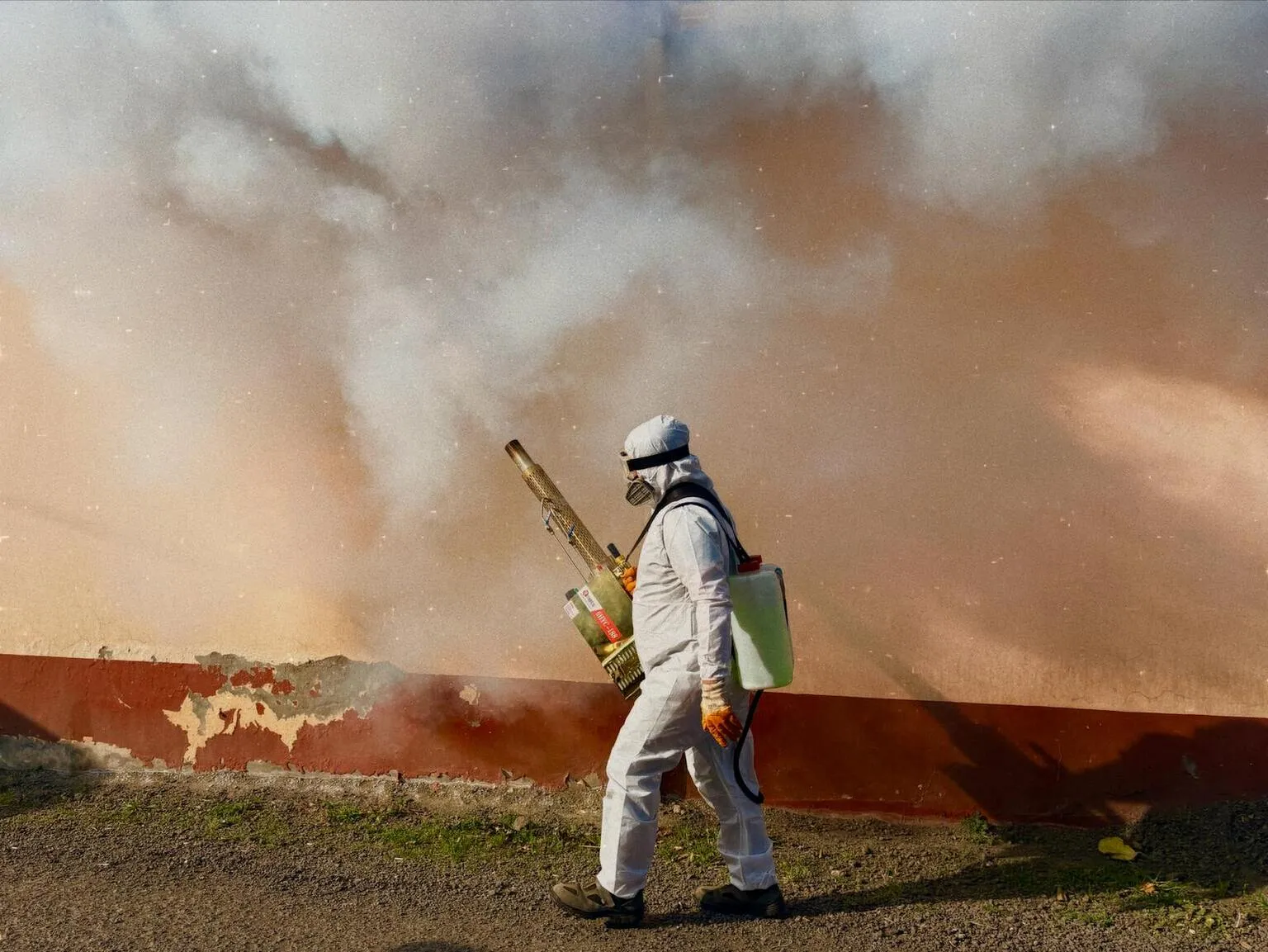
Austin has a strong market for Integrated Pest Management (IPM) and organic pest control services. The City of Austin’s Watershed Protection Department formally endorses IPM as its recommended approach, which prioritizes prevention, monitoring, and targeted treatment over broad-spectrum chemical application.
IPM Principles
- Identify correctly. Many insects are beneficial or harmless. Treatment should only target confirmed pest species.
- Monitor before treating. Use sticky traps, visual inspections, and threshold counts before applying any product.
- Physical and cultural controls first. Exclusion (sealing entry points), habitat modification (removing harborage), and sanitation reduce pest pressure without chemicals.
- Least-toxic chemical controls when needed. Boric acid, diatomaceous earth, botanical insecticides (pyrethrin, neem oil), and targeted gel baits before broad-spectrum sprays.
Pet and Child Safety
For households with children and pets, IPM and organic approaches reduce exposure risk. Key considerations:
- Gel baits (contained in stations) are safer than broadcast sprays around children and pets
- Diatomaceous earth (food-grade) is non-toxic to mammals but lethal to insects with exoskeletons
- Botanical pyrethrin breaks down rapidly in sunlight (low residual risk) but is toxic to cats and fish
- Always keep children and pets away from treated areas until products have dried (typically 30 to 60 minutes for sprays)
Several Austin-area companies hold the GreenPro certification from the National Pest Management Association, an eco-friendly distinction awarded to fewer than 1% of pest control companies nationwide.
The WDI Inspection: What Homebuyers Need to Know
A Wood Destroying Insect (WDI) report is a formal inspection conducted by a licensed pest control technician that identifies the presence or evidence of termites, carpenter ants, carpenter bees, and other wood-boring insects. In Texas, WDI reports are required for VA and FHA loans, and most conventional lenders strongly recommend them.
What the Inspection Covers
The inspector examines all accessible areas of the home, including the foundation, crawl spaces, attic, garage, and exterior, looking for:
- Live insects or swarmers
- Mud tubes on foundation walls or pier columns
- Damaged or hollow-sounding wood
- Frass (insect waste) near wood surfaces
- Evidence of prior treatment (drill holes, chemical staining)
- Conditions conducive to infestation (wood-to-soil contact, moisture issues)
Cost and Timing
A WDI inspection in the Austin area costs $75 to $150 and takes 30 to 60 minutes. It is typically ordered during the option period alongside the general home inspection. Some home inspectors offer a bundled WDI inspection at a reduced rate. The report is valid for 90 days for most lenders and 30 days for VA loans.
If the WDI report reveals active termite activity or damage, the buyer can negotiate treatment and repair costs with the seller during the option period. Common outcomes include the seller paying for treatment (liquid barrier or bait system installation) and a termite bond transferable to the buyer at closing.
Termite Bonds and Warranties
A termite bond is a service agreement between a homeowner and a pest control company that provides ongoing termite protection. Understanding the types of bonds and their costs is important for both current homeowners and buyers evaluating a property.
Types of Bonds
Retreat bond: If termites are found, the company re-treats at no additional charge. The homeowner is responsible for any repair costs. Initial cost: $300 to $800 per year.
Retreat-and-repair bond: The company re-treats and pays for termite damage repair (usually up to a specified dollar limit). Initial cost: $500 to $1,500 per year. This is the premium option that provides the most comprehensive protection.
Transferability
Most termite bonds are transferable to a new homeowner at closing, which can be a valuable selling point. Transfer fees typically run $50 to $150. The new owner must continue the annual renewal and inspection schedule to maintain coverage. For homebuyers, asking whether the property has an active termite bond during due diligence is a smart move, and lapsed bonds can usually be reinstated with a new inspection and treatment.
Preventing Pests Before They Start: A Homeowner Checklist
The most cost-effective pest control is prevention. According to Neuhaus Realty Group‘s analysis of home maintenance patterns in the Austin market, homeowners who follow a proactive prevention checklist spend 40% to 60% less on pest control over five years compared to those who only call for treatment after an infestation is established.
Exterior Maintenance
- Maintain a 12-inch gap between mulch or soil and the bottom of siding or stucco
- Direct sprinklers away from the foundation (moisture attracts termites and roaches)
- Trim tree branches to maintain 4 feet of clearance from the roofline
- Store firewood at least 20 feet from the home and elevated off the ground
- Keep gutters clean and ensure downspouts direct water at least 3 feet from the foundation
- Repair or replace damaged window screens
- Seal weep holes in brick veneer with stainless steel mesh (not caulk, which traps moisture)
Interior Maintenance
- Fix plumbing leaks promptly (dripping faucets and pipes under sinks attract roaches and silverfish)
- Use dehumidifiers in bathrooms and closets that lack ventilation
- Store pantry items in sealed containers (glass or heavy plastic)
- Vacuum regularly, especially along baseboards, under furniture, and in closets
- Keep the garage door closed when not in use (garages are the #1 pest entry point)
- Inspect packages and secondhand furniture for bed bugs before bringing them inside
Seasonal Inspections
- Spring (March): Walk the foundation perimeter looking for termite mud tubes. Check for fire ant mounds forming in the yard.
- Summer (June): Inspect the attic for rodent activity and wasp nests. Check exterior lighting for insect accumulation.
- Fall (October): Seal gaps in the roofline and around pipe penetrations before rodents move indoors. Check weatherstripping on doors.
- Winter (December): Inspect stored items in the garage and attic for rodent damage or insect activity.
For homebuyers evaluating properties in Central Texas, pest history is a legitimate concern. Requesting the seller’s pest control records, asking about any prior termite treatment, and reviewing the seller’s disclosure for pest-related items are all standard due diligence steps in this market.
Frequently Asked Questions
Choosing a Pest Control Provider in Central Texas
When selecting a pest control company for your Austin-area property, consider these factors:
Licensing. All pest control operators in Texas must be licensed through the Texas Department of Agriculture’s Structural Pest Control Service. Verify the company’s license status before signing any agreement.
Service agreement details. Get the scope of coverage in writing. A good service agreement specifies which pests are covered, how many treatments per year, what happens if pests return between visits (re-treatment guarantee), and the cancellation policy.
Local experience. Central Texas pest pressures differ significantly from other regions. A company with specific experience in Austin, the Hill Country, and surrounding areas will understand the scorpion, termite, and fire ant challenges unique to this market.
Insurance and warranties. The company should carry general liability insurance and offer written warranties on termite treatments. Ask whether the warranty is transferable if you sell the home.
Treatment philosophy. Companies range from conventional (broad-spectrum sprays) to organic/IPM (least-toxic targeted approaches). Neither is inherently better; the right choice depends on your pest pressure, property type, and comfort level with chemical applications. Homes with children, pets, or vegetable gardens may benefit from an IPM-focused provider.
Pest control is one of those ongoing costs of homeownership that belongs in every homeowner’s annual maintenance budget. In Central Texas, where warm temperatures and diverse terrain keep pest populations active nearly year-round, proactive prevention and regular professional treatment protect both your home’s structural integrity and your quality of life. Whether you are a current homeowner maintaining a property or a buyer evaluating a home during the closing process, understanding the pest landscape is part of understanding what it means to own property in this part of Texas.