
The average Austin home sold in 60 days in early 2026, according to MLS data analyzed by Neuhaus Realty Group, up from 45 days a year earlier and a stark contrast to the 7-day average during the 2021 frenzy. Travis County’s median closed price sits at $485,000, down from $525,000 in 2025. For sellers, this means the playbook has changed. The days of listing a home on Thursday and reviewing 12 offers by Monday are over for most properties. Selling a home in Austin in 2026 requires strategy, preparation, and realistic pricing.
That is not bad news. Homes that are properly prepared, accurately priced, and professionally marketed still sell at or near asking price within 30 to 45 days. The difference between a smooth sale and a frustrating one comes down to the decisions you make before the listing goes live.
This guide walks through the entire selling process, from the moment you decide to sell through closing day. It covers agent selection, pre-listing preparation, pricing strategy, marketing, showings, offer evaluation, negotiation, and the under-contract-to-close timeline.
The Selling Timeline: What to Expect
A typical Austin home sale in 2026 follows this timeline:
| Phase | Timeline | Key Activities |
|---|---|---|
| Decision to sell | 4 to 8 weeks before listing | Interview agents, get market analysis, plan preparation |
| Pre-listing preparation | 2 to 4 weeks | Repairs, decluttering, staging, photography |
| Active listing | 30 to 60 days (market average) | Showings, open houses, marketing, offer review |
| Under contract | 30 to 45 days | Option period, inspections, appraisal, title, closing prep |
| Closing | 1 day | Sign documents, transfer funds, hand over keys |
Total timeline from decision to closing: approximately 3 to 5 months. Planning ahead gives you time to make smart decisions rather than reactive ones.
Choosing a Listing Agent
Your listing agent is the single most important decision in the selling process. The right agent brings market expertise, negotiation skill, marketing capability, and a network of buyer’s agents, lenders, and contractors. The wrong agent costs you time, money, and stress.
What to Look For
- Local market knowledge: An agent who actively sells in your neighborhood knows the comps, the buyer pool, and the pricing dynamics. Ask how many homes they have sold in your area in the past 12 months
- Pricing strategy: A good agent shows you the data and recommends a price. A bad agent tells you what you want to hear. Ask each agent for their recommended list price and the reasoning behind it
- Marketing plan: Professional photography, video tours, social media advertising, and MLS syndication should be standard. Ask to see examples of their recent listings
- Communication style: How often will they update you? How do they prefer to communicate? Will you work directly with the agent or be handed off to a team member?
- Negotiation track record: Ask about their list-to-sale price ratio. In the current market, a skilled negotiator can mean tens of thousands of dollars difference
- Full-time commitment: Real estate is a full-time profession. Part-time agents may not be available when a time-sensitive situation arises
Questions to Ask Before Hiring
- How many homes have you sold in my area this year?
- What is your recommended list price, and what data supports it?
- What is your marketing plan for my specific property?
- What is your average days on market compared to the area average?
- How do you handle multiple offer situations? What about price reductions?
- What are your fees, and what do they include?
- Can I see reviews from recent sellers you have represented?
Pre-Listing Preparation: The Work That Pays Off
Every dollar spent on preparation before listing yields $3 to $5 at closing. This is not renovation advice. It is strategic preparation to present your home at its best.

Essential Repairs (Do These First)
- Fix everything visible: Leaky faucets, running toilets, cracked tiles, nail holes, scuffed paint, sticking doors, burned-out light bulbs. These small items create a cumulative impression of neglect
- Address known issues: If you know the HVAC is struggling, the roof has a leak, or the foundation has cracks, address them before listing. Buyers will discover these during inspection, and the negotiation from a position of weakness costs more than proactive repairs
- Fresh paint: Neutral colors (light gray, warm white, greige) in main living areas is the single highest-ROI preparation item. Budget $2,000 to $5,000 for a professional interior paint job on a standard home
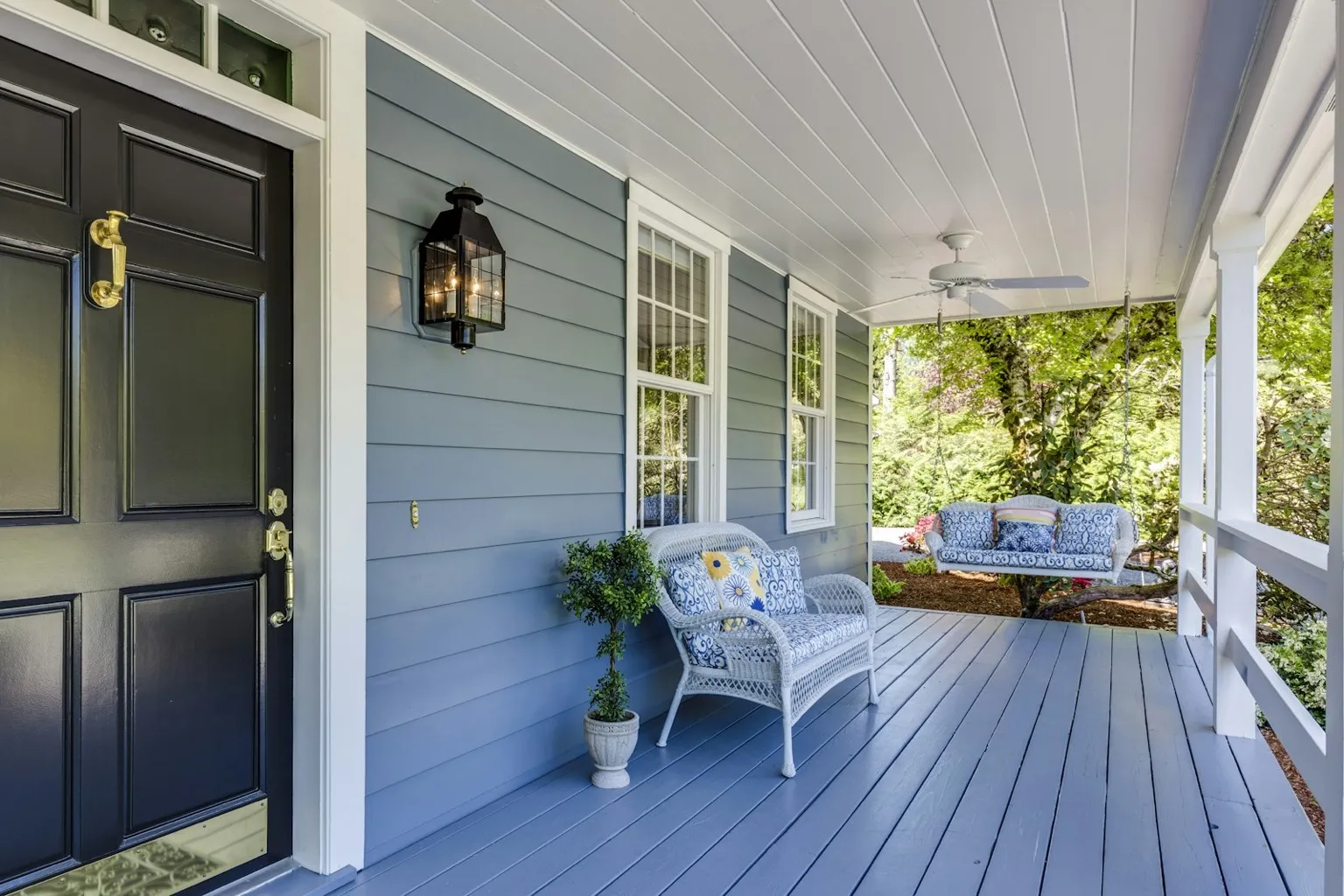
- Curb appeal: Pressure wash the driveway and walkways, refresh mulch beds, mow and edge the lawn, trim overgrown bushes, and clean the front door. First impressions happen before buyers walk inside
What NOT to Renovate Before Selling
Not all improvements pay off. Avoid these common money pits:
- Full kitchen remodel: A $40,000 kitchen renovation rarely returns more than $20,000 in additional sale price. Clean, paint cabinets, and update hardware instead
- Bathroom overhaul: Unless the bathroom is truly non-functional, cosmetic updates (new mirror, light fixture, fresh caulk, paint) are sufficient
- Swimming pool addition: Pools cost $50,000 to $100,000 to install but add only $15,000 to $30,000 in value in most Austin neighborhoods
- Over-personalized upgrades: That built-in home theater or custom wine cellar appeals to you, but may not appeal to the next buyer
Pricing Your Home: The Most Critical Decision
Pricing is where most sellers make their biggest mistake. In the current Austin market, overpricing by even 5% can add 30 to 60 days to your time on market and ultimately result in a lower sale price than if you had priced correctly from the start.
How a Comparative Market Analysis (CMA) Works
Your agent prepares a CMA by analyzing:
- Recently sold comparables: Homes similar in size, location, condition, and features that closed within the past 3 to 6 months. These are the most important data points
- Active listings: Your current competition. Buyers will compare your home to these when they search online and tour properties
- Pending sales: Homes under contract but not yet closed. These indicate where the market is heading
- Expired and withdrawn listings: Homes that did not sell, which often indicate overpricing
Adjustments are made for differences in square footage, lot size, condition, upgrades, and features. The result is a recommended price range that reflects what buyers are actually paying in your market. For more details on the CMA process, see our guide on how much your Austin home is worth.
Pricing Strategies for the 2026 Market
- Price at market: List at the CMA-supported value. This is the safest strategy and works well in a balanced market. Expect offers within 2% to 5% of list price
- Price slightly below market (2% to 3%): Generates more showings and potentially multiple offers. Works best for move-in-ready homes in desirable neighborhoods
- Price above market: High-risk strategy. The home may sit without showings, accumulate days on market, and eventually require price reductions that signal desperation to buyers. Only appropriate when your home has truly unique features with no direct comparables
Professional Photography and Marketing
In 2026, 97% of buyers start their home search online, according to the National Association of Realtors. Your listing photos are your first showing. Bad photos cost you showings, which cost you offers, which cost you money.
What Professional Marketing Includes
- Professional photography: 25 to 40 high-quality photos covering every room, the exterior, yard, and views. Cost: $200 to $500. This is non-negotiable
- Drone/aerial photography: Essential for properties with acreage, pools, or notable surroundings. Cost: $100 to $300
- Video walkthrough: A 2 to 3 minute video tour that gives online buyers a feel for the home’s flow and layout. Cost: $200 to $500
- 3D virtual tour (Matterport): Allows buyers to “walk through” the home from their phone or computer. Particularly valuable for out-of-town buyers relocating to Austin. Cost: $200 to $400
- Floor plan: A professional floor plan helps buyers understand room sizes and layout. Cost: $100 to $200
Your agent should include professional photography and MLS marketing as part of their service. If an agent suggests using their phone for listing photos, find a different agent.
Showings and Open Houses
Preparing for Showings
Once your home is listed, showings can be requested on short notice (sometimes 1 to 2 hours). Maintaining “showing ready” condition is one of the most stressful parts of selling. Practical tips:
- Keep countertops clear, beds made, and bathrooms clean daily
- Have a plan for pets during showings (take them with you or crate them away from main living areas)
- Leave the home during showings. Buyers cannot envision themselves in a home while the owner is present
- Turn on all lights, open blinds, and set the thermostat to a comfortable temperature before leaving
- Remove personal items (photos, religious items, political materials) that prevent buyers from imagining their own life in the space
Open Houses
Open houses generate traffic but rarely produce the winning buyer directly. Their primary value is creating a sense of urgency and activity around your listing. A well-attended open house signals demand to other agents and their clients. Your agent should host at least one open house on the first weekend after listing.
Reviewing and Evaluating Offers
When offers arrive, your agent presents each one and helps you evaluate the full package. Price is important, but it is not the only factor:
| Offer Element | What to Look For | Why It Matters |
|---|---|---|
| Price | Relative to your list price and CMA value | Obvious, but not the only factor |
| Earnest money | 1% to 3% of price; higher = more committed | Signals buyer seriousness |
| Option period | 5 to 10 days; shorter = less uncertainty | Your home is effectively off-market during this window |
| Financing type | Conventional, FHA, VA, or cash | Cash and conventional close faster with fewer hurdles. FHA has stricter appraisal requirements |
| Pre-approval strength | Fully underwritten vs. basic pre-qualification | Fully underwritten approvals are much more reliable |
| Contingencies | Appraisal gap coverage, financing, sale of existing home | Fewer contingencies = less risk for you |
| Closing timeline | 30 to 45 days typical | Align with your move-out needs |
| Seller concessions | Closing cost credits, rate buydowns | Reduce your net proceeds but may attract more buyers |
Ed Neuhaus, broker of Neuhaus Realty Group, emphasizes that the highest-price offer is not always the best offer. A $500,000 cash offer with a 5-day close and no contingencies may be worth more than a $515,000 FHA offer with inspection and appraisal risk. The best offer is the one most likely to close at the best terms. For detailed guidance on evaluating offers, see our post on how to evaluate, counter, and negotiate offers.
Negotiation: Finding the Deal
Most Austin transactions involve at least one round of negotiation. Common negotiation points include:
- Price adjustments: After inspection findings or appraisal results
- Repair requests: Buyers may ask for specific repairs based on the inspection report
- Closing cost credits: Instead of repairs, many buyers prefer a credit they can use toward their closing costs or to buy down their interest rate
- Timeline adjustments: Moving the closing date to accommodate either party’s schedule
- Personal property: Appliances, furniture, or fixtures that the buyer wants included
Effective negotiation balances firmness with pragmatism. Refusing all repair requests on a $2,000 HVAC issue might cost you a $485,000 sale. Your agent’s negotiation experience is worth every dollar of their commission in these moments.
The Under-Contract Phase: From Agreement to Closing
Once you accept an offer, the clock starts on a series of deadlines:
Option Period (Days 1 to 7)
The buyer’s due diligence window. Expect an inspection, and potentially specialty inspections (foundation, roof, pool, septic, well). The buyer may terminate for any reason during this period. If inspection findings arise, the buyer’s agent will present repair requests or credit proposals. For more on how the option period works, see our guide to earnest money and option periods in Texas.
Appraisal (Days 7 to 21)
The buyer’s lender orders an appraisal to confirm the property’s value supports the loan amount. If the appraisal comes in at or above the contract price, this phase is invisible to you. If it comes in low, expect renegotiation. For details on how appraisals work, see our guide to home appraisals in Texas.
Title and Survey (Days 7 to 25)
The title company searches the property’s ownership history, identifies any liens or encumbrances, and prepares the title commitment. A survey confirms property boundaries. Resolve any title issues promptly to avoid closing delays. For more on title insurance, see our guide to title insurance in Texas.
Final Walkthrough (Day Before Closing)
The buyer does a final walkthrough to confirm the property is in the agreed-upon condition, repairs have been completed, and nothing has changed since the inspection. Make sure the home is clean, all agreed-upon repairs are done, and all personal property has been removed (unless included in the sale).
Closing Day
You sign the deed, settlement statement, and other closing documents at the title company. The buyer’s lender funds the loan, the title company records the deed, and proceeds are distributed. In Texas, closings are “dry funded,” meaning the title company receives the funds before closing but does not distribute them until the deed is recorded with the county clerk. This typically adds 1 to 2 business days between signing and receiving your proceeds via wire transfer.
Texas Seller Disclosure Requirements
Texas law (Property Code Section 5.008) requires sellers to provide a Seller’s Disclosure Notice to the buyer. This is a detailed form covering the property’s condition, known defects, and history of repairs. Key points:
- Honesty is required: Sellers must disclose known material defects. Failure to disclose can result in post-sale lawsuits
- “As-is” does not eliminate disclosure: Even in an as-is sale, you must still provide the disclosure. “As-is” means you are not obligated to make repairs, not that you can hide known problems
- Common disclosure items: Foundation repairs, roof age and repairs, water intrusion history, HVAC issues, plumbing problems, electrical issues, pest treatment history, flood history, and insurance claims
- Exemptions: Some sellers are exempt from disclosure requirements (estates, foreclosures, court-ordered sales), but providing a disclosure anyway is best practice
What to Do When Your Home Is Not Getting Offers
If your home has been on the market for 21 or more days without a strong offer, something needs to change. The three most common culprits:
Price
This is the issue 80% of the time. If your home is getting showings but no offers, it may be priced 5% to 10% too high. If it is getting few or no showings, it may be priced even higher. Your agent should analyze showing feedback and compare your metrics (views, saves, showing requests) to similar listings.
The price reduction conversation is uncomfortable but necessary. A strategic reduction (typically 3% to 5%) repositions your home in front of a new pool of buyers who are searching in a lower price bracket. One well-timed reduction is better than three small “death by a thousand cuts” reductions that signal desperation.
Condition
If buyers are visiting but not offering, the home’s condition relative to its price may be the issue. Showing feedback like “needs updating,” “too much deferred maintenance,” or “photos looked better than reality” all point to condition concerns. Consider pre-listing repairs you may have skipped or a staging refresh.
Photos and Marketing
Low online engagement (views, saves, click-through rate) may indicate poor photography or an underwhelming listing description. Compare your listing’s online presentation to the top-performing competing listings. If theirs look better, invest in new photos.
Seller Concessions in the 2026 Austin Market
Seller concessions (credits the seller pays toward the buyer’s closing costs or rate buydown) have become increasingly common in 2026. In Q1 2026, approximately 35% to 40% of closed Austin transactions included some form of seller concession, up from less than 10% during the 2021 to 2022 seller’s market.
Common concession types:
- Closing cost credit: The seller credits the buyer a fixed dollar amount (e.g., $5,000 to $15,000) to reduce their cash needed at closing. This is the most straightforward concession
- Rate buydown: The seller pays discount points to reduce the buyer’s interest rate. A 2-1 buydown (rate reduced by 2% in year one, 1% in year two) has become particularly popular. On a $400,000 loan, a 2-1 buydown costs approximately $8,000 to $10,000
- Home warranty: The seller purchases a one-year home warranty ($500 to $700) covering major systems and appliances. Low cost, high perceived value
- Repair credits: Instead of completing repairs, the seller credits the buyer the estimated cost, letting the buyer handle repairs after closing on their own timeline
From a seller’s perspective, concessions reduce your net proceeds, but they also expand the buyer pool. A buyer who cannot afford $15,000 in closing costs may be able to buy your home if you credit $10,000. The math works if the concession helps you sell faster and at a higher gross price than you would get after a price reduction.
Selling and Buying Simultaneously
One of the most stressful aspects of selling is coordinating the sale of your current home with the purchase of your next one. Austin sellers have several options:
Sell First, Then Buy
The safest financial approach. You sell your current home, move to temporary housing (rental, family, short-term), and then buy your next home as a non-contingent buyer with cash from the sale. Downside: two moves and temporary housing costs.
Buy First, Then Sell
Requires the financial ability to carry two mortgages temporarily. Advantages include choosing your next home without time pressure and moving once. Disadvantages include financial risk and the possibility of carrying two payments for months.
Bridge Loan
A short-term loan (typically 6 to 12 months) that uses your current home’s equity to fund the purchase of your next home. You sell the current home and pay off the bridge loan. Costs include 1% to 2% origination fee plus interest. Best for homeowners with significant equity.
Contingent Sale
Making your purchase contingent on selling your current home. This was rarely accepted during the seller’s market but is more viable in 2026. However, sellers still prefer non-contingent offers, so you may need to strengthen your offer in other ways (higher price, larger earnest money, flexible closing date).
Coordinated Closings
Your agent coordinates the sale and purchase to close on the same day or within a few days. This requires careful timing and a backup plan if one transaction hits a delay. An experienced agent and title company are essential for this approach. For more strategies, see our post on how to sell and buy at the same time in Austin.
Moving Logistics After the Sale
Once you have a closing date, the logistics begin:
- 4 weeks before closing: Get moving quotes (at least three). Book movers early, especially during summer peak season (May through August). Begin packing non-essential items
- 3 weeks before: Transfer or cancel utilities (electric, gas, water, internet, trash). Set up forwarding with USPS. Start notifying banks, insurance companies, and subscriptions of your address change
- 2 weeks before: Schedule a deep clean for move-out day. Confirm the closing date with your agent and title company. Pack methodically, labeling boxes by room
- 1 week before: Confirm moving company details. Pack remaining items. Clean behind appliances and in closets
- Move-out day: Remove all personal property. Clean the home thoroughly (many sellers hire professional cleaners for $200 to $400). Do a final walkthrough yourself to catch anything left behind. Leave all keys, garage remotes, and gate codes for the buyer
Capital Gains and Tax Implications
Before selling, understand the tax implications:
- Primary residence exclusion: If you have lived in the home as your primary residence for at least 2 of the past 5 years, you can exclude up to $250,000 (single) or $500,000 (married filing jointly) of capital gains from federal income tax
- Capital gains calculation: Sale price minus your cost basis (purchase price + closing costs + capital improvements) minus selling costs (commissions, closing costs) = capital gain
- Texas has no state income tax: One of the benefits of selling in Texas. No state capital gains tax regardless of the amount
- 1031 exchange: If you are selling an investment property (not your primary residence), a 1031 exchange allows you to defer capital gains by reinvesting proceeds into a like-kind property within specific timelines
Consult a tax professional for advice specific to your situation, especially for high-value homes where capital gains may exceed the exclusion amount. For a detailed breakdown of all selling costs, see our guide to seller closing costs in Texas.
Special Selling Situations in Austin
Selling in an HOA Community
If your home is in an HOA, prepare for additional requirements: HOA resale certificate (typically $200 to $400, paid by the seller in Texas), disclosure of all HOA rules and fees to the buyer, verification that all dues are current, and notification of any pending special assessments. Allow 7 to 10 business days for the management company to produce the resale certificate.
Selling a Home with Tenants
If your property has tenants, the sale process has additional layers. Month-to-month tenants can be given 30 days written notice. Tenants on a fixed-term lease have the right to remain through the lease term, and the new buyer inherits the lease. Occupied properties generally sell for less than vacant ones due to showing difficulties and buyer perception. Work with your tenants to coordinate showings and present the property in the best possible light.
Selling After a Divorce
Texas is a community property state, which means both spouses must agree to the sale and sign the deed. If the divorce decree awards the property to one spouse, that spouse needs proper documentation (the decree itself) for the title company. Selling during divorce proceedings requires additional legal coordination. For a comprehensive look at this situation, see our post on divorce and real estate in Texas.
Selling an Inherited Home
Inherited properties require proper documentation of the transfer (through probate, affidavit of heirship, or transfer-on-death deed). The tax basis for inherited property is “stepped up” to the fair market value at the time of the decedent’s death, which can significantly reduce or eliminate capital gains tax. Work with both a probate attorney and your real estate agent to navigate this process correctly.
Selling a Home with Foundation Issues
Foundation problems are common in Central Texas due to expansive clay soils. If your home has foundation issues, you have two options: repair before listing (costs $5,000 to $25,000+ depending on severity) or disclose and price accordingly. Most buyer’s agents recommend against purchasing a home with unrepaired foundation issues, so repairing before listing generally produces a better outcome. Get multiple engineering estimates and repair bids, and offer the buyer a transferable foundation warranty.
Selling a Home in a Flood Zone
Properties in FEMA Special Flood Hazard Areas face additional challenges: smaller buyer pool (many buyers avoid flood zones), flood insurance costs that affect affordability calculations, potential stigma from prior flood events, and FHA/VA requirements for flood insurance. Price accordingly and be transparent about flood history and insurance costs. Providing the buyer with your current flood insurance policy details and premium amount helps them understand the true cost of ownership.
Austin Seller Resources and Contacts
As you navigate the selling process, these local resources may be helpful:
- Travis Central Appraisal District (TCAD): Verify your property’s tax assessed value and homestead exemption status
- City of Austin Permit Office: Confirm all permits are in order for any work done on the property
- Texas Real Estate Commission (TREC): Access standard contract forms and verify your agent’s license status
- Austin Board of Realtors (ABoR): Local market statistics and trends
- Texas Department of Insurance (TDI): Title insurance rate information and complaint filing
Frequently Asked Questions
The Bottom Line on Selling Your Home in Austin
Selling a home in Austin’s 2026 market requires a different approach than the pandemic-era frenzy. Preparation matters more. Pricing accuracy matters more. Marketing quality matters more. But homes that check these boxes still sell well, at strong prices, with manageable timelines.
Start with the right agent, invest in pre-listing preparation, price based on data (not emotion), and let professional marketing attract qualified buyers. The result is a smoother transaction, fewer surprises, and more money in your pocket at closing.
For a personalized selling strategy for your Austin or Hill Country home, reach out to Neuhaus Realty Group. With deep local market knowledge and a data-driven approach to pricing and marketing, we help sellers maximize their results in any market condition.