 Ed
Ed 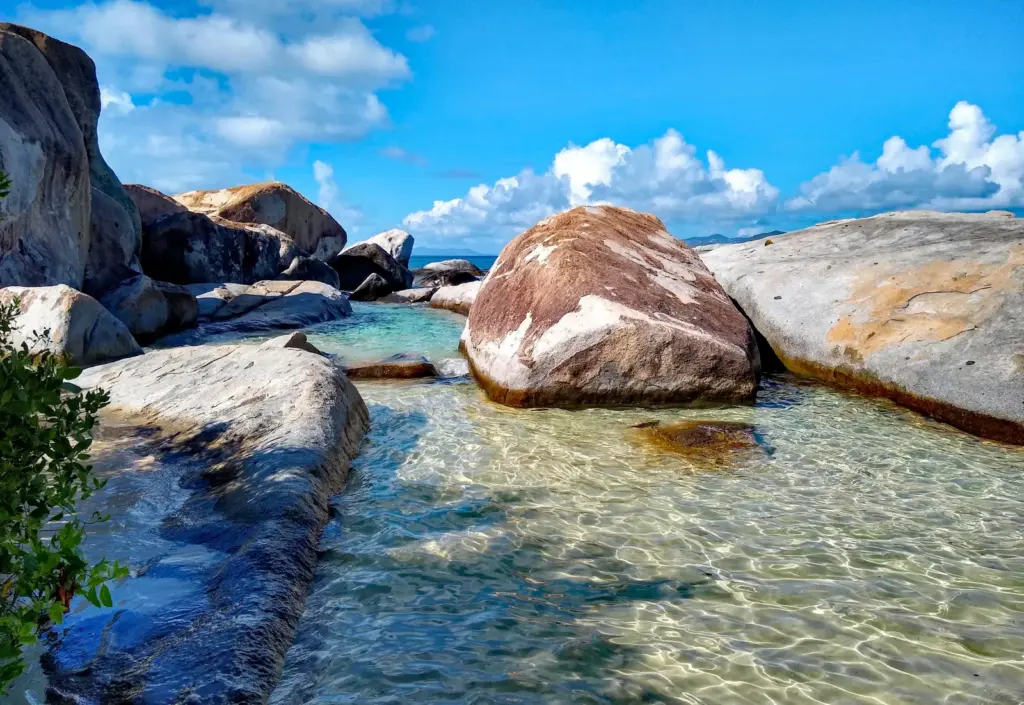
I didn’t want to go to camp.
I was 14 and I’d already done camp, regular camp, the woods, the cabins, the whole thing. (That’s its own story, and not a flattering one.) I was done. But my mother had decided I was going somewhere that summer, and on this she did not negotiate. Fine, she said, you don’t have to go back to that camp. But you’re going to a camp. Go find one.
And then she sent me to the library to do it myself.
Here’s the part that matters, though: I already loved the water. I grew up on it. By 14 I knew how to sail, really sail, and I was racing sailboats by then. Me and boats were tight. So this wasn’t a kid being shipped off to suffer through an activity. I was looking for a way to do the one thing I actually wanted to do.
So I rode my bike up to the library, this is 1993, no Google, you want to know something you pull a book off a shelf, and checked out a book about summer camps. Page after page of them. And somewhere in there I found one called Sail Caribbean.
Sail Caribbean, still around, you can go look, takes teenagers, puts them aboard fifty-foot sailboats in the middle of the British Virgin Islands and the French West Indies, and teaches them to live aboard and run the boat. Navigate, crew, cook, clean, sail the thing for real. For a kid who was already racing dinghies and itching to get on bigger water, this wasn’t a camp. It was the dream.
I brought it to my parents half as a bluff, not because I didn’t want it, but because I was sure they’d never go for it. Here’s the camp I want. Point at the most outrageous, most expensive thing in the book and dare them. I figured I’d found the one option absurd enough that the whole “you’re going to camp” thing would quietly die, and I’d get my summer back.
They said yes.
So that’s how a kid from Houston who already knew his way around a boat ended up, a few months later, on a fifty-footer named Four Play with eight strangers and a skipper named Cameron, finally turned loose on the kind of water I’d only read about.
And one of the places that bike ride took me was The Baths.
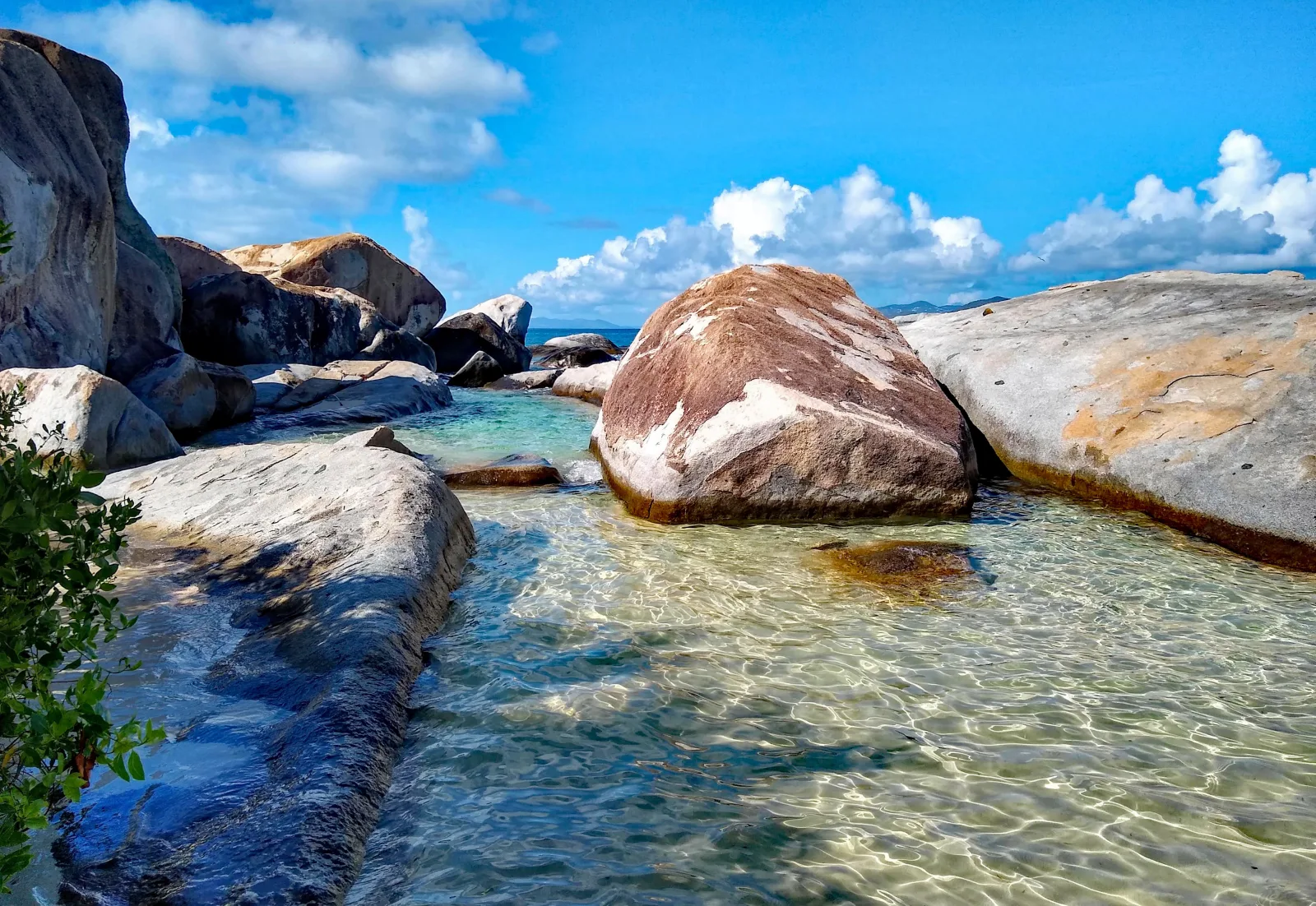
If you’ve never seen The Baths, on the south end of Virgin Gorda: imagine granite boulders the size of houses spilled along a beach, and a few million years of ocean carving the spaces underneath into caves and tidal pools and cathedral rooms where the light comes down in bars through the gaps in the rock. You don’t walk through The Baths. You climb. You wade. You squeeze through a slot between two boulders and come out somewhere quieter, water up to your chest, cool and dim, the whole ocean happening twenty feet away through a crack in the stone.
I knew boats. I did not know anything could look like that. There’s no record of me complaining about The Baths, and if you know what I was like at 14, that’s how you know it landed.
That night somebody pulled out a guitar, and we swam in the moonlight, and whoever was stuck writing the log wrote the only line the day needed: “It was a blissful night.” Blissful, from the same logbook whose other entries that week include “very tiring” and “pure hell.”
I knew how to sail. I didn’t know how lucky I was. A kid called his mother’s bluff, and the library put him under the moon in the Caribbean, exactly where the water had been pulling him the whole time.
Blissful. It really was.
— Ed


