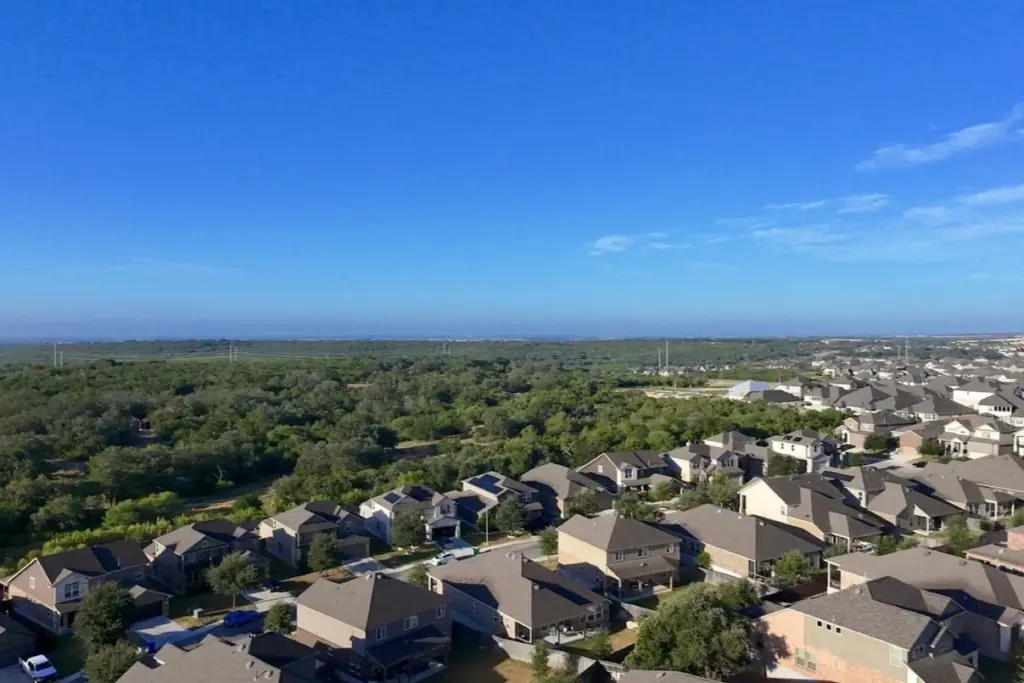
Texas can complete a home foreclosure in as few as 41 days. That is the minimum statutory clock: a 20-day notice to cure the default followed by a 21-day notice of sale, both spelled out in Texas Property Code Section 51.002. Almost every foreclosure in the state happens without a courtroom, on the first Tuesday of the month, on the courthouse steps, for cash.
That speed is the single most important fact for anyone hoping to buy a foreclosure in Austin. It means distressed properties move fast, deals close faster, and the window to negotiate directly with a struggling owner is short. It also means the riskiest way to buy, the courthouse auction, gives you almost no time and almost no protection, while the safest way, a bank-owned resale, looks and feels close to a normal purchase.
This guide breaks down the three ways to buy a foreclosure in Central Texas: pre-foreclosure (before the sale), the courthouse auction (the sale itself), and REO or bank-owned (after the sale). It covers where to find listings, how Texas lien priority and redemption rules work, what financing is available including FHA 203(k) renovation loans, and the specific traps that turn a “deal” into a money pit. Foreclosure buying rewards preparation and punishes improvisation, so the details below matter more here than in an ordinary home purchase.
The Three Ways to Buy a Foreclosure in Texas (2026)
Every foreclosure purchase falls into one of three windows, defined by timing relative to the auction. Each has a different price ceiling, risk level, and financing reality.
| Window | When | How you pay | Inspection? | Title risk | Best for |
|---|---|---|---|---|---|
| Pre-foreclosure | After default, before the auction | Any (cash, conventional, FHA) | Usually yes | Low to moderate | Patient buyers who can find and negotiate with owners |
| Courthouse auction | First Tuesday, at the sale | Cash only, same day | No | High | Experienced investors with cash and title knowledge |
| REO / bank-owned | After the bank takes it back | Any (cash, conventional, FHA, 203k) | Yes | Low (insurable title) | Owner-occupants and most buyers |
For most people reading this, the REO window is the right answer. It carries the least risk, allows financing, and gives you a clear, insurable title. The auction window offers the deepest discounts but is unforgiving. Pre-foreclosure sits in between, rewarding buyers who are willing to do the legwork of finding owners before their homes ever reach the courthouse steps.

How Foreclosure Actually Works in Texas
Texas is a non-judicial foreclosure state, and that changes everything about buying one. In roughly 22 states, a lender must file a lawsuit and get a judge’s approval before selling a home, a process that can drag on for a year or more. Texas does not require that. Instead, the deed of trust that a Texas borrower signs at closing contains a “power of sale” clause. That clause lets the lender, through a trustee, sell the property at public auction after following the notice steps in the statute, no judge involved.
The typical Texas timeline runs like this. A borrower misses payments. After the loan is seriously delinquent, the mortgage servicer sends a notice of default and intent to accelerate, giving the borrower at least 20 days to cure the default when the property is the borrower’s residence. If the borrower does not catch up, the servicer accelerates the loan (declares the full balance due) and files a notice of sale. That notice of sale must be given at least 21 days before the auction, and it is delivered three ways at once: posted at the courthouse door of the county where the property sits, filed with the county clerk, and mailed by certified mail to the borrower.
Add the two required periods together and the statutory minimum is about 41 days from the first cure notice to the auction. In practice, the full arc from a first missed payment to a courthouse sale usually takes several months, because servicers are required to give federal pre-foreclosure notices and often work through loss-mitigation review first. But once the notices go out, the clock is genuinely short.
The First Tuesday Sale
Texas foreclosure auctions happen on the first Tuesday of every month, between 10:00 a.m. and 4:00 p.m., at a location the county commissioners court has designated (usually a specific entrance or area at or near the courthouse). The sale has to begin at the time stated in the notice, or within three hours after it. One quirk worth knowing: if the first Tuesday lands on January 1 or July 4, the sale moves to the first Wednesday.
In Travis, Williamson, and Hays counties, dozens or hundreds of properties can be posted for a given first Tuesday, though many get pulled at the last minute when the borrower reinstates, files bankruptcy, or sells. The list you research on Monday is not the list that actually sells on Tuesday. That volatility is normal, and it is why auction buyers show up with backup targets.
Why Texas Forecloses So Fast
The non-judicial model exists because Texas law favors an efficient, contract-based remedy. The power-of-sale clause is a private agreement, enforced through statutory notice rather than litigation. For lenders, that means lower costs and faster recovery. For buyers, it means opportunities cycle quickly and the distressed-property pipeline refills every month. For struggling homeowners, it means less time to react, which is exactly why the pre-foreclosure window can be a place to help an owner avoid the worst outcome while structuring a fair purchase. Our complete guide to Texas real estate law covers the broader legal framework these rules sit inside.
Window One: Buying in Pre-Foreclosure
Pre-foreclosure is the period after a homeowner has defaulted but before the property sells at auction. The owner still holds title. They are often motivated, sometimes desperate, and frequently unaware of every option available to them. Buying here means negotiating directly with that owner, which can produce a fair price for you and a graceful exit for them.
There are two main ways to buy in this window. The first is a straightforward purchase: the owner has equity, wants out before the foreclosure wrecks their credit, and sells to you at a negotiated price, often below full retail because of the time pressure. The second is a short sale, where the owner owes more than the home is worth and the lender agrees to accept less than the full loan balance to avoid the cost of foreclosing. Short sales can deliver real discounts but move slowly, because the lender has to approve the price, and that approval can take weeks or months.
Finding Pre-Foreclosures
Because the notice of sale is a public document filed with the county clerk, pre-foreclosure properties are findable. In Travis, Williamson, and Hays counties, the county clerk maintains foreclosure notice records, and the notices are also posted at the courthouse. Some title companies and data services compile these postings into searchable lists. When you see a notice of sale, you are looking at an owner who has roughly three weeks before their home hits the auction block, which is a narrow but real window to make contact and structure a deal.
Approaching a homeowner in default calls for tact, not a hard sell. These are people under stress. The buyers who succeed in this window lead with a genuine solution: a fast, clean purchase that lets the owner walk away with dignity and, when there is equity, with cash in hand. If you are buying as an investor, our Austin investment property guide covers how to underwrite these deals so the numbers actually work.
Pre-Foreclosure Advantages and Cautions
The advantage of buying pre-foreclosure is control. You can usually inspect the home, you can typically use financing, and you get clean title through a normal closing with a title company. The caution is that you are dealing with a property whose owner is in financial distress, which sometimes means deferred maintenance, unpaid HOA dues, tax delinquency, or other liens. A thorough title search before you commit is non-negotiable, and a professional home inspection is worth every dollar. Do not assume a distressed owner has kept up the roof, the HVAC, or the foundation.
Window Two: Buying at the Courthouse Auction
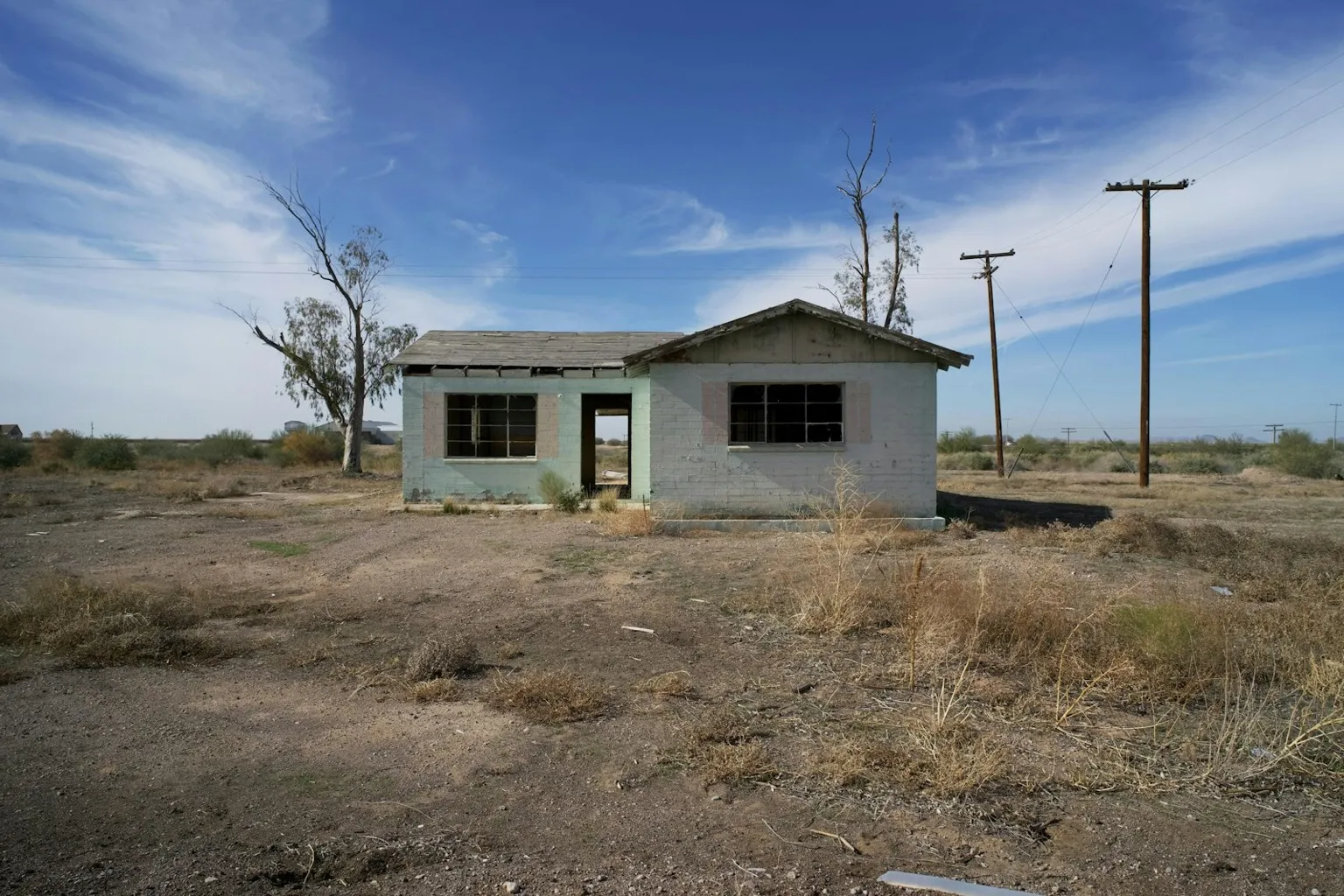
The courthouse auction is where the deepest discounts live and where the most money gets lost. If you buy here, you are buying with cash, sight unseen, as-is, with no financing contingency, no inspection, no survey, and no guarantee that the title is clean. The trustee conducting the sale conveys the property with a trustee’s deed, which carries no warranties. What you win at the auction is whatever interest the foreclosing lien had, subject to anything senior to it.
That last point is the one that catches new bidders. A foreclosure sale extinguishes liens junior to the one being foreclosed, but senior liens survive and become your problem. If you buy at a second-lien foreclosure, the first mortgage is still attached to the property. If you buy at an HOA assessment-lien foreclosure, a first mortgage almost always survives and you take the home subject to it. Property tax liens are superior to nearly everything and generally survive a mortgage foreclosure. Winning the auction is not the same as owning the home free and clear.
How the Auction Works
Show up at the designated area at the courthouse before the posted time. The trustee announces the sale and opens bidding, which usually starts at the amount the lender is owed (the “opening bid” or credit bid). If no third party bids higher, the lender takes the property back and it becomes REO. If you outbid the lender, you win. Payment is due immediately or the same day, typically by cashier’s check, and the exact requirements vary by trustee, so confirm them in advance. There is no financing, no loan contingency, and no going back if you change your mind.
The Occupancy Problem
The person you just bought the house from may still be living in it. A foreclosure sale does not automatically remove the former owner or any tenants. In Texas, the new owner must go through the eviction process to gain possession if the occupants will not leave voluntarily. That means serving a notice to vacate and, if necessary, filing a forcible detainer (eviction) action in justice court. Tenants with a valid lease may have additional rights. Budget for the possibility that you will own a home you cannot enter for weeks, and factor eviction costs and time into your numbers. Our Texas real estate law guide and general landlord-tenant rules govern how that process unfolds.
Who Should Buy at Auction
Auction buying suits experienced investors who have cash on hand, who can read a title chain and understand lien priority, who can absorb the cost of an unexpected senior lien or a gut renovation, and who can wait out an eviction. For a first-time buyer or an owner-occupant, the auction is usually the wrong door. The discount is real, but so is the risk, and one bad title surprise can erase the savings from several good buys.
Window Three: Buying REO (Bank-Owned) Homes
When a property does not sell at auction, it reverts to the lender and becomes “real estate owned,” or REO. This is the window most buyers should use. The bank now holds clear title, has usually cleared the junior liens and often the tax arrears, and wants the property off its books. REO homes are typically listed on the MLS with a real estate agent, priced at market or slightly below, and sold much like any other home.
The advantages are substantial. You can finance an REO with a conventional loan, an FHA loan, a VA loan, or a renovation loan. You get an inspection period. You buy with an owner’s title policy, so a title company insures that you are getting clean title, which is the protection you completely lack at the auction. Our Texas title insurance guide explains why that policy matters and what it covers.
The trade-offs: REO homes are sold as-is, so the bank will rarely make repairs, and you should price the condition into your offer. Banks can be slow to respond and often use their own addenda that shift risk to the buyer. And because REO homes are now priced closer to market, the discount is smaller than at auction. What you give up in price, you gain in safety and financeability. For the mechanics of getting to the closing table, see our Texas closing process guide.
Where to Find Foreclosures in Central Texas
Foreclosure inventory comes from several distinct pipelines, and knowing which is which saves time and money.
| Source | Stage | What it lists | Cost to access |
|---|---|---|---|
| County clerk foreclosure notices (Travis, Williamson, Hays) | Pre-foreclosure / auction | Notices of sale for upcoming first-Tuesday auctions | Free (public record) |
| HUD HomeStore (hudhomestore.gov) | REO | FHA-insured homes the government took back | Free |
| Fannie Mae HomePath | REO | Fannie Mae-owned homes | Free |
| Freddie Mac HomeSteps | REO | Freddie Mac-owned homes | Free |
| VA REO listings | REO | Homes from foreclosed VA loans | Free |
| The MLS (through your agent) | REO / short sale | Bank-owned and short-sale homes listed for resale | Free with an agent |
| Paid “foreclosure list” subscription sites | All | Aggregated (often stale) data | Monthly fee |
Government and GSE Channels
When the FHA pays a claim on a foreclosed FHA loan, the home becomes a HUD home and is sold through HUD HomeStore. HUD homes have an owner-occupant priority period, giving people who will actually live in the home a head start on bidding before investors can participate. Fannie Mae sells its REO through HomePath and Freddie Mac through HomeSteps, and both run a “First Look” period during which owner-occupants and certain public entities can bid before investors. These channels are worth watching because they are transparent, financeable, and often overlooked by buyers who assume foreclosures only happen at the courthouse.
A Warning About Paid Foreclosure Lists
Plenty of websites sell subscriptions promising exclusive foreclosure listings. Be skeptical. Much of what they aggregate is public record you can access for free through the county clerk, and their data is frequently out of date, listing homes that already sold or where the owner already reinstated. Before you pay a monthly fee, remember that the notices of sale are public and that a knowledgeable local agent can surface REO and short-sale inventory on the MLS at no cost to you. Ed Neuhaus, broker of Neuhaus Realty Group, notes that most Austin-area buyers overpay for foreclosure data they could have pulled from the Travis County clerk for nothing.
Due Diligence: Title, Liens, and Priority
The most expensive foreclosure mistakes are title mistakes. Before you commit a dollar, you need to understand what liens are attached to the property and where they rank, because a foreclosure sale only wipes out the interests junior to the lien being foreclosed. Everything senior survives and rides along with the property to its new owner.
Lien Priority in Plain English
Liens generally rank by the date they were recorded, with important exceptions. A first mortgage recorded when the home was purchased usually sits at the top of the private-lien stack. A second mortgage or a HELOC recorded later is junior to it. If the first mortgage forecloses, it wipes out the second. If the second mortgage forecloses, the first survives. Property tax liens are a special case: they are superior to nearly all other liens and typically survive a mortgage foreclosure, meaning unpaid property taxes become the buyer’s responsibility. Our Austin property tax guide explains how Travis County assessment and collection work.
| Lien type | Typical priority | Survives a first-mortgage foreclosure? |
|---|---|---|
| Property tax lien | Superior to almost everything | Generally yes |
| First mortgage / deed of trust | Senior private lien | It is the one foreclosing |
| Second mortgage / HELOC | Junior | No (wiped out) |
| HOA assessment lien | Usually junior to first mortgage | Wiped by a first-mortgage foreclosure |
| Mechanic’s / judgment lien | By recording date | Depends on timing |
Do a Title Search Before You Bid or Offer
For an REO or pre-foreclosure purchase, a title company runs the search and issues a title commitment, and you buy an owner’s policy that insures against defects. That is your safety net. At the courthouse auction there is no such net, so serious auction buyers run their own title research in advance, checking the county records for senior liens, tax delinquency, and bankruptcy filings that could delay or void the sale. If you cannot confidently read a title chain, the auction is not your window. A reputable Texas title company is one of the most valuable partners in any foreclosure purchase.
Property Condition: Expect the Worst
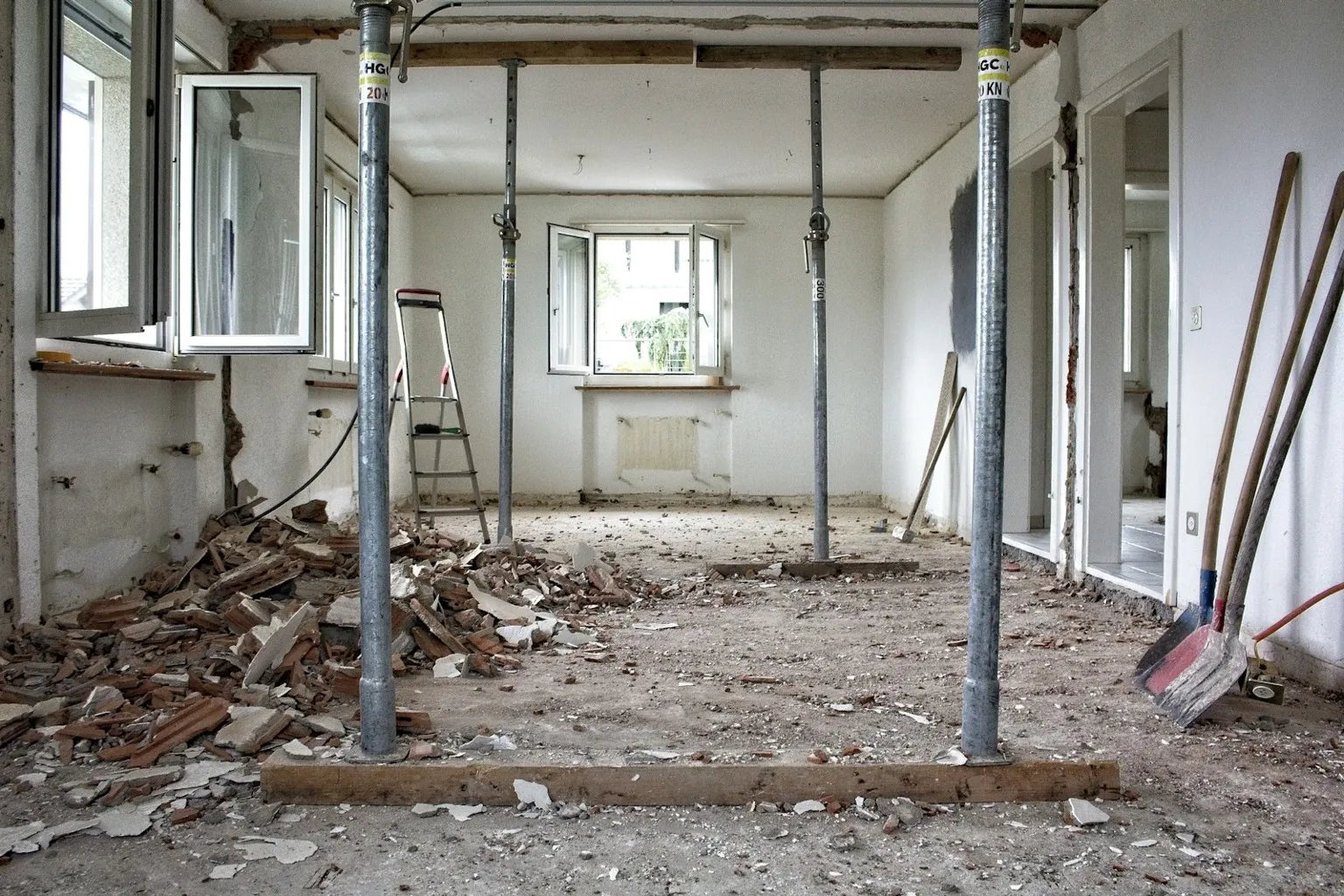
Foreclosed homes are frequently in rough shape. An owner losing a home to foreclosure has little incentive and often no money to maintain it. Homes sit vacant, sometimes for months, which invites pipe damage, mold, pest infestation, and vandalism. Occasionally departing owners strip appliances, fixtures, or copper. In Central Texas, the item that most often turns a foreclosure “deal” into a loss is the foundation, because the region’s expansive clay soils can cause costly structural movement that a cosmetic walkthrough will not reveal.
If you are buying REO or pre-foreclosure, get a full inspection during your option period. Our Austin home inspection guide covers what to look for, and the earnest money and option period guide explains how Texas gives you a paid window to inspect and walk away. If you are buying at auction, you cannot inspect the interior at all, so you must underwrite as if the home needs a full renovation. Assume the roof, HVAC, plumbing, and foundation all need work, and treat it as a pleasant surprise if they do not.
Financing a Foreclosure Purchase
How you pay depends entirely on which window you use.
Cash
Cash is mandatory at the courthouse auction and it is an advantage everywhere else. Cash offers close fast, carry no appraisal or financing contingency, and appeal to banks selling REO. If you are competing for a desirable REO home, a cash offer often beats a higher financed offer because it is more certain to close.
Conventional and Government Loans
For pre-foreclosure and REO purchases, you can generally use a conventional loan, an FHA loan, or a VA loan, provided the home is in livable condition. The catch: standard financing requires the property to meet minimum condition standards. A home with a missing furnace, no working plumbing, or a caved-in roof may not qualify for a standard mortgage, which is where renovation loans come in. Start with our Austin mortgage guide to understand the baseline options, and if the seller had an assumable loan, our assumable mortgage guide is worth a read.
FHA 203(k) Renovation Loans
The FHA 203(k) loan is purpose-built for exactly the fixer-upper foreclosures many buyers are drawn to. It rolls the purchase price and the cost of repairs into a single mortgage, so you can buy a home that would not otherwise qualify for financing and fund the work to make it livable. There are two versions. The Limited 203(k), formerly called the Streamline, covers non-structural repairs up to $75,000 (a cap HUD raised from $35,000 in November 2024). The Standard 203(k) handles larger and structural projects with no fixed dollar cap beyond your area’s FHA loan limit, and it requires a HUD consultant to oversee the work.
The key eligibility rule: the 203(k) is for owner-occupants. The home must be your primary residence, so investors cannot use it to flip. The property generally must be at least one year old, and it can have one to four units. For an owner-occupant buying a beat-up REO in a good Austin neighborhood, a 203(k) can be the difference between an impossible purchase and a smart one. Just build a realistic repair budget and a timeline before you sign, because renovation loans reward planning and punish surprises.
Right of Redemption: The Texas Rules
Redemption is the right of a former owner (or certain lienholders) to reclaim a foreclosed property after the sale by paying the buyer back. Whether a redemption right exists in Texas depends entirely on what kind of foreclosure it was, and getting this wrong can mean losing a property you thought you owned. Here is how the three main scenarios break down.
| Foreclosure type | Redemption right? | Period | What the redeemer pays |
|---|---|---|---|
| Mortgage / deed-of-trust | No | None | N/A. Sale is final at the auction. |
| HOA assessment lien | Yes | 180 days from notice mailing | Purchase price plus costs, assessments, and reasonable amounts |
| Tax sale (homestead or agricultural) | Yes | 2 years | Bid amount plus a redemption premium (25% year one, 50% year two) |
| Tax sale (other property) | Yes | 180 days | Bid amount plus up to a 25% premium |
Mortgage Foreclosures: No Redemption
This is the one people most often misunderstand. In Texas, a standard mortgage or deed-of-trust foreclosure carries no statutory right of redemption. Once the property sells at the first-Tuesday auction, the former owner cannot buy it back. The sale is final. That certainty is one reason the deed-of-trust auction is attractive to investors, even with its other risks.
Tax Sales: The Long Redemption Window
Properties sold for unpaid ad valorem taxes are different. If the property was the former owner’s residence homestead or was agricultural land, they have a full two years to redeem it, paying you the amount you bid plus a redemption premium of 25 percent in the first year or 50 percent in the second. Other property types carry a 180-day redemption window with a premium of up to 25 percent. For a buyer, that premium is effectively a return if the owner redeems, but it also means you cannot safely renovate or resell until the window closes.
HOA Foreclosures: 180 Days
Homeowners association foreclosures carry their own 180-day redemption right under the Texas Residential Property Owners Protection Act, discussed in detail below.
HOA Foreclosures in Texas
Texas homeowners associations can and do foreclose on homes for unpaid assessments. Under Texas Property Code Chapter 209, the Residential Property Owners Protection Act, an HOA can pursue a foreclosure of its assessment lien, and in many communities that lien is created by the recorded declaration. This surprises a lot of people: you can lose a home you own outright over a few thousand dollars in unpaid dues. Our Austin HOA guide covers how associations operate and what powers their governing documents grant.
The 180-Day Redemption Right
An HOA foreclosure comes with meaningful buyer risk because of the redemption right in Section 209.011. After an HOA forecloses and sells the property, the former owner has until the 180th day after the association mails written notice of the sale to redeem it. A lienholder of record can also redeem, but not before 90 days have passed and only if the owner has not already done so. If you buy at an HOA foreclosure sale, you own the property, but for up to 180 days someone else can take it back by paying you the price you paid plus the association’s costs and assessments. During that window you should not make major improvements, because you might have to hand the home back.
The Surviving First Mortgage
Here is the trap that snares HOA-foreclosure bidders. An HOA assessment lien is usually junior to the property’s first mortgage. That means when the HOA forecloses, the first mortgage typically survives, and you take the home subject to it. If you win an HOA foreclosure for a small sum, you may be buying a property that still carries a large mortgage that the lender can eventually foreclose. Never bid at an HOA foreclosure without confirming what mortgage debt survives. This is exactly the kind of situation where reading the title chain, not just the opening bid, separates a real deal from a costly mistake.
The Austin and Central Texas Reality Check
Here is the part that keeps expectations honest: foreclosures are relatively scarce in the Austin market, and the ones that exist are not always bargains. Central Texas has enjoyed strong appreciation and low unemployment for years, which keeps foreclosure activity well below the levels seen in slower or harder-hit regions. According to national data from ATTOM, Texas foreclosure rates have generally tracked at or below the national average, and Austin’s healthy job market makes distressed inventory thinner than newcomers expect.
What that means practically: you will not find a flood of deeply discounted homes on the courthouse steps in Travis County. Competition for the good ones is real, and banks price REO homes with full knowledge of local values. A foreclosure in a strong Austin neighborhood may sell for close to market, especially once you factor in repairs. The genuine opportunities tend to be in homes that need work most buyers will not touch, which is precisely where a renovation loan and a clear-eyed repair budget pay off.
When a Foreclosure Is Not a Deal
A foreclosure stops being a deal the moment the total of your purchase price, repairs, carrying costs, and risk premium meets or exceeds what a clean, move-in-ready home would cost. Run the math honestly. Add the auction discount to the surprise senior lien you did not catch, the foundation repair the region’s clay soil demanded, the four months of eviction, and the redemption premium you had to wait out, and many “cheap” foreclosures end up more expensive than a normal purchase. The discount is compensation for risk, not free money. If the numbers only work when everything goes right, they do not work.
Ed Neuhaus, who has brokered Central Texas transactions since 2009, points out that the buyers who do well with Austin foreclosures treat them as renovation projects with legal complexity, not lottery tickets, and they walk away from far more deals than they close. Compare any foreclosure against the alternative of a standard purchase using our first-time homebuyer guide before you decide the discount is worth the risk.
Step-by-Step: Buying a Foreclosure the Smart Way
- Pick your window. Decide honestly whether you are an owner-occupant who should focus on REO, a patient buyer who can work pre-foreclosure, or an experienced cash investor ready for the auction.
- Line up money first. Get pre-approved for a conventional, FHA, VA, or 203(k) loan, or confirm your cash and proof of funds. At the auction, cash is the only option.
- Build your team. A local agent who knows foreclosures, a title company, an inspector, and a lender or renovation-loan specialist.
- Research title before you commit. Order a title search for REO and pre-foreclosure; run your own county-records search before any auction bid.
- Inspect if you can. Use your option period on REO and pre-foreclosure purchases. Underwrite auction buys as full renovations.
- Underwrite conservatively. Add purchase price, repairs, carrying costs, eviction, and a risk buffer. If it only pencils in a best case, pass.
- Confirm surviving liens and redemption exposure. Know what survives the sale and whether a redemption right applies before you pay.
- Close and take possession. Through a title company for REO and pre-foreclosure; through the eviction process if the auction property is occupied.
Common Foreclosure-Buying Mistakes
- Bidding at auction without a title search. The single most expensive mistake. Senior liens survive and become yours.
- Assuming the former owner will leave. You may have to evict, which costs time and money.
- Underestimating repairs. Vacant, distressed homes hide expensive problems, especially foundations in Central Texas clay.
- Paying for foreclosure lists. Most of that data is public and free through the county clerk.
- Ignoring redemption windows. Renovating a tax-sale or HOA-foreclosure property before the window closes can mean handing back your improvements.
- Treating the discount as guaranteed profit. The discount is risk compensation. Price the risk, not the fantasy.
- Skipping the surviving-mortgage check at HOA sales. A small HOA foreclosure can leave a large mortgage attached to the home.
Frequently Asked Questions
Working With a Local Expert
Buying a foreclosure in Austin rewards local knowledge more than almost any other kind of purchase. The rules are statutory, the risks are specific, and the difference between a smart buy and a costly one often comes down to a title detail or a surviving lien that a knowledgeable agent and title company would have caught. Whether you are eyeing a bank-owned home in a good school zone, exploring pre-foreclosure options, or weighing a renovation loan, the team at Neuhaus Realty Group can help you evaluate whether a given foreclosure is a genuine opportunity or a trap dressed up as a discount.
Start your search on solid ground. Browse homes across Austin, Round Rock, Georgetown, and Pflugerville, and reach out through our contact page when you are ready to talk through a specific property. For the official statutory framework, the Texas State Law Library foreclosure guide is a reliable, plain-language reference.