
Austin Condo Market in 2026: The Numbers That Matter
The median price for a condo in Austin hit $390,000 in early 2026, down 6.5% from the same period last year. That price gap between condos and single-family homes (which sit closer to $550,000 in the metro) makes condos the most accessible path to ownership in central Austin right now. And the timing could not be better for buyers.
According to Unlock MLS data, condo inventory has ballooned to 7.5 months of supply. That is deep into buyer’s market territory (anything above 6 months favors buyers). There are over 2,200 active condo listings across the Austin MLS as of March 2026, and the average condo sits on the market for 107 days before going under contract. For context, that number was closer to 45 days in 2022.
What does this mean in practical terms? You have time. You have choices. And you have leverage to negotiate on price, closing costs, and HOA transfer fees that would have been unthinkable two years ago. This guide covers everything you need to know about buying a condo in Austin TX, from understanding what you actually own, to reading HOA financials, to picking the right building for your lifestyle and budget.
Condo vs. Townhome vs. Single-Family: What You Actually Own
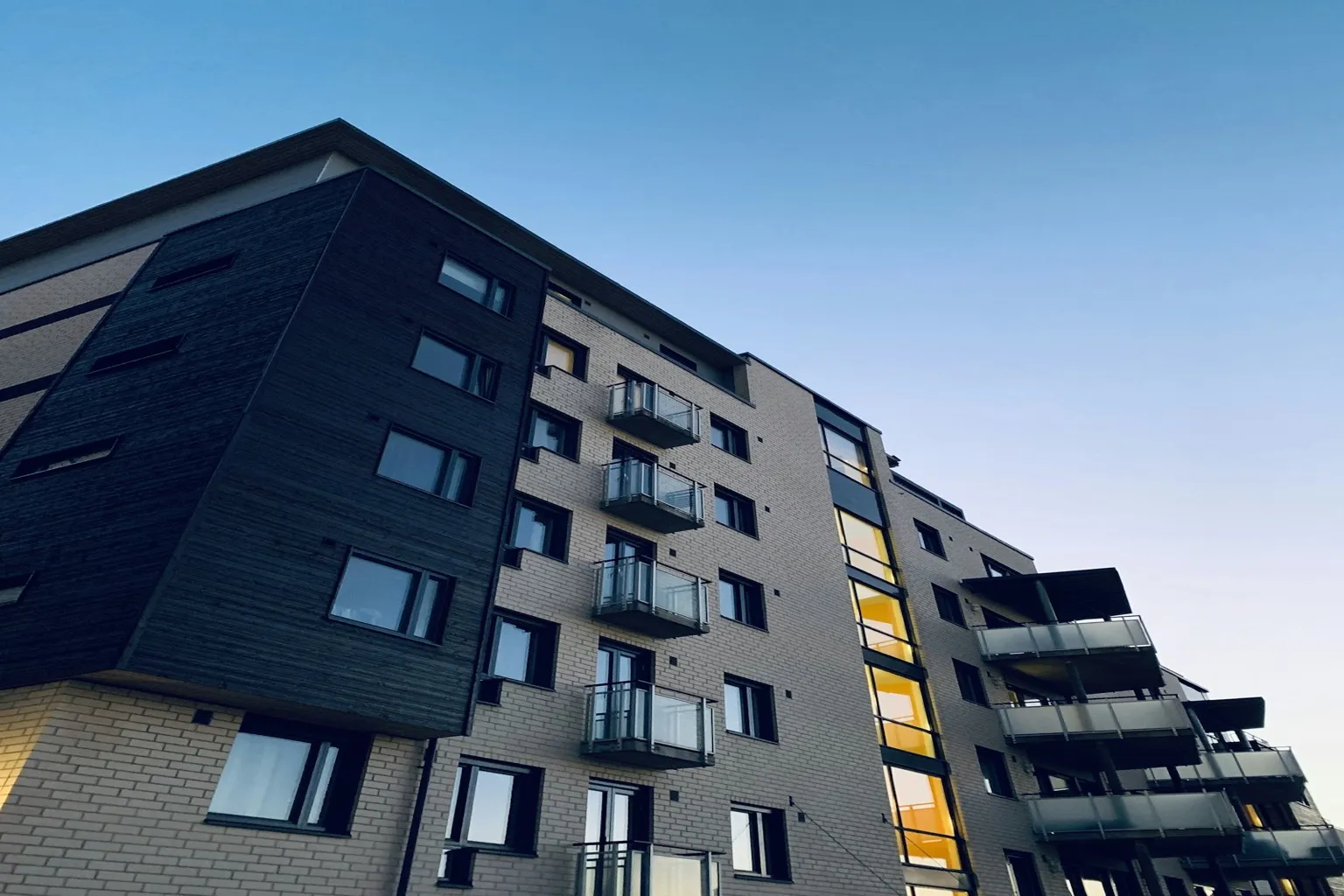
Before you start browsing listings, you need to understand a legal distinction that trips up a lot of buyers. When you buy a condo, you own the airspace inside your unit walls. That is it. The roof above your head, the land beneath you, the hallways, the elevator, the pool, the parking garage: those are all “common elements” shared with every other owner in the building.
A townhome is different. With a true townhome, you typically own the structure and the land underneath it. You might share a wall with your neighbor under a party wall agreement, but the property is legally closer to a single-family home. You own your roof. You maintain your yard. Your lot has its own legal description at the county.
Here is where it gets tricky in Austin. A property that looks like a townhome can still be legally classified as a condominium. The only reliable way to know is to check the Travis County Appraisal District (TCAD) records, which will describe a condo unit as owning a “percentage of common elements.” The visual layout tells you nothing about the legal structure.
Why does this matter? The legal classification determines your insurance requirements, your financing options (FHA and VA loans have condo-specific rules), your maintenance responsibilities, and your rights under the Texas Uniform Condominium Act (TUCA). Get the classification wrong and you could be surprised by a special assessment for a roof you thought was someone else’s problem.
| Feature | Condo | Townhome | Single-Family |
|---|---|---|---|
| You own the land | No (shared) | Usually yes | Yes |
| You own the exterior | No (shared) | Usually yes | Yes |
| HOA mandatory | Yes (always) | Usually yes | Varies |
| Typical HOA fee (Austin) | $300 to $1,200/mo | $100 to $400/mo | $0 to $200/mo |
| Insurance type | HO-6 + master policy | HO-3 (standard) | HO-3 (standard) |
| FHA/VA restrictions | Project must be approved | Usually none | None |
| Maintenance burden | Low (interior only) | Medium | High |
| Median price (Austin 2026) | $390,000 | $450,000 | $550,000 |
Who Should Buy a Condo in Austin (And Who Probably Should Not)
Condos make the most sense for a specific set of buyers. If you work downtown and want a 10-minute commute instead of 45 minutes from the suburbs, a condo puts you where the action is at a price point that a single-family home in 78704 or 78701 cannot match. If you travel frequently and want a lock-and-leave lifestyle without worrying about lawn care, a condo handles that. If you are a first-time buyer using an FHA loan and your budget tops out around $350,000 to $400,000, condos open up neighborhoods (downtown, South Congress, East Austin) that would otherwise be completely out of reach.
Condos also work well for investors targeting the urban rental market. Austin’s rental demand downtown remains strong, and certain buildings (like Natiivo on Rainey Street) even allow short-term rentals.
But condos are not for everyone. If you need a yard, if you want to control your own exterior modifications, if shared walls and shared decisions make you anxious, or if you simply cannot stomach paying $500 to $1,200 per month in HOA fees on top of your mortgage, a condo will frustrate you. And if you are buying purely for appreciation, know that Austin condos have historically appreciated more slowly than single-family homes, particularly in the suburbs where land is the appreciating asset.
Understanding HOA Fees: What You Pay and What You Get
HOA fees are the single biggest financial variable in condo ownership, and they range wildly in Austin. According to Unlock MLS and building-level data from the Austin Board of Realtors, here is what you can expect in 2026:
| Building Type | Monthly HOA Range | What is Typically Included |
|---|---|---|
| Suburban/garden-style | $200 to $400 | Exterior maintenance, landscaping, common area insurance, basic amenities |
| Mid-rise urban (4-10 floors) | $400 to $800 | Above plus concierge, pool, gym, elevator maintenance, higher insurance |
| High-rise downtown (10+ floors) | $800 to $1,500+ | Full-service: valet, 24/7 security, rooftop amenities, building staff, reserves |
At The Austonian, one of Austin’s premier high-rise buildings on Congress Avenue, HOA fees for a two-bedroom unit can run $1,200 to $1,800 per month. At The Independent (the tallest residential tower west of the Mississippi), fees range from $600 to $1,500+ depending on floor and unit size. At a smaller complex like Bartonplace near Zilker, fees might be $400 to $600.
The critical thing to understand: HOA fees are not wasted money. They replace expenses you would otherwise pay yourself. A single-family homeowner pays for roof repairs, exterior paint, landscaping, pest control, and building insurance out of pocket. Those costs just hit you all at once instead of monthly. The HOA smooths them into a predictable payment.
What you want to watch is the trend. If HOA fees have jumped 15% per year for the last three years, that building is either chronically underfunded or dealing with deferred maintenance. A steady 3% to 5% annual increase is normal and healthy. Anything higher deserves scrutiny.
HOA Financial Health: The Red Flags That Can Cost You Thousands
This section might save you more money than any other in this guide. Before you make an offer on any condo in Austin, you need to review the HOA’s financial statements. Texas law (TUCA, Property Code Chapter 82) requires the seller to provide a resale certificate that includes the association’s current operating budget and balance sheet. Read it. All of it.

Reserve Fund: The Most Important Number
The reserve fund is money set aside for major capital expenses: roof replacement, elevator overhauls, parking garage repairs, plumbing system upgrades. Industry standard is that a well-run condo association should be 70% to 100% funded on their reserve study. Here is how to interpret what you find:
- 70% to 100% funded: Strong. The building is planning ahead and collecting enough to cover future capital expenses without surprise bills.
- 30% to 70% funded: Partially funded. Proceed with caution. Ask when the last reserve study was done and what major capital projects are scheduled.
- Below 30% funded: Red flag. This building is one broken elevator or roof leak away from a special assessment. If you are financing with an FHA loan, the loan may not even be approved if reserves fall below 10% of total budgeted income.
Special Assessments: The Bill Nobody Saw Coming
A special assessment is a one-time charge to all unit owners when the reserve fund cannot cover a major expense. These can range from $2,000 for minor common area repairs to $50,000 or more for structural issues. After the Surfside, Florida condo collapse in 2021, lenders and insurers have become much more aggressive about requiring structural inspections and adequate reserves. Austin buildings are not exempt from this scrutiny.
Ask the HOA directly: Have there been any special assessments in the last five years? Are any currently proposed or under discussion? What major capital projects are planned in the next three to five years?
Other Red Flags to Watch For
- Owner delinquency rate above 10%. If that many owners are not paying their dues, the building is going to have cash flow problems.
- Active litigation. A condo association involved in a lawsuit (especially against the developer or a construction defect claim) can mean years of uncertainty and inflated insurance costs.
- Rapidly rising fees without clear explanation. Ask for minutes from the last three board meetings. If fees are rising 10%+ per year, you want to know why.
- No professional management. Self-managed HOAs in buildings with more than 20 units are a risk. Professional management costs money but provides accountability, proper financial reporting, and legal compliance.
- Worn-out common areas. Walk the building before you make an offer. If the lobby carpet is threadbare, the gym equipment is broken, and the pool furniture is falling apart, that is a visual indicator that the board has been deferring maintenance to keep fees low. The bill is coming.
FHA and VA Condo Approval: Why It Matters Even If You Are Paying Cash
There are currently about 51 FHA-approved condo projects in all of Austin. That is a small fraction of the total condo inventory. If you plan to use an FHA loan to purchase a condo, the entire building (not just your unit) must be on HUD’s approved list. The same restriction applies to VA loans, which have their own separate approval process.
FHA Condo Requirements
For a condo project to receive FHA approval, it must meet these criteria:
- At least 50% of units must be owner-occupied (not investor-owned rentals)
- No single entity can own more than 10% of units in a project with more than 20 units
- The HOA must carry adequate insurance, including fidelity bond coverage
- Reserve fund must be at least 10% of total annual budgeted income
- No more than 15% of units can be delinquent on HOA dues (60+ days past due)
- No active or pending litigation against the HOA that could affect safety or financial stability
- FHA approval expires every three years and must be renewed
You can verify a building’s FHA approval status at HUD’s online condo lookup tool.
VA Condo Requirements
VA requirements are similar but separate. A building can be FHA-approved but not VA-approved, or vice versa. Key VA requirements include at least 50% owner occupancy, fewer than 15% of owners delinquent on dues, and no single entity owning more than 10% of units. One notable difference: VA approvals do not expire, while FHA approvals must be renewed every three years.
Why This Matters Even for Cash or Conventional Buyers
If you are paying cash or using a conventional loan, you can buy in any building regardless of FHA or VA status. But here is the thing: a building that is not FHA/VA approved limits your resale pool. When you eventually sell, you are cutting out a significant chunk of potential buyers who need those loan products. In a soft condo market like Austin’s current one, that restriction can mean longer time on market and a lower sale price.
Ed Neuhaus, broker of Neuhaus Realty Group, recommends that even cash buyers check a building’s FHA/VA status before purchasing. “If a building cannot get approved, that tells you something about its financial health, its owner-occupancy ratio, or its insurance situation. Those are red flags worth investigating regardless of how you are financing.”
Condo Insurance in Texas: HO-6, Master Policy, and the Gap That Can Ruin You
Condo insurance in Texas works differently than homeowners insurance for a single-family home, and getting it wrong can leave you exposed to catastrophic out-of-pocket costs.
The Master Policy (What the HOA Covers)
The Texas Uniform Condominium Act (TUCA, Property Code Section 82.111) requires every condo association to maintain a master insurance policy. This policy covers the building structure, common areas, and shared elements. But master policies come in three flavors, and the type your building carries determines what your personal policy needs to cover:
- Bare Walls-In: The most common and least generous. Covers the building structure only: exterior walls, roof, hallways, elevators. Everything inside your unit walls (drywall, flooring, cabinets, plumbing fixtures, appliances) is your responsibility.
- Single Entity: Covers the building structure plus original fixtures inside each unit. If the unit had granite countertops when the building was first constructed, those are covered. Your upgrades are not.
- All-In (All Inclusive): Covers everything, including improvements and betterments. Rare in Austin, but some luxury buildings carry this level of coverage.
Your HO-6 Policy (What You Need)
Every condo owner needs an HO-6 policy, also called a condo insurance policy. This covers:
- Interior structure: Walls, flooring, cabinets, fixtures (especially important with a bare walls-in master policy)
- Personal property: Furniture, electronics, clothing, etc.
- Liability: If someone is injured inside your unit
- Loss assessment: If the HOA’s master policy does not fully cover a claim and unit owners get assessed the difference. This coverage is critical and often overlooked.
- Additional living expenses: If your unit becomes uninhabitable
In Austin, expect to pay $400 to $1,200 per year for an HO-6 policy, depending on your unit’s value, the building’s master policy type, and your coverage limits. For a detailed breakdown of insurance costs across the Austin market, see the complete Austin homeowners insurance guide.
The Gap That Gets People
The most dangerous scenario is assuming the master policy covers more than it does. If your building carries a bare walls-in policy and a pipe bursts inside your wall, the master policy covers the structural wall. Your HO-6 policy covers the drywall, paint, and flooring that got damaged. But if your HO-6 does not include enough coverage for interior fixtures, you eat the difference.
Before buying any condo: request a copy of the master insurance policy. Ask your insurance agent to review it. Make sure your HO-6 policy fills every gap. This is a $200 conversation with your agent that can save you $50,000.
The Best Condo Buildings and Neighborhoods in Austin (2026)
Austin’s condo market spans everything from $150,000 garden-style units near UT campus to $5 million penthouses on Congress Avenue. Here is a breakdown of the major condo submarkets, what they cost, and who they attract.
Downtown / CBD (78701)
This is where the high-rises live. The most recognizable buildings include:
- The Austonian (200 Congress Ave): 56 floors, 163 residences. Austin’s original luxury condo tower. Units typically $800,000 to $4 million. HOA fees $1,200 to $1,800/month. Full-service: valet, concierge, wine storage, rooftop pool.
- The Independent (301 West Ave): 58 floors, 370+ units. The tallest residential tower west of the Mississippi. Units range from the high $400,000s to over $2 million. More accessible price point than The Austonian for a comparable downtown experience.
- Seaholm Residences (800 West Ave): 11 floors, converted from the historic Seaholm Power Plant site. Units $600,000 to $1.5 million. Walkable to Whole Foods, Lady Bird Lake, and the Seaholm District retail.
- 360 Condominiums (360 Nueces St): 44 floors, one of downtown’s larger buildings. Currently has the highest number of active listings (27 as of March 2026), which means motivated sellers and negotiation room.
Browse active listings in 78701 (downtown Austin) to see current condo availability and pricing.
Rainey Street District
Once a neighborhood of bungalow bars, Rainey has transformed into Austin’s densest condo corridor. The walkability, proximity to Lady Bird Lake, and restaurant scene make it one of the most in-demand locations.
- 70 Rainey: Award-winning design by the Society of American Registered Architects. Resort-level amenities. Premium pricing.
- Natiivo (48 East Ave): 33 stories, 249 hotel-licensed units. One of the only buildings in downtown Austin that permits short-term rentals. Units come fully furnished. Ideal for investors or buyers who want STR flexibility.
- The Shore: 22 floors, 192 residences. Directly adjacent to Lady Bird Lake with trail access.
South Congress / South Lamar / 78704
Lower-rise condo options with a neighborhood feel. Buildings here tend to be smaller (4 to 6 stories) with lower HOA fees. Price points typically $300,000 to $600,000. The trade-off is fewer amenities than downtown high-rises, but you get walkability to South Congress shops and restaurants without the density.
East Austin / 78702
Austin’s fastest-evolving neighborhood has added several condo projects in recent years. The Modern Austin Residences leads with 23 active listings and an average price around $1.09 million for new-construction units. East Austin condos appeal to buyers who want a creative, eclectic neighborhood vibe with newer construction.
Explore East Austin listings in 78702 for current options.
UT / West Campus Area
The most affordable condo market in central Austin. Buildings like Orange Tree and Guadalupe Square offer units in the $60,000 to $200,000 range. These are primarily investor-owned units rented to UT students. If you are looking for personal residence, the tenant mix and building condition may not be ideal. But for pure rental investment, the numbers can work given proximity to campus.
Mueller / East Central
Parkside at Mueller offers newer townhome-style condos in the $350,000 to $400,000 range within the master-planned Mueller development. These feel more like townhomes (two stories, attached garage, small yard) but are legally classified as condos. Good for buyers who want newer construction, community amenities, and proximity to the Mueller retail district.
Condo-Specific Inspections: What to Check Beyond the Standard
A standard home inspection covers the interior of your unit. But when you are buying a condo, you also need to evaluate the building itself. Your inspector should look at your unit’s HVAC system, plumbing, electrical, and appliances just like any home. But you should also hire (or request) a review of building-wide systems that will directly affect your investment.
What Your Unit Inspection Should Cover
- HVAC system condition and age (replacement in a high-rise can cost $8,000 to $15,000 for a single unit)
- Plumbing: check for galvanized pipes in older buildings (pre-1990), water heater condition, any signs of leaks at connections to shared plumbing risers
- Electrical panel capacity (older buildings may have 60-amp service, which limits modern appliance use)
- Windows: check seals, especially in high-rise units. Failed window seals mean condensation between panes, reduced energy efficiency, and expensive replacement
- Sound transmission between units: visit during a weekday evening when neighbors are home. Can you hear conversations? Footsteps? Music? Sound insulation varies dramatically between buildings.
For a comprehensive inspection checklist, see the Austin home inspection guide for Central Texas buyers.
Building-Level Due Diligence
Request these documents from the HOA or management company:
- Most recent reserve study. This shows the expected useful life and replacement cost of every major building component. If the building has never had a reserve study, that is a significant red flag.
- Engineering or structural inspection reports. Post-Surfside, many lenders now require these for buildings over a certain age. If the building has one, read it. If it does not and the building is over 20 years old, consider that a yellow flag.
- Insurance claims history. Multiple claims for water intrusion, foundation issues, or mold indicate chronic building problems.
- Planned capital improvement projects. A building about to undergo a $2 million parking garage repair will likely need a special assessment or significant dues increase.
Financing a Condo in Austin: What Lenders Require
Getting a mortgage on a condo involves everything a single-family home does, plus an extra layer of scrutiny on the building itself. Lenders evaluate the project as well as the borrower.
Conventional Loans
Conventional (non-government) loans through Fannie Mae or Freddie Mac are the most common financing for Austin condos. Lenders will review the condo project questionnaire, which covers owner-occupancy ratios, reserve fund status, litigation, insurance adequacy, and commercial space percentage. Most conventional lenders want to see at least 51% owner occupancy and adequate reserves. Down payment requirements are typically 5% to 20% for primary residence, 15% to 25% for investment property.
FHA Loans
FHA loans offer lower down payments (3.5%) and more flexible credit requirements, but the building must be on HUD’s approved list. With only about 51 FHA-approved projects in Austin, your options are significantly limited. If you find a unit you love in a non-approved building, ask the HOA whether they would pursue FHA certification. Some boards are willing, especially in a slow market where expanding the buyer pool helps everyone’s property values.
VA Loans
VA loans offer zero down payment for eligible veterans and service members. The building needs separate VA approval (not the same as FHA approval). Check the VA’s condo lookup database for approved projects. For more on using VA benefits to buy in Austin, see the VA loan guide for Austin homebuyers.
Down Payment Assistance
First-time condo buyers in Austin may qualify for the same down payment assistance programs available to single-family home buyers. The Austin Housing Finance Corporation (AHFC) and several state programs offer grants and forgivable loans. See the complete guide to first-time buyer programs in Austin for current options and income limits.
Property Taxes on Austin Condos
Texas has no state income tax, which means local governments fund everything through property taxes. The effective property tax rate in Travis County is approximately 1.8% of assessed value. On a $390,000 condo, that is roughly $7,020 per year (about $585 per month) before any exemptions.
Two things condo buyers should know about property taxes in Austin:
Homestead exemption applies. If the condo is your primary residence, you qualify for the homestead exemption, which in 2026 removes $100,000 from your assessed value for school district taxes plus additional exemptions from the city and county. On a $390,000 condo, the homestead exemption can reduce your tax bill by $1,500 to $2,000 per year. File with the Travis County Appraisal District as soon as you close.
Condos in MUDs or PIDs pay more. Some newer condo developments, particularly in areas like Mueller or East Riverside, sit within Municipal Utility Districts (MUDs) or Public Improvement Districts (PIDs) that add an additional tax layer. This can increase your effective rate by 0.3% to 1.0% above the base rate. Always verify the full tax rate for a specific property before making an offer.
For a comprehensive breakdown of property tax rates, exemptions, and how to protest your assessment, see the complete Austin property tax guide for 2026.
Rental Restrictions and Investment Considerations
If you are buying a condo in Austin as an investment, or if you think you might want to rent it out someday, read the HOA governing documents before you make an offer. Many condo associations restrict or prohibit rentals, and those restrictions are enforceable.
Common Rental Restrictions in Austin Condos
- Minimum lease terms: Many buildings require leases of 6 months or 12 months minimum. This effectively prohibits short-term rentals.
- Rental caps: Some associations limit the percentage of units that can be rented at any given time (often 25% to 50%). If the cap is reached, you cannot rent your unit until a slot opens up.
- Short-term rental bans: The vast majority of Austin condo buildings prohibit Airbnb-style short-term rentals. The city of Austin also has its own STR regulations that apply on top of HOA rules.
- Approval requirements: Some buildings require tenants to pass a background check or be approved by the HOA board before moving in.
- No subletting: Some associations prohibit subletting entirely, meaning the owner on the deed must be the person living in or managing the lease of the unit.
Buildings That Allow Short-Term Rentals
Natiivo at 48 East Avenue is one of the rare exceptions. Built specifically as a hotel-licensed residential building, Natiivo allows and even encourages short-term rentals. Units come fully furnished and can be placed in a hotel rental program when the owner is not using them. For investors targeting the Austin STR market in a condo format, Natiivo is essentially the only downtown high-rise option.
For more on investment property strategy in Austin, see how to buy investment property in Austin 2026.
The Resale Certificate: Your Most Powerful Due Diligence Tool
Under the Texas Uniform Condominium Act (Property Code Section 82.157), the seller must provide you with a resale certificate before or at the time of contract execution. This document is a gold mine of information that many buyers skim or ignore entirely. Do not be one of those buyers.
What the Resale Certificate Includes
- Current operating budget and balance sheet
- Amount of reserves and how they are allocated
- Any pending special assessments
- Current monthly fees and what they cover
- Any outstanding litigation involving the association
- Insurance coverage details (master policy type and limits)
- Any unpaid assessments or liens against the specific unit you are buying
- Rental and leasing restrictions
- Pet policies
- Any delinquencies owed by the selling owner
The HOA must deliver this certificate within 10 business days of a written request. If they fail to deliver it, the seller can provide a sworn affidavit as a substitute, but that affidavit does not carry the same liability protections as the official certificate. If the HOA refuses or delays the resale certificate, treat that as a serious warning sign about the association’s management quality.
One more critical protection: if the resale certificate understates the amount the seller owes in delinquent dues, you (as the buyer) are not liable for the difference. The certificate effectively caps your exposure to existing unit-level debts.
The Buying Process for a Condo in Austin: Step by Step
The condo buying process in Austin follows the same general framework as any Texas real estate transaction, with a few condo-specific additions. Here is the timeline:
Step 1: Get Pre-Approved (Before You Start Looking)
If you are financing, get a mortgage pre-approval that specifically accounts for HOA fees. Lenders include HOA dues in your debt-to-income ratio, which means $600/month in HOA fees reduces your maximum purchase price by roughly $80,000 to $100,000 compared to a property without HOA fees. Know your adjusted budget before you fall in love with a high-rise unit.
Step 2: Identify Target Buildings and Verify Project Approval
If you need FHA or VA financing, start by checking which buildings are approved. There is no point touring a building where you cannot get your loan approved. For conventional financing, ask your lender which building characteristics might cause issues (low owner-occupancy, active litigation, inadequate reserves).
Step 3: Tour and Evaluate
When touring condos, pay attention to more than just the unit. Walk the common areas. Check the parking garage. Ride the elevator. Look at the condition of the lobby, gym, and pool. Talk to the concierge or doorman. Are they helpful or checked out? Visit during different times of day if possible. A building that seems quiet on a Tuesday afternoon might have a different vibe on a Friday night, especially near Rainey Street.
Step 4: Make an Offer and Execute Contract
The standard Texas real estate contract (TREC form) has a condo addendum. This addendum gives you the right to receive and review the resale certificate, declaration, bylaws, and association rules. You typically have a set period (negotiable, often 5 to 10 days) to review these documents and terminate if you find something unacceptable.
In the current buyer’s market, do not be afraid to negotiate seller concessions. With condos averaging 107 days on market, many sellers will agree to pay a portion of closing costs, cover the HOA transfer fee (which can be $500 to $1,500), or make price concessions. The complete guide to buyer closing costs in Texas breaks down every fee you can expect.
Step 5: Option Period and Inspections
The option period in Texas gives you the unrestricted right to terminate the contract for any reason. Use this time for your unit inspection, review of HOA financial documents, and building-level due diligence. In a buyer’s market, you can often negotiate a 10-day option period (standard is 5 to 7 days) to give yourself more time for condo-specific review.
Step 6: Appraisal, Title, and Closing
Condo appraisals in Austin use comparable sales from the same building when available, which makes them more straightforward than single-family appraisals. Title search will include any liens against both the unit and the HOA. Closing typically takes 30 to 45 days from contract execution. For a complete walkthrough, see the Austin home buying process step by step.
Negotiation Strategies in Austin’s 2026 Condo Market
With 7.5 months of condo inventory and average days on market exceeding 100, buyers have significant leverage in 2026. Here are specific strategies that work in this market:
- Target listings over 90 days on market. Sellers who have been sitting for three months are often more motivated to negotiate on price and terms. Look at the original list price versus current price. If they have already reduced once, they may reduce again for a serious offer.
- Ask the seller to pay HOA transfer fees and closing costs. In a normal market, these are split or paid by the buyer. In this market, asking the seller to cover $5,000 to $10,000 in closing costs is reasonable, especially if the unit has been listed for 60+ days.
- Negotiate on HOA credit. Some buyers ask sellers to prepay 3 to 6 months of HOA fees as a concession. This effectively reduces your carrying costs during the first months of ownership.
- Request a home warranty. Most home warranty companies offer condo-specific plans covering interior systems and appliances.
- Use price per square foot as your anchor. The current median for Austin condos is approximately $272 per square foot. If a listing is priced above that benchmark, you have data to support a lower offer. If it is below, the unit might be underpriced or have issues worth investigating.
Parking, Storage, and the Details Nobody Thinks About
Condo living in Austin comes with practical considerations that single-family buyers never have to think about.
Parking. Downtown Austin high-rises typically include one assigned parking space with the unit, with additional spaces available for purchase ($30,000 to $75,000) or rent ($150 to $300/month). Some older or smaller buildings have limited parking that is first-come, first-served. If you have two cars, verify before you make an offer that parking for both is available and what it costs.
Storage. Most condo units do not include significant storage space. Many buildings offer storage units in the garage for an additional monthly fee ($75 to $200/month). If you are downsizing from a house, plan for this.
Move-in/move-out rules. High-rise buildings typically require you to reserve the freight elevator, sometimes weeks in advance. There may be a move-in deposit ($500 to $1,000) and restrictions on which hours moving is permitted. Ask about these logistics before you schedule your movers.
Pet policies. Most Austin condos allow pets, but many have breed restrictions, weight limits (common limit: 50 to 75 pounds), and a maximum number of pets per unit (usually two). Some buildings charge a pet deposit or monthly pet rent. If you have a large dog, verify the policy before you get invested in a specific building.
Guest policies. Some high-security buildings require guests to be announced and escorted. If you frequently host visitors, this can feel restrictive. Other buildings have guest suites available for overnight visitors at a nightly rate.
Condo Living vs. Renting an Apartment: The Financial Comparison
Austin has plenty of luxury apartments that offer a similar lifestyle to condo ownership: downtown location, pools, gyms, concierge services. So why buy instead of rent?
The math depends on your specific situation, but here is a realistic comparison for a two-bedroom downtown Austin unit in 2026:
| Monthly Cost | Renting (Class A Apt) | Owning a $390K Condo |
|---|---|---|
| Rent / Mortgage (6.5%, 10% down) | $2,800 | $2,218 (P&I) |
| HOA fees | Included in rent | $600 |
| Property taxes | Included in rent | $460 (after homestead) |
| Insurance | $25 (renters) | $75 (HO-6) |
| Maintenance reserve | $0 | $100 (personal) |
| Total monthly | $2,825 | $3,453 |
| Equity built (Year 1) | $0 | ~$7,200 |
| Tax deduction value | $0 | ~$3,000 to $5,000/yr |
Owning costs more monthly on paper. But you are building equity, getting a mortgage interest deduction, and locking in a fixed housing cost that does not increase 5% to 8% per year the way Austin rents have been climbing. Over a 5-year hold, the equity and appreciation (even at a modest 2% to 3% annual rate) tilt the math toward buying. For a deeper dive, see the rent vs. buy analysis for Austin 2026.
Austin Condo Amenities: What is Standard vs. Premium
Not all condo amenities are created equal, and the amenity package directly affects your HOA fees. Here is what to expect at different price tiers:
Standard (found in most buildings): Pool, basic fitness center, common area Wi-Fi, package room, controlled access
Mid-tier (common in newer mid-rise and high-rise): Everything above plus rooftop deck, co-working space, pet spa, EV charging, bike storage, on-site management office
Premium (luxury high-rises only): Everything above plus 24/7 concierge and valet, wine storage, private dining/catering kitchen, screening room, dog park, spa with sauna/steam, multiple pools (often including a rooftop infinity pool)
The question to ask yourself is whether you will actually use the amenities you are paying for. If you never swim, never work out, and never host events in the common room, a $1,200/month HOA fee is subsidizing other people’s lifestyle. A simpler building with a $400/month fee might be a smarter financial choice.
New Construction Condos vs. Resale: Pros and Cons
Austin has several new condo projects either recently completed or under construction in 2026. Buying new construction means modern finishes, current building codes (including post-2021 structural inspection standards), and typically a builder warranty on major systems. But new construction condos also come with higher price-per-square-foot premiums, HOA fees that might increase significantly once the developer turns over control to the owners’ association, and the risk that the building does not reach target occupancy. If a new building is only 40% sold after two years, the developer may start slashing prices on remaining inventory, which hurts your resale value.
Resale condos offer the advantage of an established HOA track record. You can review years of financial statements, know exactly what the fees are and have been, and see the actual condition of the building. The trade-off is older systems, potentially dated finishes, and the need for more thorough inspection.
For a broader comparison of new construction versus existing homes in the Austin market, see new construction vs. existing homes in the Hill Country.
Frequently Asked Questions
Ready to Buy a Condo in Austin?
The Austin condo market in 2026 offers more choices, more negotiation room, and better value than buyers have seen in years. Whether you are a first-time buyer looking for an affordable entry point downtown, a relocating professional who wants to be close to work, or an investor evaluating rental potential, the conditions favor buyers right now.
The key is doing your homework on the building, not just the unit. Read the HOA financials. Understand the insurance structure. Verify FHA/VA approval if it matters for your financing or future resale. And negotiate from a position of strength in a market where sellers have been waiting 100+ days for a qualified offer.
For personalized guidance on buying a condo in Austin TX, contact Neuhaus Realty Group. The team covers the full Austin metro area and can help you evaluate specific buildings, negotiate effectively, and close with confidence.
For more on the Austin condo market, including pricing trends and the best buildings by neighborhood, see the Austin condo market overview for 2026.
Ready to browse? Search all Austin homes for sale, including condos, townhomes, and single-family homes across every neighborhood.