 Ed
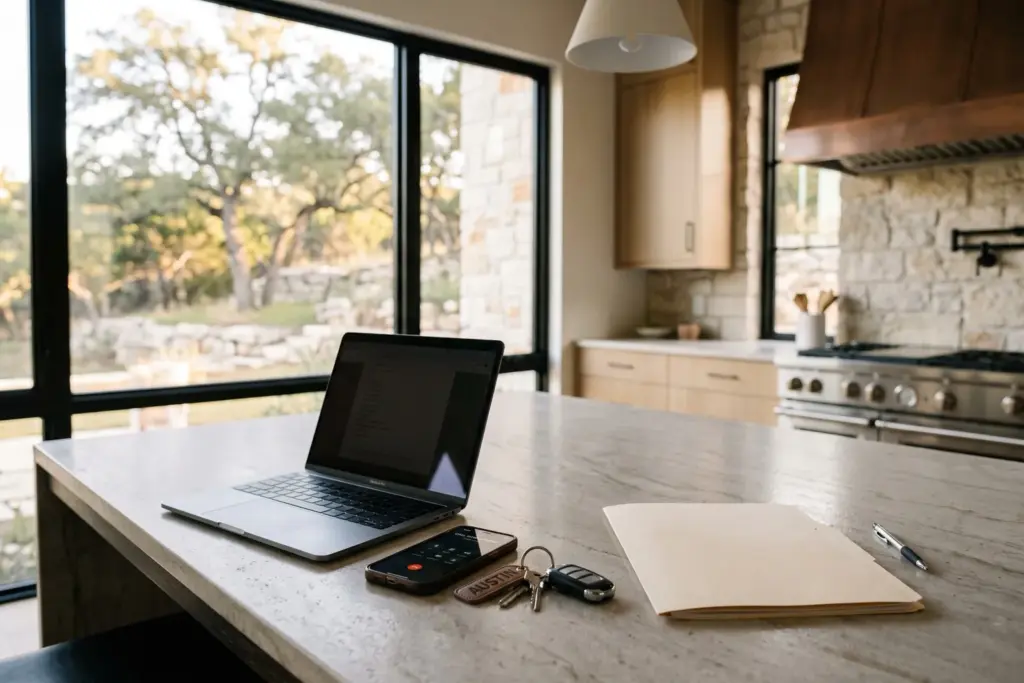
Real estate fraud took $275.1 million from Americans last year across 12,368 reported cases, according to the FBI’s Internet Crime Complaint Center, up from about $173 million the year before. So it jumped almost 60 percent in twelve months. That is not a slow trend right. And it does not even include the one that scares me, the wire that leaves a buyer’s account the day before closing, because the FBI files those under business email compromise, which took another $3.05 billion last year. Wire fraud at closing keeps working for a reason nobody in my business says out loud, which is that the advice we have all handed out for a decade, just call and confirm, is only half true anymore.
Lets be precise about which half died. A call you place, to a number you had before the transaction started, still works fine. A call that comes to you proves nothing. Not the voice, not the caller ID, not the fact that the person knows your address, your closing date, and your down payment to the dollar.
The FBI published a warning in May 2025 (PSA I-051525-PSA) saying a real call from a known contact and an AI voice clone “can sound nearly identical,” and telling people to go independently find a phone number and call it themselves. Which is a polite way of saying the government does not think you can tell either.
What we actually do to stop wire fraud at closing
Ok so here is the protocol at Neuhaus Realty Group, and none of it is clever. It is boring, and we do it every single time.
The day we go under contract, before a dollar is in play, my client pulls the escrow officer’s direct line off the title company’s own website or the title commitment and saves it in their phone as the only number they will use for this deal (in the phone, not scribbled on an envelope that lives in the car). Not the number in an email signature. Not the one that showed up on caller ID.
Then we set the expectation that wiring instructions never change. An email shows up with corrected instructions, a new bank, an account issue, a very sorry apology and a fresh routing number, it is fraud until the escrow officer says otherwise on the saved number. In my whole career I have not had one legitimate mid-transaction change to wire instructions. Not one.
We also set a verbal code word with the escrow officer up front, something dumb that is not on anybody’s Facebook (no, I am not telling you mine), and anyone calling about money gets asked for it. A cloned voice can repeat anything it has heard. It cannot produce a word it never heard.
And after the wire goes out my client calls the title company, saved number again, to confirm it landed. The last 48 hours of a Texas closing move fast enough that nobody makes that call unless you told them to weeks earlier.
If the money already went
Move now, before you call a lawyer and before you call me. Call the sending bank, say it is fraud, request a recall and a Hold Harmless Letter, and ask them to start the FBI’s Financial Fraud Kill Chain. Call the receiving bank to get the account frozen. Then file at ic3.gov. That order comes out of the American Land Title Association’s rapid response plan, and the order is about speed. The FBI’s recovery team worked 3,900 of these in 2025 and froze $679 million out of $1.16 billion, so a little better than half, and the half that comes back is the half somebody moved fast on.
Nassim Taleb’s whole argument about rare catastrophic events is that you do not survive them by getting better at seeing them coming, you survive them by building a process where they cannot take you out when they arrive. This is that. I have been selling houses in Austin a long time now, and if you played me a cloned voice of an escrow officer I have closed a dozen deals with, I would fail that test. I am not a voice forensics guy, I sell houses. But I never have to take the test if the only number I dial is one I wrote down back in March, right.
If you want the long version, how the emails get in, what a spoofed domain looks like, what your title company should be doing on their end, we keep a full guide to wire fraud prevention that goes deeper than any blog post should.
Frequently Asked Questions
Save the number before you need it
If you are closing in the next few weeks and nobody has walked you through this, that is worth a conversation. Reach out and I will tell you which number to save and what a normal wire package looks like, so the abnormal one stands out. Takes five minutes, and it is the cheapest insurance in the whole transaction.
Be safe, be good, and save the number.


