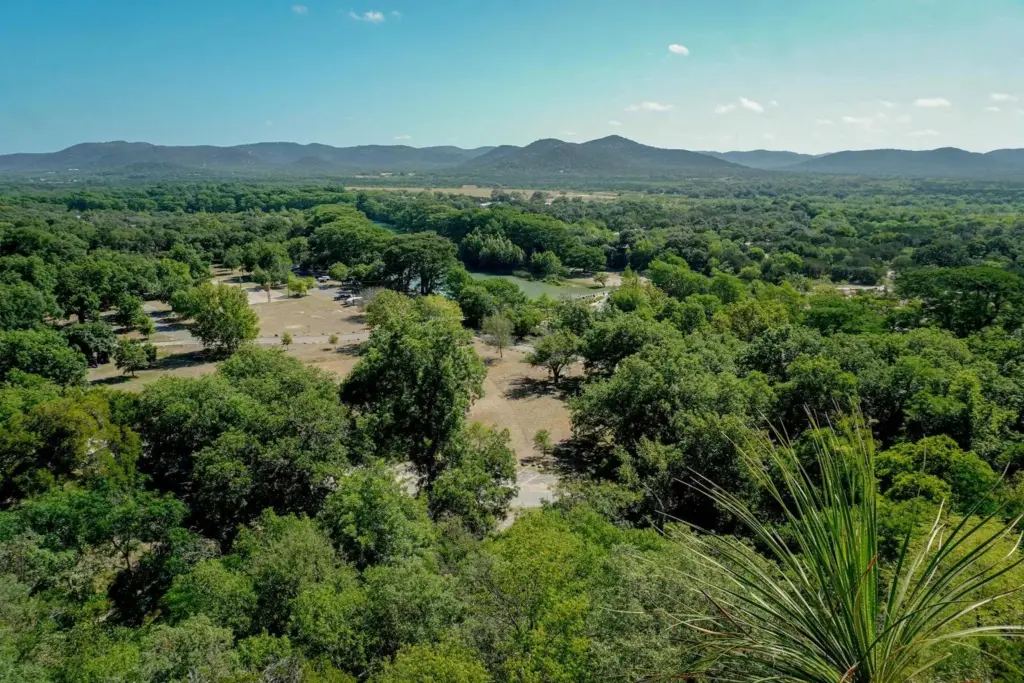
Texas retirees pay zero state income tax on Social Security, pensions, 401(k) withdrawals, and investment income. Combined with a $200,000 school district property tax exemption for homeowners 65 and older, Austin and the surrounding Hill Country offer one of the most tax-friendly retirement destinations in the country.
Those tax savings land in a metro area with three major hospital systems, more than 29 Medicare Advantage plan options, year-round outdoor recreation, and a housing market where retirees can find everything from a $240,000 patio home in Sun City Georgetown to a $2 million waterfront property on Lake Travis. U.S. News and World Report named three Austin suburbs (Leander, Round Rock, and Pflugerville) among the best places to retire in America for 2026, and Niche.com ranked Georgetown 15th in Texas for retirement.
This guide covers the full picture: costs, communities, taxes, healthcare, lifestyle, and the real tradeoffs that come with retiring in Central Texas.
What Retirement Actually Costs in the Austin Area
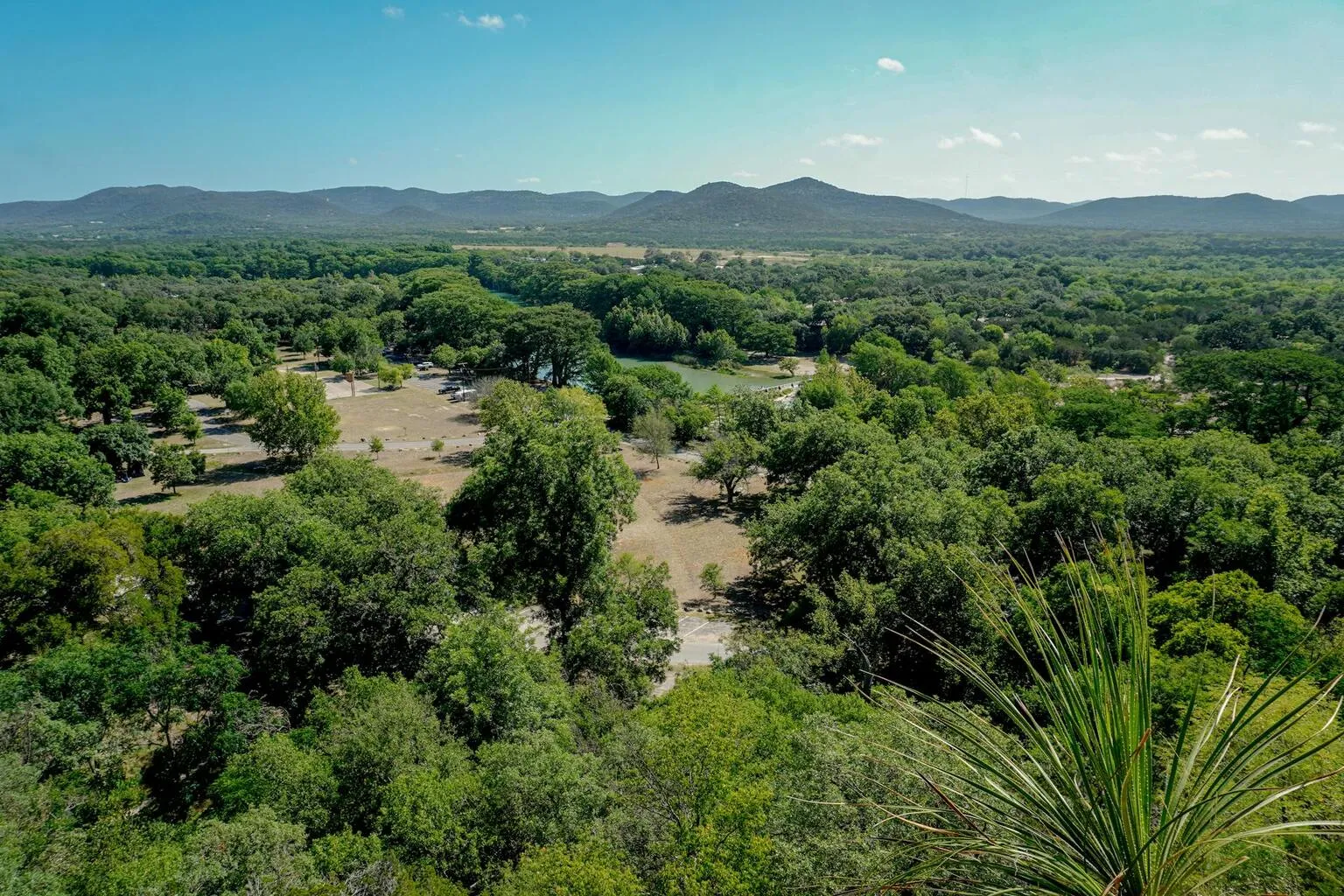
The cost of retiring in Austin depends heavily on where you land. The metro area stretches from Georgetown in the north to San Marcos in the south, and pricing varies by more than $500,000 depending on the city. A retired couple buying in Round Rock or Cedar Park faces a very different budget than one shopping in Lakeway or Bee Cave.
| City | Median Home Price (2026) | Effective Property Tax Rate | Annual Property Tax (Median Home) |
|---|---|---|---|
| Georgetown | $380,000 | 1.95% | $7,410 |
| Round Rock | $400,000 | 2.05% | $8,200 |
| Cedar Park | $425,000 | 2.00% | $8,500 |
| Leander | $492,000 | 2.10% | $10,332 |
| Dripping Springs | $550,000 | 1.70% | $9,350 |
| Bee Cave | $850,000 | 1.50% | $12,750 |
| Lakeway | $725,000 | 1.65% | $11,963 |
These are pre-exemption figures. With the over-65 homestead exemption, school district taxes drop substantially (more on that below).
Beyond the mortgage or purchase price, monthly retirement costs in the Austin metro include utilities averaging $175 to $250 per month (Austin Energy and water), groceries running about 3% above the national average according to the Bureau of Labor Statistics, and healthcare premiums that vary widely by plan. For a detailed breakdown of every line item, see the Complete Guide to Cost of Living in Austin.
A reasonable monthly budget for a retired couple who owns their home outright in a mid-range area like Georgetown or Round Rock looks something like this:
| Expense Category | Monthly Estimate |
|---|---|
| Property taxes (after exemptions) | $300 to $500 |
| Homeowners insurance | $150 to $250 |
| Utilities (electric, water, gas, internet) | $200 to $300 |
| Groceries | $500 to $700 |
| Healthcare (Medicare supplement + out of pocket) | $400 to $800 |
| Transportation (gas, insurance, maintenance) | $300 to $500 |
| Entertainment and dining | $300 to $600 |
| HOA fees (if applicable) | $50 to $250 |
| Total | $2,200 to $3,900 |
That range reflects a mortgage-free lifestyle. Retirees carrying a mortgage should add $1,200 to $2,500 per month depending on the loan balance and rate.
The Texas Tax Advantage for Retirees
Texas is one of nine states with no state income tax. For retirees, that means every dollar of retirement income stays untaxed at the state level. According to the Texas Comptroller, the following income sources are completely exempt from state taxation:
- Social Security benefits
- Pension income (public and private)
- 401(k), 403(b), and IRA withdrawals
- Required minimum distributions
- Investment dividends and capital gains
- Annuity income
Compare that to states like California (up to 13.3% on retirement income), New York (up to 10.9%), or even Colorado (4.4% flat rate), and the savings for a retiree pulling $80,000 to $120,000 per year from various sources adds up to thousands annually.
The tradeoff is property taxes. Texas ranks seventh nationally in effective property tax rates, averaging 1.40% in 2026 according to the Tax Foundation. For a $400,000 home, that works out to roughly $5,600 per year before exemptions. But Texas offers significant property tax relief specifically for seniors, which narrows that gap considerably.
Property Tax Breaks Every Retiree Over 65 Should Know
Texas provides the most generous property tax exemptions in the country for homeowners 65 and older. Understanding these saves thousands of dollars annually. For a complete walkthrough of every exemption and how to file, read the Complete Guide to Homestead Exemption in Texas.
General Homestead Exemption: Every Texas homeowner with a primary residence qualifies for a $140,000 exemption on school district taxes (increased by Proposition 13 in November 2025). This applies regardless of age.
Over-65 Additional Exemption: Homeowners 65 and older receive an additional $60,000 exemption on school district taxes, bringing the total school tax exemption to $200,000. Many cities and counties offer their own over-65 exemptions on top of this. Travis County provides an additional $110,000 exemption. The City of Austin adds $99,000. Williamson County offers $20,000.
School Tax Freeze: This is the biggest benefit. Once you qualify for the over-65 exemption, your school district tax bill is permanently frozen at the dollar amount you paid the year the exemption took effect. Even if your home’s appraised value doubles or the school district raises its rate, your school taxes never increase. The freeze transfers to a surviving spouse who is 55 or older.
Tax Deferral: Homeowners 65 and older can defer all property tax payments on their homestead indefinitely. Taxes accrue with 5% annual interest and become due when the home is sold or ownership changes. This option works for retirees on fixed incomes who want to stay in their home without the annual tax burden.
Ed Neuhaus, broker of Neuhaus Realty Group, notes that the combination of the school tax freeze and the expanded exemptions makes 2026 the best year on record for retirees buying in the Austin metro. “A 66-year-old buying a $400,000 home in Georgetown today locks in a school tax bill that will never go up. That kind of predictability is rare in a state with no income tax.”
For strategies on reducing your assessed value even further, see the Complete Guide to Property Tax Protests in Austin.
The Best 55+ Active Adult Communities Near Austin
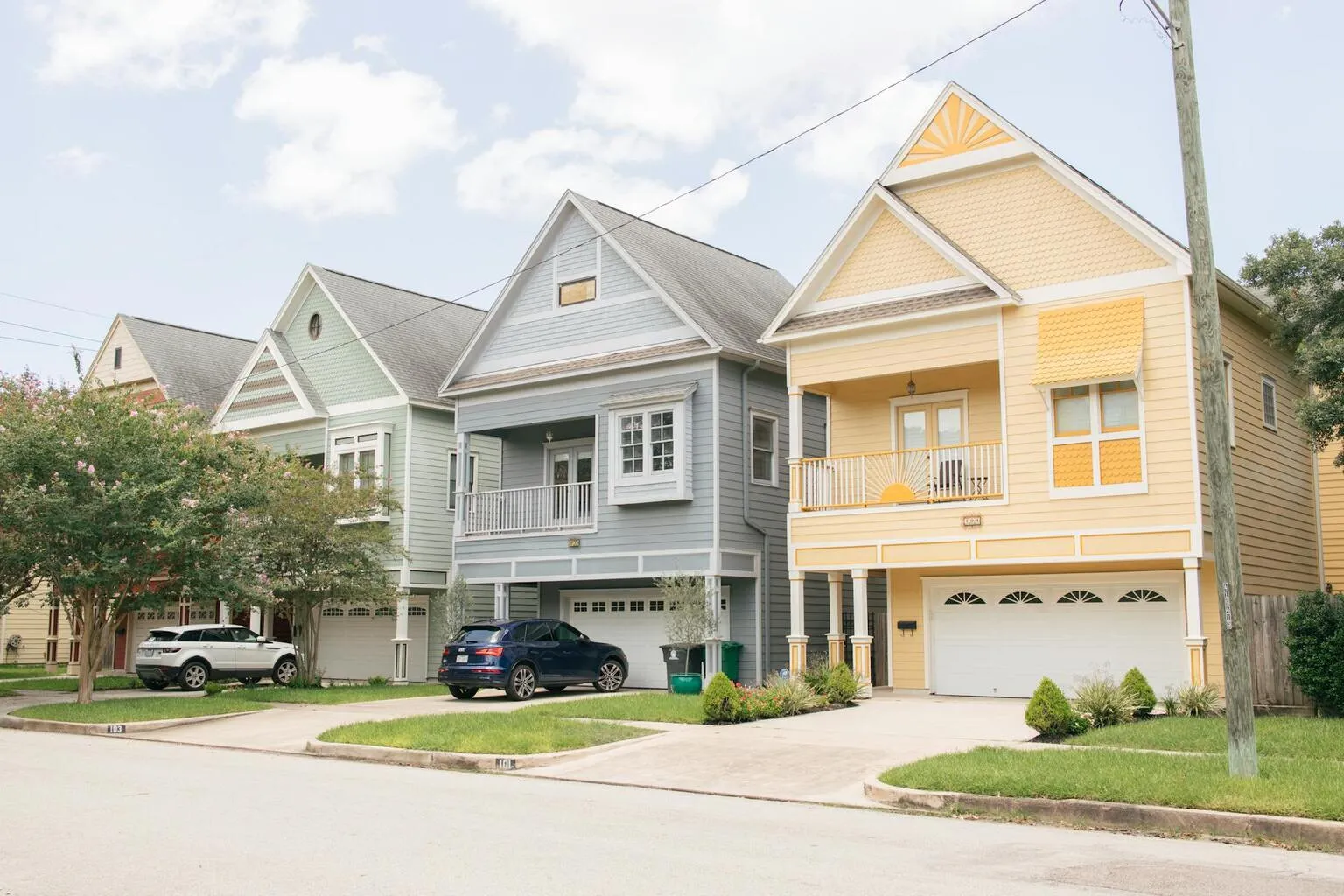
Central Texas has become a national hub for 55+ communities, with several options ranging from established neighborhoods with thousands of residents to brand-new developments still selling their first phase.
Sun City Georgetown
Sun City is the largest 55+ community in Texas and one of the largest Del Webb developments in the country. Located in Georgetown (about 30 miles north of downtown Austin), it spans 5,300 acres with more than 9,400 homes.
The median sale price in Sun City is $424,314 as of early 2026, with homes ranging from $240,000 for older resale patio homes to $1.3 million for custom builds. New construction starts around $340,000. On average, homes sell in 78 days.
Amenities include three golf courses (Cowan Creek, Legacy Hills, White Wing), three recreation centers, indoor and outdoor pools, 45+ clubs and interest groups, a pottery studio, woodworking shop, tennis and pickleball courts, and miles of walking trails. Sun City has its own commercial village with restaurants, a grocery store, and medical offices.
Georgetown itself was named the most beautiful town square in Texas by Southern Living, and the historic downtown is 10 minutes from Sun City’s gates. For homeowners considering a future sale, see Selling Your Home in Sun City TX.
Kissing Tree (San Marcos)
Kissing Tree sits between Austin and San Antonio in San Marcos, occupying 1,300 gated acres along the Blanco River. Brookfield Residential plans 3,200 homes at buildout, making it one of the state’s largest 55+ communities.
The average home price is approximately $515,000 in 2026. Homes range from low $300s for smaller floor plans to $700,000+ for premium lots.
The 20-acre amenity campus (called “The Mix”) includes Independence Hall (a clubhouse with a biergarten, indoor/outdoor bar, demonstration kitchen, live music stage, and Sam’s Cafe), an 18-hole golf course, resort-style pool, fitness center, community garden, pickleball courts, bocce, and fire pits. The Blanco River runs through the community, providing kayaking and fishing access.
San Marcos is also home to Texas State University, which offers tuition-free courses for residents 65 and older through the state’s senior education waiver.
Del Webb Austin at Lost Pines (Bastrop)
The newest 55+ option in the Austin area, Del Webb Lost Pines opened model homes in March 2026. Located in Bastrop (about 30 miles southeast of Austin), the community will include 500+ homes across 323 acres with three home series.
Bastrop offers lower property tax rates than Travis County and proximity to Bastrop State Park, McKinney Falls State Park, and the Colorado River. Home prices and amenity details are still being finalized, but Del Webb’s Austin-area pricing typically starts in the mid-$300s.
Other 55+ Options
Beyond the dedicated communities, several Austin-area neighborhoods attract retirees with single-story inventory and active HOA programming:
- Heritage Oaks (Georgetown): A smaller 55+ section within a larger master plan. Lower HOA fees than Sun City.
- Trilogy at Lake Travis (Spicewood): Resort-style with Lake Travis access, wine club, and Shea Homes build quality. Premium pricing ($600K+).
- Belterra (Dripping Springs): Not age-restricted, but its amenity center, pool, trails, and Hill Country location draw active retirees. Homes from $450K.
Best Austin-Area Cities and Neighborhoods for Retirees
Not every retiree wants a 55+ community. Many prefer a regular neighborhood with proximity to grandchildren, restaurants, healthcare, or a specific lifestyle. For a deeper dive into 20+ neighborhoods organized by lifestyle, see the Complete Guide to Austin Neighborhoods by Lifestyle. For a focused look at the top retirement suburbs, read Austin’s Best Suburbs for Retirees in 2026.
Georgetown
Georgetown consistently ranks on national retirement lists. The population skews older than the Austin average, and the infrastructure reflects it: walkable town square, multiple medical clinics, Sun City as a built-in social network, and Williamson County’s well-funded emergency services. Median home price: $380,000. The Georgetown vs Round Rock vs Cedar Park comparison provides a side-by-side look at all three north Austin cities.
Lakeway
Lakeway offers a resort lifestyle with Lake Travis access, multiple golf courses (Flintrock Falls, Yaupon, Hills of Lakeway), marinas, and a medical campus anchored by Baylor Scott & White Lakeway. The community is quieter and more established than many Austin suburbs. Median home price: $725,000. Many single-story and “lock-and-leave” options exist in neighborhoods like Rough Hollow and The Hills.
Dripping Springs
The “Gateway to the Hill Country” appeals to retirees who want acreage, dark skies, and a small-town feel with Austin access (25 minutes to downtown on US-290). Wineries, distilleries, and the Mercer Street downtown district provide social outlets. Median home price: $550,000. See the Dripping Springs vs Bee Cave vs Lakeway comparison for details.
Bee Cave
Bee Cave has the distinction of charging no city ad valorem property tax, making it one of the lowest-taxed cities in the metro. The Hill Country Galleria provides shopping, dining, and entertainment within walking distance of several neighborhoods. Median home price: $850,000. More affordable options exist in Bee Cave’s eastern sections near Highway 71.
Round Rock and Cedar Park
For budget-conscious retirees who still want full-service healthcare (St. David’s Round Rock, Cedar Park Regional), excellent dining (Round Rock’s booming restaurant scene), and easy highway access, these two cities offer the most value. Round Rock median: $400,000. Cedar Park median: $425,000.
Lake Living in Retirement
Central Texas has seven major Highland Lakes (Travis, Austin, LBJ, Inks, Buchanan, Canyon, and Marble Falls), and lakefront or lake-access living is a major draw for retirees.
Lake Travis is the most popular. Waterfront homes start around $800,000 and can exceed $5 million for deep-water lots with private docks. Lake-access communities (where you share a boat ramp and park rather than owning waterfront) are significantly more affordable, often $400,000 to $700,000. Rough Hollow in Lakeway and Briarcliff near Spicewood both offer lake-access amenities at a fraction of waterfront pricing.
Lake LBJ (near Horseshoe Bay and Marble Falls) is a constant-level lake, meaning the water level stays the same year-round regardless of drought. That consistency makes it popular with retirees who want reliable dock access and waterfront value. Homes range from $350,000 to over $2 million.
Dock permits are managed by the Lower Colorado River Authority (LCRA), and the permitting process can take months. Buyers should verify dock eligibility before purchasing.
Golf Communities for Active Retirees
The Austin area has more than 50 golf courses within an hour’s drive, and several residential communities are built around championship layouts.
| Community | Course(s) | Membership Cost (Annual) | Home Price Range |
|---|---|---|---|
| Sun City Georgetown | Cowan Creek, Legacy Hills, White Wing | Included in HOA | $240K to $1.3M |
| Barton Creek | Fazio Foothills, Fazio Canyons, Coore & Crenshaw, Palmer Lakeside | $30K to $100K+ initiation | $800K to $5M+ |
| Spanish Oaks | Bobby Jones design | $75K+ initiation | $1.5M to $5M+ |
| Falconhead (Bee Cave) | 18-hole public-access | $3,600 to $6,000 | $500K to $900K |
| Crystal Falls (Leander) | 18-hole Jack Nicklaus design | $3,000 to $5,400 | $350K to $700K |
| Kissing Tree (San Marcos) | 18-hole community course | Included in HOA | $300K to $700K |
| Horseshoe Bay Resort | Ram Rock, Slick Rock, Apple Rock, Summit Rock | $15K to $50K initiation | $300K to $3M+ |
For retirees who play regularly, communities where golf is included in the HOA (Sun City, Kissing Tree) offer significant long-term savings compared to private club memberships.
The Austin Senior Golf Association has operated for more than 50 years and organizes weekly rounds across the metro for players of all skill levels.
Healthcare and Medical Resources for Retirees
Austin’s healthcare infrastructure has expanded significantly over the past decade, and the metro now supports retirees with multiple hospital systems, specialty centers, and Medicare-accepting providers.
Major Hospital Systems:
- St. David’s HealthCare: Seven hospitals across the metro, including the Level 1 trauma center at St. David’s South Austin. St. David’s Round Rock and Georgetown locations serve the northern suburbs.
- Ascension Seton: Eight facilities including Dell Seton Medical Center at UT (the region’s only Level 1 trauma center for adults) and Ascension Seton Williamson in Round Rock.
- Baylor Scott & White: Major campus in Lakeway and a growing presence in Round Rock, with strong cardiac and orthopedic programs.
Dell Medical School and UT Health Austin: The University of Texas at Austin opened Dell Medical School in 2016, bringing academic medicine and clinical trials to the metro. UT Health Austin’s specialty clinics serve as referral centers for complex cases.
VA Healthcare: The Austin VA Outpatient Clinic on East Ben White Boulevard provides primary care, mental health, and specialty services. The main VA hospital is in Temple (65 miles north), and veterans can also access community care through the VA’s network of private providers.
Medicare Options in Austin
As of 2026, there are 29 Medicare Advantage plans available in the Austin metro from carriers including UnitedHealthcare, Humana, Aetna, BCBS of Texas, and Wellpoint. The average Medicare Advantage premium in the area is $7.26 per month, though many $0-premium plans are available with varying coverage levels.
Original Medicare (Parts A and B) is accepted by the vast majority of Austin-area providers. Retirees who prefer Original Medicare can pair it with a Medigap supplemental plan (average $150 to $300 per month in Texas depending on age and plan type) and a standalone Part D prescription drug plan.
Tip: Verify that your preferred physicians and specialists participate in whichever Medicare plan you choose before moving. Provider networks can shift from year to year. For a full breakdown of Austin hospitals, insurance costs, Medicare Advantage options, and specialist access by neighborhood, see the Complete Guide to Healthcare in Austin.
Social Life, Activities, and Volunteering
One of the biggest concerns retirees voice about relocating is building a social network from scratch. Austin makes this easier than most cities.
City of Austin Senior Activity Centers: The city operates multiple centers (Lamar, South Austin, Conley-Guerrero) offering daily classes, health programs, trips, dances, support groups, and community events. The “Varsity Generation” program through Austin Parks and Recreation organizes excursions in four categories: adventure, educational, entertainment, and health/fitness.
55+ Community Programming: Residents of Sun City, Kissing Tree, and similar communities have built-in social infrastructure. Sun City alone runs 45+ clubs covering everything from astronomy and genealogy to pickleball and stained glass. These communities often host live music, lecture series, holiday events, and group travel.
Continuing Education: Texas public universities offer tuition-free enrollment for residents 65 and older (up to 6 credit hours per semester). UT Austin, Texas State University in San Marcos, and Austin Community College all participate. Courses range from art history to computer science.
Volunteering: Austin has a robust volunteer ecosystem. Habitat for Humanity of the Austin area, the Capital Area Food Bank, Austin Pets Alive, Meals on Wheels Central Texas, and Recording for the Blind and Dyslexic are among the most active organizations. The Retired and Senior Volunteer Program (RSVP) matches skills to placements.
Arts and Culture: The Long Center for the Performing Arts, Blanton Museum of Art, Zilker Botanical Garden, and Austin’s 250+ live music venues provide weekly entertainment. The Lady Bird Johnson Wildflower Center (run by UT) is a particular favorite among retirees for its gardens, trails, and events.
Outdoor Recreation for Active Retirees
Austin’s 300 days of sunshine per year and mild winters make it one of the best cities in the country for year-round outdoor activity.
Hiking: Barton Creek Greenbelt (12+ miles of trails), Mount Bonnell (a short but scenic climb), Wild Basin Wilderness Preserve, and the Violet Crown Trail (30 miles when complete). The Hill Country offers Enchanted Rock State Natural Area, Pedernales Falls State Park, and dozens of county preserves.
Swimming and Water Sports: Barton Springs Pool (68-degree year-round spring-fed pool), Lake Travis for boating and swimming, and the Colorado River paddling trail through downtown Austin. Krause Springs and Jacob’s Well in Wimberley are popular Hill Country day trips.
Cycling: Austin has 230+ miles of bike lanes and 50+ miles of protected lanes, with the Veloway (a 3.1-mile paved loop in South Austin reserved for cyclists and skaters) as a favorite for older riders. The Walnut Creek Trail system in north Austin offers gentle grades.
Birding: The Highland Lakes region is one of the top birding corridors in the U.S. The Travis Audubon Society leads regular outings, and Hornsby Bend (a water treatment facility doubling as a birding mecca) attracts over 360 documented species.
Pickleball: The fastest-growing sport among retirees has a massive Austin presence. Sun City has dedicated courts, and the City of Austin has added pickleball lines to tennis courts across the park system. Austin Pickle Ranch (a dedicated facility) and Dreamland (with 30+ courts in Dripping Springs and Cedar Park) offer drop-in play.
Climate and Weather: What Retirees Should Expect
Austin’s climate is a major selling point for retirees fleeing northern winters. But summers are intense, and a few seasonal considerations matter.
Mild Winters: Average December/January lows hover around 38 to 42 degrees Fahrenheit. Snow is extremely rare (Austin averages less than 0.1 inches per year). Hard freezes happen a few times per winter but rarely last more than a day or two. The February 2021 Winter Storm Uri was a once-in-a-generation event that prompted significant grid improvements and home weatherization.
Hot Summers: Expect 90+ degree days from mid-May through September, with July and August averaging highs near 100 degrees. Austin recorded 18 days at or above 100 degrees in 2025 (Source). Air conditioning is not optional. ERCOT (the Texas power grid operator) has added generation capacity since 2021, and rolling blackouts have not recurred, though summer demand remains a statewide concern.
Cedar Fever: From December through February, mountain cedar (Ashe juniper) releases massive amounts of pollen across Central Texas. The 2026 season peaked at 8,135 grains per cubic meter in early February. Retirees with respiratory sensitivities should test their tolerance before committing to a permanent move. Allergists in Austin specialize in cedar allergy management.
Severe Weather: Flash flooding is Austin’s most dangerous weather hazard. Central Texas sits in “Flash Flood Alley,” and heavy rains can turn creeks into torrents within minutes. Hailstorms occur several times per year, making hail-resistant roofing a smart investment. Tornadoes are rare in the immediate Austin area but more common to the east and northeast.
Downsizing to Austin: Housing Options for Retirees
Many retirees moving to Austin are downsizing from larger homes in other states. The Complete Guide to Downsizing in Austin covers the full process, but here are the highlights for retirement buyers.
Single-Story Homes: The Hill Country’s terrain makes multi-story construction common, but demand for single-story plans has pushed builders to offer more ranch-style options. Sun City and Kissing Tree are almost entirely single-story. Outside 55+ communities, look for neighborhoods built in the 1990s and 2000s in Georgetown, Round Rock, and Cedar Park where ranch plans are prevalent. Read more about why ranch homes are making a comeback.
Lock-and-Leave Condos and Townhomes: For retirees who travel frequently or maintain a second home, low-maintenance condos in downtown Austin, The Domain, or Lake Travis communities eliminate yard work and exterior upkeep. Monthly HOA fees ($200 to $500) cover landscaping, roofing, and often amenities like pools and fitness centers.
Patio Homes: A middle ground between a single-family home and a condo. Common in Sun City and Georgetown’s newer subdivisions. Typically 1,200 to 1,800 square feet with small private yards and HOA-maintained common areas.
Acreage Properties: Retirees who want land (horses, gardens, workshops) find value in Dripping Springs, Wimberley, Marble Falls, and Johnson City. Properties with agricultural exemptions (“ag exempt”) see dramatically lower property tax assessments on the land portion. A 10-acre lot with a wildlife management plan or livestock might pay $50 to $200 per year in land taxes instead of $3,000 to $5,000.
For details on selling your current home and the tax implications, the Complete Guide to Capital Gains Tax on Home Sales explains the $250,000/$500,000 exclusion and how to calculate your basis.
Estate Planning Considerations for Texas Retirees
Texas has unique legal features that affect retirement estate planning.
Community Property: Texas is a community property state. All assets acquired during a marriage (including retirement account contributions made during the marriage) are owned equally by both spouses. This affects inheritance, beneficiary designations, and the step-up in basis at death.
Homestead Protection: The Texas homestead is protected from most creditors. A surviving spouse can remain in the homestead regardless of other debts. This protection has no dollar cap on the home’s value (only an acreage cap: 10 acres in the city, 200 acres in rural areas).
No State Estate or Inheritance Tax: Texas does not levy its own estate tax or inheritance tax. Federal estate tax applies only to estates exceeding $15 million per individual ($30 million per married couple) in 2026 (Source).
Transfer on Death Deeds: Texas allows homeowners to file a Transfer on Death Deed, which passes the property to a named beneficiary upon death without going through probate. This is a simple, low-cost estate planning tool for retirees who own their home free and clear.
Retirees should consult with a Texas-licensed estate planning attorney after relocating. Laws differ significantly from state to state, and existing wills and powers of attorney from other states may not work as intended under Texas law.
Continuing Care Retirement Communities (CCRCs)
For retirees planning for potential long-term care needs, CCRCs offer independent living, assisted living, memory care, and skilled nursing all on one campus. Residents pay an entrance fee (sometimes refundable) plus monthly fees, and they can transition between levels of care as needs change.
Austin-area CCRCs include:
- Westminster (West Austin): One of Austin’s most established CCRCs. Independent living apartments and cottages, assisted living, skilled nursing, and memory care. Entrance fees range from $200,000 to $600,000+ with monthly fees of $3,000 to $6,000.
- Querencia at Barton Creek: A luxury CCRC in the Barton Creek area. Resort-style independent living with a continuum of care. Premium pricing reflects the Barton Creek address.
- Longhorn Village (Steiner Ranch): Affiliated with UT Austin’s Ex-Students Association. Independent living in a Hill Country setting with assisted living and skilled nursing on campus.
CCRCs require financial qualification, and contracts vary (Type A, B, or C based on how much healthcare risk the community assumes). Retirees considering a CCRC should review the community’s financial statements, occupancy rates, and contract terms with an attorney.
Getting Around: Transportation in Retirement
Austin is a car-dependent metro. Most retirees will need a vehicle for daily errands, medical appointments, and social activities. That said, several options exist for those who want to reduce driving.
Capital Metro operates bus routes throughout the metro and the MetroRail commuter line from Leander to downtown Austin. The agency’s Access paratransit service provides door-to-door rides for individuals with disabilities. Project Connect, Austin’s $7.1 billion transit expansion, broke ground on a 9.8-mile light rail line in 2027 with an expected opening in 2033. The first line will connect north Austin to the airport through downtown.
Ride-sharing (Uber and Lyft) is widely available. GoGo Grandparent is a concierge service that lets seniors book rides by phone without needing a smartphone app.
Within 55+ communities, golf carts are a primary mode of transportation. Sun City has dedicated golf cart paths connecting residential areas to amenities, and residents routinely run errands by cart.
For a complete look at Austin’s transportation infrastructure, see the Complete Guide to Austin Commutes and Transportation.
Proximity and Travel
Austin-Bergstrom International Airport (AUS) offers direct flights to more than 75 domestic destinations and a growing number of international routes (London, Frankfurt, Mexico City, Cancun, and more). The airport is undergoing a $5 billion expansion with a new arrivals hall expected in December 2029.
Austin’s central Texas location also puts retirees within driving distance of San Antonio (80 minutes), Houston (2.5 hours), Dallas (3 hours), and the Gulf Coast (3.5 hours). Fredericksburg and the wine country are 90 minutes west. The Hill Country is immediately accessible for weekend drives through wildflower country in spring.
For retirees who want to stay close to grown children and grandchildren while maintaining independence, Austin’s connectivity by air and highway makes regular visits manageable in both directions.
What Current Retirees Say They Wish They Had Known
Based on conversations with Austin-area retirees and common themes from local retiree communities, these are the most frequently cited surprises:
- Summer heat is real. Many retirees from the Midwest or Northeast underestimate how hot July and August can be. Plan indoor activities and early-morning outdoor schedules.
- Cedar fever catches people off guard. Even retirees who never had allergies elsewhere develop cedar sensitivity within a year or two. Get tested and establish an allergist relationship early.
- Property taxes hit harder than expected. Without the income tax offset, the annual property tax bill is the single largest ongoing expense for most retiree homeowners. Filing for every available exemption is not optional.
- You need a car. Austin has improving transit, but daily life without a car is difficult outside a few walkable downtown pockets.
- The social infrastructure in 55+ communities is worth the HOA. Retirees who buy in non-age-restricted neighborhoods sometimes report feeling isolated. The built-in social calendar of communities like Sun City and Kissing Tree is a major quality-of-life factor.
- Water is a real issue in the Hill Country. Properties on well water require regular testing, and droughts can reduce well output. Verify the water source and rights before buying rural property.
According to Neuhaus Realty Group‘s experience working with relocating retirees, the most successful transitions happen when buyers visit Austin during summer (not just spring) before committing. “If you can handle July, you’ll love everything else,” is a common refrain.
Frequently Asked Questions
Making the Move: Your Retirement Relocation Checklist
Retiring to Austin and the Hill Country is a multi-step process. For the complete relocation playbook, start with the Complete Guide to Moving to Austin, Texas. Here is a retirement-specific timeline:
6 to 12 Months Before:
- Visit Austin in multiple seasons (especially summer)
- Research 55+ communities, neighborhoods, and cities using this guide and the Retiring in the Austin Hill Country post
- Consult a Texas-licensed financial advisor about tax implications of relocating
- Get pre-approved for a mortgage if financing (note: many retirees pay cash)
- Begin decluttering and planning your downsize
3 to 6 Months Before:
- Connect with a local real estate agent who specializes in the retirement market
- Tour communities and neighborhoods in person
- Research Medicare plan options in the Austin area and confirm provider networks
- Begin the process of selling your current home
1 to 3 Months Before:
- Close on your new home
- Transfer medical records and prescriptions to Austin providers
- Schedule moving logistics
- Set up Texas driver’s license and vehicle registration (required within 30 days)
First 30 Days After Moving:
- File for homestead exemption with your county appraisal district (Travis, Williamson, or Hays)
- File for the over-65 exemption if applicable
- Register to vote
- Establish primary care and specialist relationships
- Join a club, class, or volunteer organization to start building your social network
Austin and the Texas Hill Country offer retirees a combination that is hard to replicate: no state income tax, a property tax freeze at 65, world-class healthcare, 300 days of sunshine, and communities designed specifically for active adults. The cost of entry ranges from $240,000 in Sun City Georgetown to waterfront luxury on Lake Travis. Wherever you land, the key is filing for every tax exemption you qualify for, choosing a neighborhood that matches your lifestyle, and visiting in July before you sign anything.