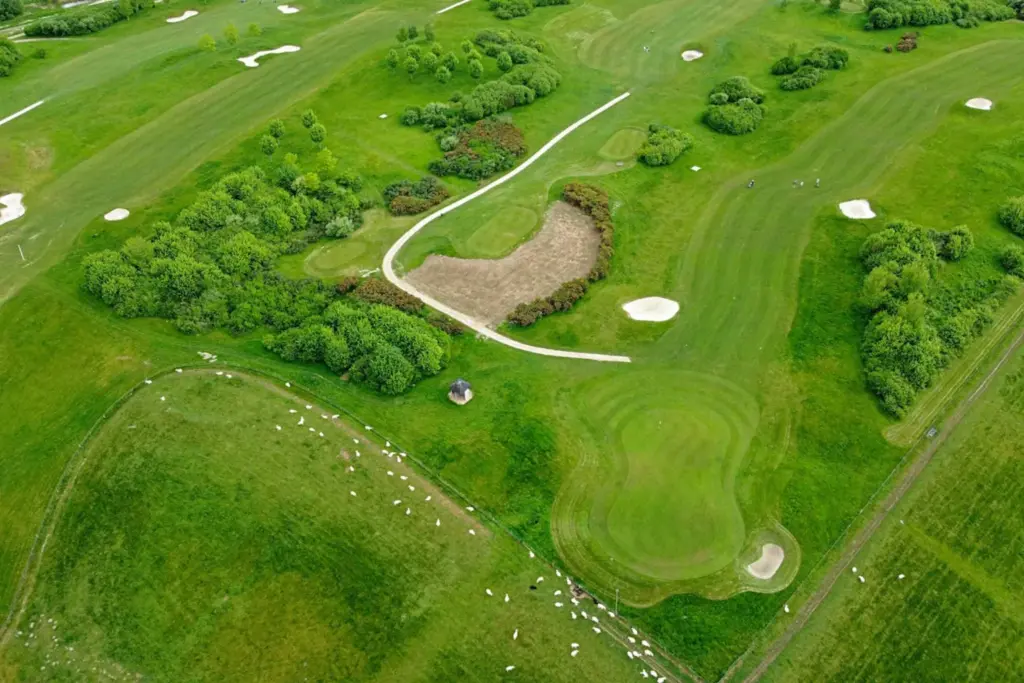
Austin’s golf community market spans a $195,500 gap in initiation fees alone, from Circle C Ranch’s $4,500 entry to Spanish Oaks’ $200,000 invitation-only membership. That spread tells you something important: golf-oriented living in Central Texas is not one market. It is at least four distinct tiers, each with its own economics, lifestyle, and real estate dynamics.
Across the greater Austin metro, more than 15 residential communities are built around or adjacent to golf courses, collectively representing roughly $8 billion in residential property value. Monthly costs for a golf-focused household range from under $500 at a public-course community like Crystal Falls to north of $4,000 at ultra-luxury clubs like Driftwood Golf and Ranch Club. Home prices start below $300,000 near public courses in Leander and climb past $10 million in Spicewood’s newest private enclave, Loraloma.
According to the National Golf Foundation, Texas added among the most golf facility openings of any state in 2025, and the Austin corridor accounted for two of the state’s most significant new private clubs. The region’s combination of year-round playing weather (averaging 228 days above 60 degrees), explosive population growth, and no state income tax has made it one of the top golf relocation destinations in the country.
This guide profiles every golf community in the Austin area, compares membership structures and costs, analyzes home prices and property tax implications, and helps you determine which community fits your playing habits, budget, and lifestyle priorities. Whether you play three times a week or three times a year, the financial math of living in a golf community is worth understanding before you buy.
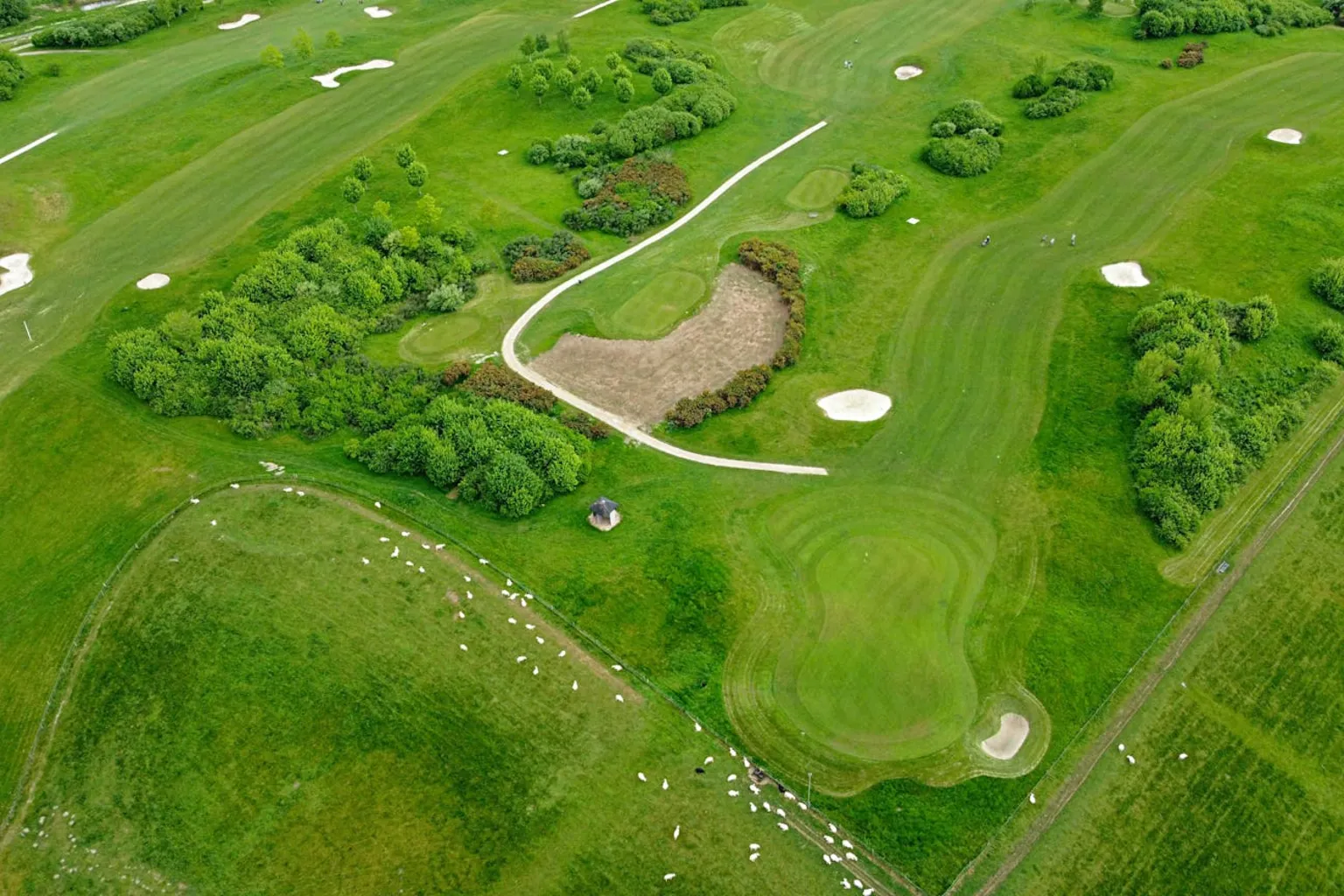
How Austin’s Golf Communities Are Structured
Golf communities in the Austin area fall into four categories, and understanding the distinction saves you from expensive surprises.
Private equity clubs require an initiation fee (sometimes called a membership deposit) that buys your seat at the table. Some are refundable, some are transferable to a new buyer, and some are neither. Monthly dues cover operations, course maintenance, and amenities. At clubs like Spanish Oaks and Austin Country Club, membership is by invitation only, meaning you need a sponsor from the existing membership to even apply.
Bundled golf communities tie club membership to property ownership. At Driftwood Golf and Ranch Club, you cannot join the club without buying land in the development. At Cimarron Hills, a social membership is included with every home purchase, though golf access requires an additional upgrade. This model ensures a built-in membership base and typically creates tighter community bonds.
Public-course communities are residential neighborhoods built around a daily-fee or municipal course. Falconhead, Crystal Falls, and Avery Ranch fall here. You do not need a membership to play, though optional memberships offer unlimited rounds and discounts. These communities tend to have broader appeal and lower home prices because golf is an amenity, not a requirement.
Resort-integrated communities blend residential ownership with resort hospitality. Horseshoe Bay is the Austin area’s primary example, offering four courses alongside a marina, spa, and full-service resort on Lake LBJ.
Ultra-Luxury Golf Communities ($200K+ Initiation)
Spanish Oaks Golf Club, Bee Cave
Spanish Oaks is the most exclusive golf community in the Austin metro. Period. The Bobby Weed-designed course, ranked #3 among private courses in Texas by Golfweek, sits on dramatic Hill Country terrain at the intersection of Highway 71 and Bee Caves Road. Membership is capped at 300, and the invitation-only process requires sponsorship by existing members followed by committee approval.
The financial commitment is substantial: $200,000 initiation fee plus $1,365 per month in golf and dining dues. But the low member count means the course is never crowded. Tee times are readily available, and pace of play is rarely an issue.
Homes in Spanish Oaks range from $1.8 million to north of $8 million, with the community comprising approximately 400 custom homes on generous lots. The 24/7 guard-gated entry, Eanes ISD (via Lake Travis ISD for some sections), and proximity to the Hill Country Galleria shopping center add to the draw for buyers seeking both privacy and convenience. For a detailed comparison of this community against its closest competitor, see Barton Creek vs Spanish Oaks.
| Feature | Detail |
|---|---|
| Course Designer | Bobby Weed |
| Holes | 18 |
| Initiation Fee | $200,000 |
| Monthly Dues | $1,365 |
| Member Cap | 300 |
| Home Prices | $1.8M to $8M+ |
| Gated | Yes, 24/7 guard |
| School District | Lake Travis ISD |
Austin Country Club, Westlake
Austin Country Club occupies one of the most stunning pieces of real estate in the city, perched on bluffs above Lake Austin with panoramic water views from multiple holes. The Pete Dye-designed course consistently ranks among the top private clubs in Texas.
Membership is invitation-only with initiation fees exceeding $150,000 and monthly dues above $1,000. The waitlist stretches years. Unlike Spanish Oaks or Barton Creek, Austin Country Club is not a residential community in the traditional sense. There is no gated neighborhood surrounding the course. Instead, members live throughout Westlake, Tarrytown, and the greater Austin area. Nearby homes in the Rob Roy, Davenport Ranch, and Lost Creek neighborhoods range from $1.2 million to well over $5 million.
Premium Golf Communities ($100K to $150K Initiation)
Barton Creek Country Club, Austin
Barton Creek is the only club in the Austin area offering four championship golf courses under a single membership. That alone makes it an outlier. The courses include Tom Fazio’s Foothills and Canyons layouts, Ben Crenshaw and Bill Coore’s Cliffside course, and Arnold Palmer’s Lakeside course on Lake Travis.
Full golf membership requires a $125,000 transferable initiation fee (or $100,000 non-transferable) with monthly dues of $755 to $1,120 depending on category. A junior golf membership for ages 21 to 39 drops the initiation to $50,000 to $62,500. The club also offers fitness, tennis, swimming, spa, and multiple dining venues.
The Barton Creek community stretches across a massive footprint west of MoPac, with homes ranging from $800,000 condos and townhomes to $5 million+ estates. The Omni Barton Creek Resort and Spa operates within the same property, giving members access to resort-grade amenities. For buyers evaluating this community, see the detailed comparison at Bee Cave and Barton Creek Real Estate 2026.
| Course | Designer | Signature Feature |
|---|---|---|
| Fazio Foothills | Tom Fazio | Hill Country canyon views |
| Fazio Canyons | Tom Fazio | Dramatic elevation changes |
| Crenshaw Cliffside | Ben Crenshaw & Bill Coore | Natural Hill Country terrain |
| Palmer Lakeside | Arnold Palmer | Lake Travis waterfront holes |
Driftwood Golf and Ranch Club, Driftwood
Driftwood is the Austin area’s most exclusive bundled golf community. You cannot join the club without owning property in the development, and property starts at approximately $3 million for homesites, with finished custom homes ranging from $5 million to $15 million or more.
Golf membership carries a $100,000+ initiation fee and monthly dues exceeding $3,000. The course and the surrounding ranch landscape provide a level of privacy and space that even Spanish Oaks cannot match. Located about 25 minutes southwest of downtown Austin in the Driftwood area (Hays County), the community appeals to buyers who want true Hill Country ranch living with world-class golf.
Loraloma Private Club and Estates, Spicewood
The newest and arguably most ambitious entry in Austin’s luxury golf scene, Loraloma opened its David McLay Kidd-designed 18-hole championship course to members in October 2025. The par-72 layout stretches across 120 acres of Hill Country terrain with dramatic elevation changes, Zoysia grass fairways, and views of the Pedernales River and Balcones Escarpment.
Loraloma sits within the 2,200-acre Thomas Ranch development, 25 miles west of Austin. Membership is capped at 375 to 425 golf members. Preferred pricing on three-bedroom cottages starts at $2.25 million, and custom homesites begin at $885,000, with estate homes reaching $10 million or higher. More than half the community’s acreage is devoted to open space, including 40+ miles of hiking and biking trails and two miles of Pedernales River frontage.
This is the club to watch. Its combination of a top-tier course designer, strict membership cap, and massive land buffer positions it as a direct competitor to Spanish Oaks and Driftwood for the ultra-luxury buyer.
Westlake Country Club, Westlake Hills
Formerly known as Lost Creek Country Club, Westlake Country Club sits in the heart of Eanes ISD, consistently one of the top-rated school districts in Texas. The $100,000 initiation fee and $1,120 monthly dues place it in the premium tier, though homes in the surrounding neighborhoods start around $800,000 and top out near $3 million, making the total cost of entry more accessible than Spanish Oaks or Barton Creek.
The course was recently renovated, and the club’s location within Westlake Hills gives residents walkability to shops, restaurants, and top-rated schools that most golf communities cannot offer.
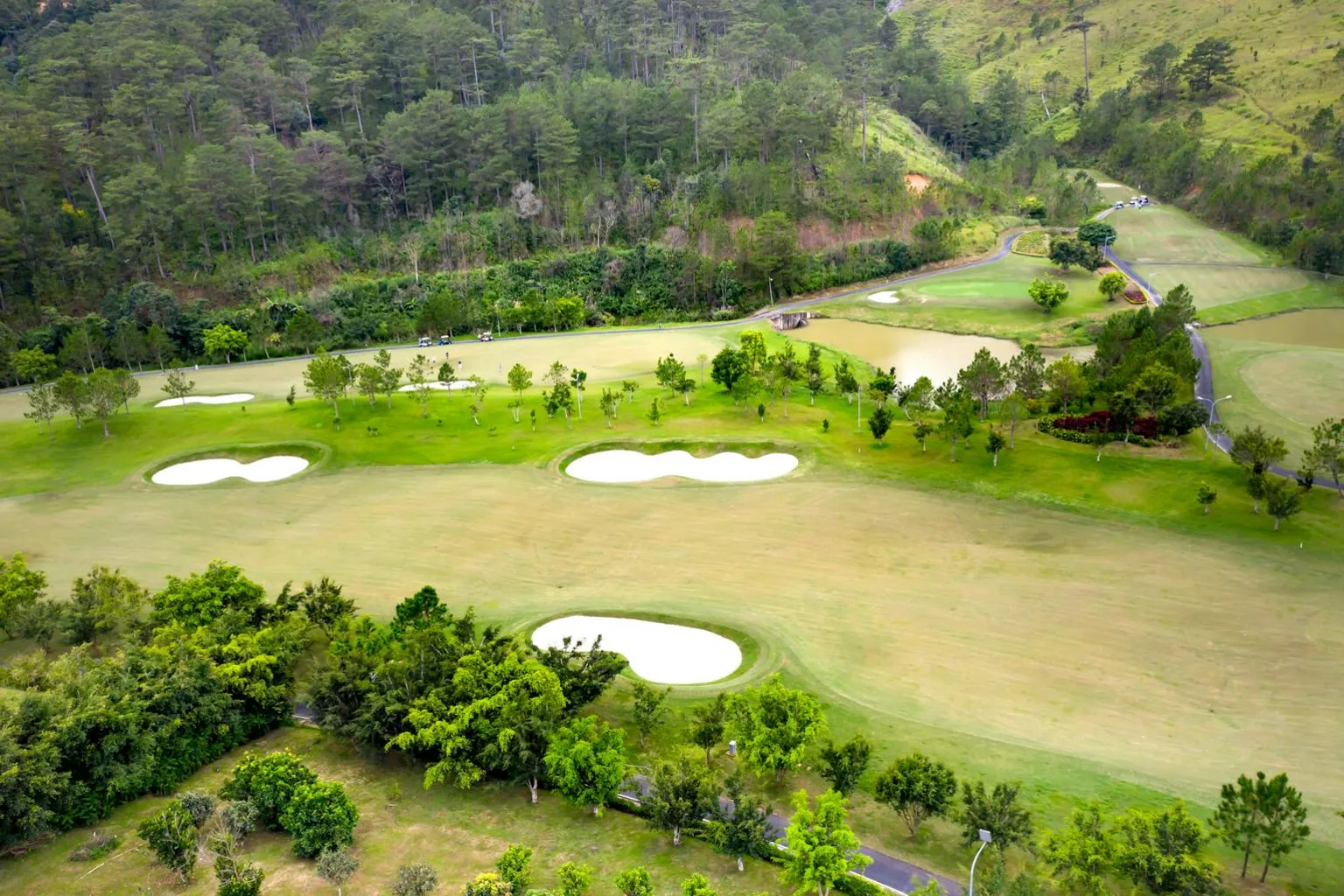
Upper-Mid Tier Golf Communities ($40K to $100K Initiation)
The Hills of Lakeway and Flintrock Falls, Lakeway
These two communities share a membership structure that gives golfers access to up to four courses, making them one of the best values in Austin’s private golf market. The Hills features Jack Nicklaus’ first signature course in Austin (the Live Oak course), plus the Yaupon course. Flintrock Falls, the adjacent gated community, has an 18-hole course co-designed by Jack Nicklaus and his son Jack Nicklaus II.
Golf initiation ranges from $42,000 to $50,000 with monthly dues around $825. Social membership starts at just $500. Homes in Flintrock Falls, a gated luxury community, range from $700,000 to over $2 million, while the broader Hills of Lakeway neighborhood offers homes from $500,000 to $1.5 million.
Ed Neuhaus, broker of Neuhaus Realty Group, notes that “the Hills and Flintrock combination offers something no other Austin golf community does: four Nicklaus-associated courses under one membership, all within a five-minute drive of Lake Travis marinas and Lakeway’s dining and retail corridor.”
Cimarron Hills Golf and Country Club, Georgetown
Cimarron Hills is the only 24/7 guard-gated country club community north of Austin. The 1,000-acre master-planned development in Georgetown features a Jack Nicklaus Signature 18-hole course with Hill Country views that rival anything south of the river.
The community houses approximately 600 homes with a median sale price around $1.15 million. A new phase of estate lots (0.5 to 1.9 acres) is planned for 2026. Every homeowner receives a social membership (pool, fitness center, dining) included with purchase, but golf membership requires a separate initiation fee and dues.
The community skews about one-third younger buyers with children, one-third empty nesters, and one-third retirees. HOA fees run approximately $425 per month and cover guard gate staffing, common area maintenance, and community amenities including a spa, tennis courts, pickleball courts, and swimming pools.
Georgetown’s lower property tax rates compared to Austin city limits, combined with proximity to the I-35 corridor and Round Rock’s tech employers, make Cimarron Hills attractive for buyers who want a private club lifestyle without Westlake or Bee Cave price tags.
Accessible Private Clubs ($4,500 to $15,000 Initiation)
Circle C Ranch Golf Club, South Austin
At $4,500 for initiation, Circle C Ranch is the most affordable private golf club in the Austin area. The Jay Morrish-designed course winds through the Circle C Ranch master-planned community in southwest Austin, offering solid golf without the six-figure buy-in.
Homes in Circle C Ranch range from the $400s to over $1 million, with the neighborhood feeding into Austin ISD schools. The community’s retail corridor along Escarpment Boulevard, proximity to Slaughter Creek Park and Lady Bird Johnson Wildflower Center, and relatively central location make it appealing for golfers who want private-club access alongside everyday suburban convenience.
Onion Creek Club, South Austin
Onion Creek Club carries PGA Tour heritage. The club hosted the Legends of Golf tournament for years, and the course’s wooded fairways, rolling terrain, and water-lined holes remain a strong draw. Located in far south Austin off I-35, Onion Creek is a private club with homes surrounding the course ranging from $400,000 to $1.5 million.
The clubhouse, fitness facilities, and dining options serve as the social hub for the community. For buyers who want a private club at a fraction of the cost of Barton Creek or Spanish Oaks, and who are comfortable with a south Austin commute, Onion Creek delivers a lot of course for the money.
Public-Course Golf Communities
Not every golfer wants (or needs) a private membership. Austin’s public-course communities offer homes adjacent to quality golf without initiation fees, mandatory dues, or membership committees. You pay per round, or you buy an optional membership that typically runs $200 to $400 per month.
Falconhead Golf Club, Bee Cave
Falconhead (also known as Spillman Ranch) is the standout public-course community in the Austin area. The PGA Tour Design Center-designed course plays through dramatic Hill Country terrain just west of Bee Cave, and the quality rivals many private clubs.
Membership options range from weekday-only access to a full-privilege family membership that includes reciprocal play at Avery Ranch and Teravista Golf Club. Homes range from the $600s to over $1 million, and residents benefit from Bee Cave’s remarkably low city property tax rate of $0.02 per $100 of assessed value, roughly $180 per year on a $900,000 home. The community feeds into Lake Travis ISD.
For buyers who love golf but do not want the financial commitment of a private club, Falconhead is the closest thing to a private-club feel at a public-course price point. See Falconhead in action for a glimpse of the course.
Avery Ranch Golf Club, Northwest Austin
Avery Ranch is one of the largest golf communities in the Austin area, located near the edges of Cedar Park and Round Rock. The public course anchors a sprawling master-planned community with multiple sections (Far West, The Reserve, North, Brookside, Creekside, Parkside, and Northwoods).
Homes range from the $200s to the $700s, making Avery Ranch the most affordable golf-adjacent community profiled in this guide. Five community centers, pools, sports courts, and miles of trails round out the amenity package. Round Rock ISD and Leander ISD serve different sections of the community.
Crystal Falls Golf Club, Leander
Crystal Falls is a public 18-hole course in Leander surrounded by a master-planned community offering homes from $285,000 to over $1 million. The community is divided into multiple sections (The Bluffs, Boulders, Cap Rock, The Highlands, The Fairways, Wild Rock, Grand Mesa), with gated sections available in The Fairways, Cap Rock, and Grand Mesa.
Amenities beyond the course include tennis courts, a fishing pond, playgrounds, two community pools, and hiking trails. Leander ISD serves the area. For buyers prioritizing affordability and wanting golf in their backyard, Crystal Falls is hard to beat.
Lago Vista Golf Course, Lago Vista
Lago Vista’s 18-hole championship course sits on a peninsula on the north shore of Lake Travis, 30 minutes from downtown Austin. The public course has been a Hill Country staple for over 30 years, and green fees remain among the most reasonable in the area.
Homes in Lago Vista range from the $200s to $800,000+, with lake-view and lake-access properties commanding premiums. The town’s small-scale Hill Country character, combined with lake recreation and affordable golf, appeals to retirees and remote workers who do not need a quick downtown commute.
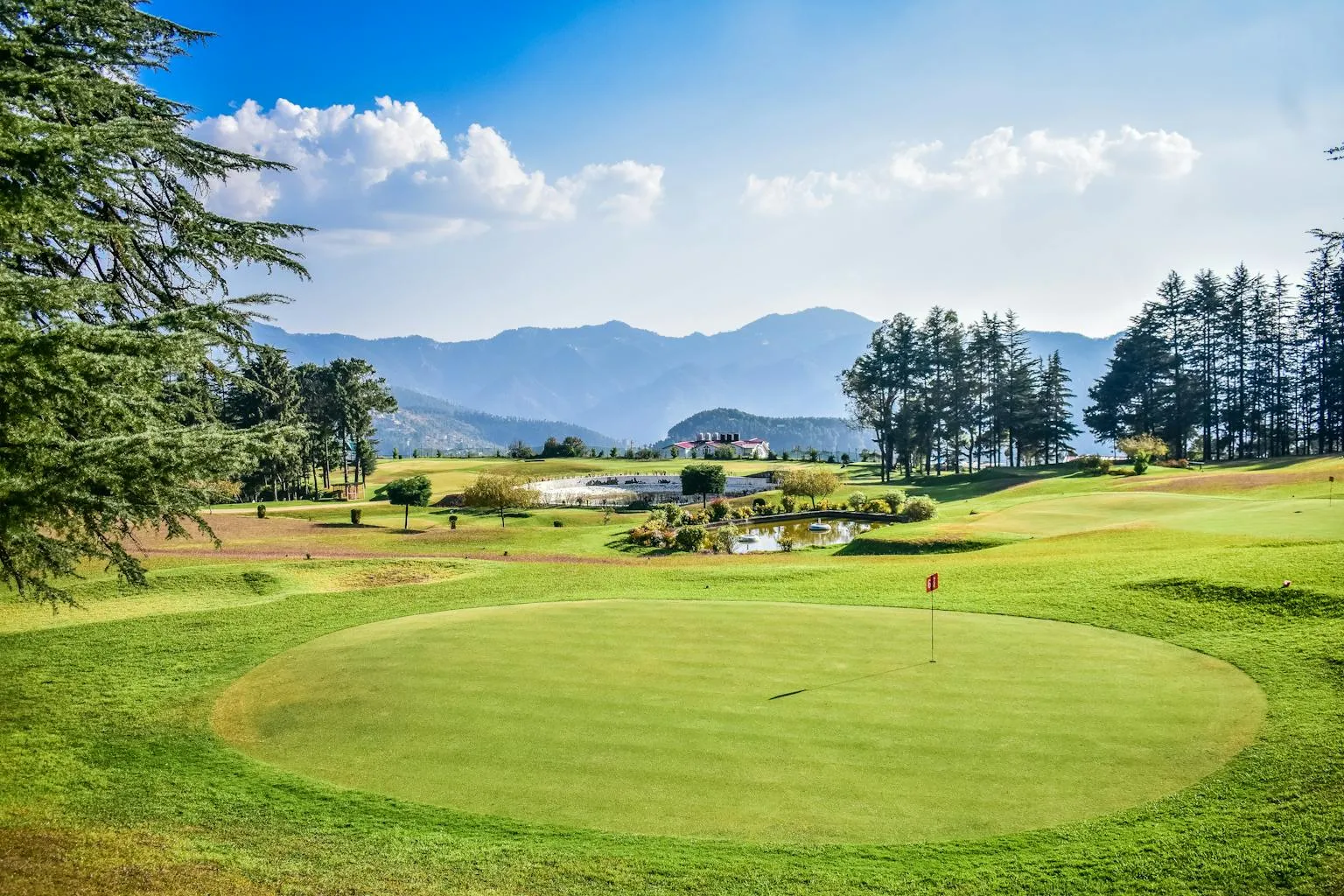
Resort and Destination Golf Communities
Horseshoe Bay Resort, Horseshoe Bay
Horseshoe Bay is the Austin area’s premier resort-golf destination, located 45 minutes west of Austin on the shores of Lake LBJ. The resort features four championship golf courses: three designed by Robert Trent Jones Sr. (Slick Rock, Apple Rock, and Ram Rock) and the members-only Summit Rock course designed by Jack Nicklaus, which Golf Digest named “Best New Course in America” upon its opening.
The resort spans more than 7,000 acres along Lake LBJ with a full-service marina, lakeside spa, tennis and pickleball facilities, and multiple dining venues. Residential options include everything from condominiums and villas to estate homes and the recently announced Signature Residences offering luxury lakeside getaways.
Membership extends to the member, spouse, and dependent children under 23. For buyers who want world-class golf, lake access, and a resort lifestyle without sacrificing Hill Country character, Horseshoe Bay delivers all of it, though the 45-minute drive to Austin proper makes it better suited for retirees, remote workers, and weekend-home buyers.
Austin Golf Club, Spicewood
Austin Golf Club is an exclusive, golf-only facility tucked into the Spicewood hills. The Ben Crenshaw and Bill Coore-designed course plays 6,892 yards at par 70, emphasizing strategic shot-making over raw length. The club has no residential component, making it a pure golf membership play. Members live throughout the Austin metro and drive to Spicewood for rounds.
Lakecliff Country Club, Spicewood
Lakecliff sits just off Lake Travis in Spicewood, featuring an Arnold Palmer-designed 18-hole course that opened in 2003. The 6,724-yard par-71 layout plays on Bermuda fairways with Bent grass greens, and several holes offer sweeping views of the Hill Country and glimpses of Lake Travis. The club serves as a social anchor for the Lakecliff on Lake Travis residential community. Homes in the area range from the $400s to over $1.5 million, with lake-view properties commanding significant premiums.
Year-Round Playing Conditions
One advantage that draws golfers from across the country to Austin: the playing season essentially never ends. Central Texas averages 228 days per year with temperatures above 60 degrees, and even in the coolest months (December through February), afternoon rounds are common when temperatures reach the 50s and 60s.
Summer is the tradeoff. From June through September, afternoon temperatures regularly exceed 100 degrees, pushing serious golfers to early morning tee times (6:00 to 8:00 AM) or late afternoon twilight rounds. Most private clubs in the Austin area offer dawn patrols and twilight rates specifically to accommodate the heat. Course conditions during summer depend heavily on the club’s irrigation infrastructure and budget. Well-funded private clubs maintain lush fairways year-round. Public courses may show stress by August.
Hill Country courses above the Balcones Escarpment (Cimarron Hills, Horseshoe Bay, Loraloma) tend to run 3 to 5 degrees cooler than courses closer to Austin’s urban core, thanks to higher elevation and less pavement-generated heat. This temperature differential is small but noticeable during peak summer months. For more on Austin’s seasonal weather patterns, see our Complete Guide to Austin Weather and Climate.
Comparing Membership Costs Across Austin Golf Communities
The cost of belonging to a golf community extends well beyond initiation fees and monthly dues. Food and beverage minimums, cart fees, assessment charges, HOA dues, and the home purchase itself all factor into the true annual cost.
| Club / Community | Initiation Fee | Monthly Dues | Home Price Range | Course Access |
|---|---|---|---|---|
| Spanish Oaks | $200,000 | $1,365 | $1.8M to $8M+ | Private, 18 holes |
| Austin Country Club | $150,000+ | $1,000+ | N/A (no residential) | Private, 18 holes |
| Barton Creek | $100K to $125K | $755 to $1,120 | $800K to $5M+ | Private, 72 holes |
| Driftwood | $100,000+ | $3,000+ | $3M to $15M+ | Private, 18 holes |
| Loraloma | TBD (new club) | TBD | $2M to $10M+ | Private, 18 holes |
| Westlake CC | $100,000 | $1,120 | $800K to $3M | Private, 18 holes |
| Hills / Flintrock | $42K to $50K | $825 | $500K to $2M+ | Private, 72 holes |
| Cimarron Hills | Varies | $425+ (HOA) | $700K to $2.5M+ | Private, 18 holes |
| Circle C Ranch | $4,500 | Varies | $400K to $1M+ | Private, 18 holes |
| Onion Creek | Varies | Varies | $400K to $1.5M | Private, 18 holes |
| Falconhead | None required | Optional | $600K to $1M+ | Public, 18 holes |
| Avery Ranch | None required | Optional | $200K to $700K | Public, 18 holes |
| Crystal Falls | None required | Optional | $285K to $1M | Public, 18 holes |
| Horseshoe Bay | Varies by tier | Varies | $300K to $3M+ | Resort, 72 holes |
Property Taxes in Golf Communities
Texas has no state income tax, which makes property taxes the primary ongoing cost of homeownership. For golf community buyers, the tax picture varies dramatically by location. For a deep dive into how Texas property taxes work, see our Complete Guide to Property Taxes in Austin.
Bee Cave is the clear winner on property taxes. The city’s tax rate of $0.02 per $100 of assessed value is essentially symbolic, saving Bee Cave homeowners thousands annually compared to Austin city limits. Both Spanish Oaks and Falconhead benefit from this rate. Lakeway’s city rate is higher but still below Austin’s. Georgetown (Cimarron Hills) falls under Williamson County, which has its own set of rates and taxing entities.
For homeowners 65 and older, the school district portion of property taxes freezes at the amount due in the year you turn 65, regardless of future increases in assessed value. This benefit, combined with Texas’s $140,000 general homestead exemption and an additional $60,000 over-65 exemption, makes golf community living in Texas particularly attractive for retirees (Texas Comptroller). For details on maximizing these savings, see our Complete Guide to Homestead Exemption in Texas.
Which Golf Community Fits Your Lifestyle?
The right golf community depends on three things: how often you play, what you can afford (total annual cost, not just the initiation fee), and what stage of life you are in.
For the Serious Golfer (3+ Rounds Per Week)
If golf is the primary reason you are choosing where to live, prioritize course quality and variety. Barton Creek gives you four courses and 72 holes under one membership, which means you will not burn out on the same layout. Horseshoe Bay offers the same variety with the added benefit of lake recreation. Spanish Oaks provides the best single course in the area with the lowest member count, translating to easy tee times and fast rounds.
For the Luxury Buyer Who Also Golfs
If the home, the gate, and the neighbors matter as much as the first tee, Spanish Oaks, Loraloma, and Driftwood are the conversation. Each offers estate-level living with world-class golf, but the lifestyle differences are meaningful. Spanish Oaks is closest to urban amenities (Bee Cave is five minutes away). Loraloma is the most nature-immersive (river frontage, 40 miles of trails). Driftwood is the most private (ranch-scale lots, far from everything).
For Buyers with School-Age Children
School district quality narrows the field fast. Falconhead and Spanish Oaks feed into Lake Travis ISD. Westlake Country Club is in Eanes ISD, consistently the top-rated district in the Austin area. Cimarron Hills is in Georgetown ISD, a strong and growing district. Crystal Falls is in Leander ISD, one of the fastest-growing districts in Texas. For a district-by-district comparison, see our Complete Guide to Austin School Districts.
For Retirees
Retirees should evaluate golf communities through the lens of total monthly carrying cost, healthcare proximity, and social programming. Cimarron Hills has the right demographic mix (roughly one-third retirees), strong social programming, and Georgetown’s proximity to Baylor Scott and White and St. David’s medical facilities. Horseshoe Bay appeals to retirees who want lake living alongside golf. The Hills and Flintrock Falls in Lakeway put you near medical facilities, restaurants, and a Costco without being in Austin traffic. For more on retirement living, see our Complete Guide to Retiring in Austin and the Hill Country.
For Budget-Conscious Golfers
Circle C Ranch gives you private-club access at public-course prices. Avery Ranch and Crystal Falls let you live on a golf course for under $500,000. Falconhead is the sweet spot for buyers who want excellent course quality with no initiation fee requirement, in one of the lowest-tax cities in the metro.
Course Quality and Designer Rankings
Not all golf courses are created equal, and the designer pedigree of Austin’s courses is genuinely impressive for a metro area of this size.
| Community | Course Designer | Notable Distinction |
|---|---|---|
| Spanish Oaks | Bobby Weed | #3 private course in Texas (Golfweek) |
| Austin Country Club | Pete Dye | Lake Austin bluff-top setting |
| Barton Creek (Foothills/Canyons) | Tom Fazio | Two Top 100 Texas courses |
| Barton Creek (Cliffside) | Crenshaw & Coore | Natural terrain minimalism |
| Barton Creek (Palmer Lakeside) | Arnold Palmer | Lake Travis waterfront play |
| Horseshoe Bay (Summit Rock) | Jack Nicklaus | “Best New Course in America” (Golf Digest) |
| Horseshoe Bay (3 courses) | Robert Trent Jones Sr. | Three classic Hill Country layouts |
| Cimarron Hills | Jack Nicklaus | Signature course, Hill Country panoramas |
| Flintrock Falls | Nicklaus & Nicklaus II | Gated community course |
| Loraloma | David McLay Kidd | Newest course in Austin (2025) |
| Austin Golf Club | Crenshaw & Coore | Golf-purist design, no residential |
| Driftwood | TBD / proprietary | Ranch-style exclusivity |
The Real Cost of Golf Community Living
The initiation fee is just the door. Here is what the first year actually looks like at three different price points, assuming a home purchase with 20% down and a 6.5% mortgage rate.
Entry Level: Falconhead (Bee Cave)
- Home purchase: $800,000
- Mortgage payment (P&I): ~$4,044/month
- Property taxes: ~$1,100/month (Bee Cave rate + school + county)
- HOA: ~$150/month
- Golf membership: Optional, ~$300/month
- Total monthly: ~$5,594
Mid-Range: Barton Creek (Austin)
- Home purchase: $1,500,000
- Mortgage payment (P&I): ~$7,582/month
- Property taxes: ~$2,500/month
- HOA: ~$350/month
- Golf initiation (amortized over 10 years): ~$1,042/month
- Golf monthly dues: ~$1,120/month
- Total monthly: ~$12,594
Ultra-Luxury: Spanish Oaks (Bee Cave)
- Home purchase: $3,500,000
- Mortgage payment (P&I): ~$17,692/month
- Property taxes: ~$3,200/month (lower Bee Cave rate)
- HOA: ~$500/month
- Golf initiation (amortized over 10 years): ~$1,667/month
- Golf monthly dues: ~$1,365/month
- Total monthly: ~$24,424
Golf and Resale Value in Austin
One of the most common questions buyers ask: does living on a golf course help or hurt resale value? The answer in Austin is nuanced. In well-managed private communities with controlled membership and strong demand, golf-fronting homes consistently outperform non-course homes. The exclusivity creates scarcity, and scarcity drives premiums.
In public-course communities, the premium is smaller. Buyers in Avery Ranch or Crystal Falls are choosing the neighborhood for location, schools, and price point first, and the golf course second. The course is an amenity, not the anchor. That said, homes with direct fairway views still sell faster than those facing another home’s backyard, simply because the open green space is visually appealing regardless of whether the buyer plays golf.
The risk factor is course closure. When a private club fails financially or a public course gets sold to a developer, the impact on home values can be devastating. Before buying in any golf community, research the club’s financial health. Ask for audited financial statements, membership trends (growing or declining?), and the owner/operator’s long-term commitment. A course that has changed ownership three times in 10 years is a red flag. Austin has been fortunate to avoid high-profile golf course closures, but the risk exists in any market.
For buyers considering the investment side of golf community real estate, our Complete Guide to Investment Property in Austin covers the financial analysis framework you will need.
What to Ask Before Joining a Golf Community
Before you write a deposit check, ask these questions. The answers separate the right fit from an expensive mistake.
- Is the initiation fee refundable? Some clubs return your initiation (minus a processing fee) when you resign, which makes the upfront cost more of a deposit than a loss. Others keep every dollar.
- Is the membership transferable? At clubs like Barton Creek, transferable memberships carry a premium but can be sold to a new buyer, potentially recovering some or all of the cost when you sell your home.
- What is the food and beverage minimum? Many private clubs require members to spend $150 to $500 per month at the club’s dining venues, regardless of whether you eat there. This is not optional.
- What is the assessment history? Clubs periodically levy special assessments for course renovations, clubhouse upgrades, or capital improvements. Ask for the last 10 years of assessment history. A club that has levied $30,000 in assessments over a decade is telling you something about its financial health.
- What does the HOA cover, and what does it not? In bundled communities like Cimarron Hills, the HOA is separate from club dues. Make sure you understand both layers of cost. For a deep dive into HOA evaluation, see our Complete Guide to HOAs in Austin.
- What are the guest policies? Some clubs allow unlimited guest play. Others restrict guests to a handful of rounds per year or charge significant guest fees. If you entertain frequently, this matters.
- What is the current membership count versus the cap? A club at 85% of its cap has room to grow. A club at capacity has a waitlist, which can be a sign of prestige but also means your friends cannot join.
- Can you resign membership if you sell your home? Some bundled communities require you to maintain membership as long as you own property. Others let you resign at any time.
Buying a Home in a Golf Community
Golf community home purchases have a few wrinkles that standard transactions do not. First, many private communities have a right of first refusal, meaning the HOA or club can match any purchase offer and buy the property themselves. This rarely happens, but it can add 30 to 60 days to the closing timeline.
Second, golf course views command a premium, but not all views are created equal. A home overlooking the 18th green or a par-3 tee box sees significantly more foot traffic (and errant shots) than one along a quiet fairway. Corner lots where two fairways diverge offer the widest views with the least intrusion.
Third, homes on the course may face restrictions on fencing, landscaping, and exterior modifications that homes elsewhere in the community do not. Review the CC&Rs carefully. A “no fence” rule along the course side of a property is common and non-negotiable.
According to Neuhaus Realty Group‘s analysis of Austin-area MLS data, golf-course-fronting homes in private communities carry a 12% to 18% premium over comparable homes in the same community without course views. That premium holds on resale, though it is most pronounced in communities where supply is constrained (Spanish Oaks, Cimarron Hills) and least significant where inventory is deeper (Avery Ranch, Crystal Falls).
For guidance on financing, including jumbo loan options for luxury golf community purchases, see our Complete Guide to Getting a Mortgage in Austin. For the buying process itself, our First-Time Homebuyer Guide walks through every step from pre-approval to closing.
Frequently Asked Questions
Finding the Right Golf Community in Austin
Golf community living in Austin is growing faster than the city itself. With Loraloma’s 2025 opening, Cimarron Hills’ new estate phase, and continued demand at established clubs, the options for golf-oriented buyers have never been broader. But more options also mean more complexity.
The right community depends on your honest assessment of how much golf you will actually play, what total monthly carrying cost you are comfortable with, and whether the community’s demographic and social character match your own. A $200,000 initiation fee is a sound investment if you play 150 rounds a year and value uncrowded conditions. It is a poor investment if you play 20 rounds and joined because the course looked impressive from the model home tour.
For buyers relocating to Austin from out of state, tour the course before you tour the homes. Play a round as a guest if the club allows it. Talk to members in the parking lot after their round, not the membership director in the clubhouse. The best intel on a club’s culture, pace of play, and maintenance standards comes from people who are already writing the monthly check.
For personalized guidance on buying in any Austin-area golf community, contact Neuhaus Realty Group for a consultation.