What the Texas Hill Country Actually Is (and Why People Move There)
The Texas Hill Country spans approximately 24 million acres of central Texas, a limestone uplift roughly the size of Indiana that rises from the Balcones Escarpment running through Austin and San Antonio. More than 100 wineries dot the 9-million-acre Texas Hill Country AVA (the third-largest American Viticultural Area in the nation), median home prices range from $307,000 in New Braunfels to $763,000 in Dripping Springs, and communities from Wimberley to Fredericksburg consistently rank among the most desirable places to live in Texas.
What most people call the “Hill Country” is technically the eastern, dissected portion of the Edwards Plateau, where millions of years of erosion carved a relatively flat limestone table into the rolling hills, spring-fed creeks, and dramatic canyons that draw thousands of new residents each year. The region extends roughly from Austin and San Antonio westward to the Pecos River, covering portions of more than 25 counties.
According to the Texas Real Estate Research Center, Hill Country markets entered 2026 in a buyer-friendly position with expanded inventory across every major community. Dripping Springs recorded 7.9 months of supply in early 2026, Wimberley sits at 7.9 months, and even fast-growing Boerne has shifted from a seller’s market to balanced conditions. Forecasters project a modest 2% price increase across the region for 2026, signaling stability after several years of correction from pandemic-era peaks.
Ed Neuhaus, broker of Neuhaus Realty Group, notes that the Hill Country represents an increasingly distinct market from Austin proper. “Buyers choosing the Hill Country aren’t just looking for a house. They’re choosing a lifestyle, whether that’s 10 acres with an ag exemption, a Fredericksburg weekend property, or a Wimberley homestead on Cypress Creek. Each community has its own character, price point, and trade-offs.”
Geography, Terrain, and What Makes It “Hill Country”
The Edwards Plateau sits at elevations ranging from 100 to 3,000 feet, with bedrock consisting primarily of Cretaceous-era limestone. This geology creates several distinctive features that define daily life in the region:
Limestone karst terrain. The soft, easily dissolved rock means caves are numerous, springs are abundant, and the aquifer system is both productive and vulnerable. The Edwards Aquifer provides drinking water for nearly 2 million people across the region.
Thin soils over bedrock. Most Hill Country land has 6 to 18 inches of topsoil over solid limestone. This affects everything from foundation construction (pier-and-beam is common) to landscaping (native plants thrive, lawns struggle) to well drilling (deeper wells, higher costs).
Rolling topography. Elevations change rapidly. A 50-acre property might have 200 feet of elevation change, creating both dramatic views and construction challenges. Building pads often require blasting or extensive excavation.
Spring-fed waterways. The Pedernales River, Guadalupe River, Blanco River, Frio River, and dozens of creeks provide the swimming holes, kayaking, and fishing that define Hill Country recreation. Water levels fluctuate dramatically with rainfall.
The landscape is primarily savanna scattered with live oak, cedar (actually Ashe juniper), and native grasses. The dense cedar contributes to the infamous “cedar fever” allergy season from December through February, when pollen counts can exceed 8,000 particles per cubic meter.
Hill Country Communities: A Complete Comparison
Each Hill Country town has a distinct personality, price point, and set of trade-offs. Here is how the major communities compare in 2026:
| Community | Median Home Price (2026) | Distance to Austin | Character | Best For |
|---|---|---|---|---|
| Dripping Springs | $763,000 | 25 miles | Fast-growing, family-oriented, top schools | Commuters, young professionals with children |
| Wimberley | $500,000-$600,000 | 40 miles | Artsy, bohemian, creek-side living | Artists, retirees, remote workers |
| Boerne | $630,000-$660,000 | 55 miles (closer to SA) | German heritage, fast-growing, upscale | San Antonio commuters, retirees, professionals |
| Fredericksburg | $510,000-$548,000 | 80 miles | Tourism hub, wineries, German heritage | Retirees, weekend property owners, B&B investors |
| New Braunfels | $351,000-$407,000 | 50 miles | River town, German roots, rapid growth | Affordability seekers, outdoor enthusiasts |
| Marble Falls | $375,000-$425,000 | 50 miles | Lake access, small-town feel | Lake enthusiasts, retirees, budget-conscious buyers |
| Johnson City | $350,000-$450,000 | 50 miles | LBJ heritage, rural, growing wine scene | Acreage buyers, hobby ranchers, history buffs |
| Blanco | $400,000-$500,000 | 45 miles | Small-town charm, lavender capital of TX | Quiet living, artists, small-business owners |
| Canyon Lake | $375,000-$475,000 | 55 miles | Lake community, recreational focus | Water sports enthusiasts, retirees |
Dripping Springs
The closest Hill Country community to Austin (25 miles from downtown), Dripping Springs has transformed from a sleepy ranch town into one of the fastest-growing areas in the state. Dripping Springs ISD consistently ranks among the top school districts in Texas. The trade-off: prices reflect that proximity and those schools. At $763,000, it is the most expensive Hill Country market outside Westlake.
The town has experienced explosive commercial growth, with new H-E-B locations, restaurants, and a booming distillery and brewery corridor along Highway 290. Properties range from smaller lots in master-planned communities to 10-50 acre parcels along Fitzhugh Road and Hamilton Pool Road.
Wimberley
Forty miles southwest of Austin, Wimberley maintains a deliberately slower pace. The Wimberley Valley is known for Cypress Creek, Blue Hole Regional Park, Jacob’s Well Natural Area, and a thriving arts community centered around the town square. Market Square hosts vendors, galleries, and live music on weekends.
With 165 active listings and 7.9 months of supply in early 2026, buyers have significant negotiating power. Closings averaged 8.5% below asking price in April 2026. The typical home value of $560,000 is down 11.1% from the prior year peak, creating entry points that did not exist in 2022 or 2023.
Boerne
Located 30 miles north of San Antonio along I-10, Boerne (pronounced “Bernie”) is Kendall County’s seat and one of the fastest-growing communities in the region. The city grew from 17,850 residents in 2020 to approximately 20,518 in 2024, a 15% increase (U.S. Census Bureau).
Boerne’s appeal centers on its walkable Main Street (with German heritage shops and restaurants), proximity to San Antonio employment centers, and intentionally limited buildable land that supports long-term values. Median sale prices range from $630,000 to $660,000 with homes averaging 86-118 days on market.
Fredericksburg
The tourism capital of the Hill Country, Fredericksburg attracts over 1 million visitors annually to its wineries, shops, and festivals. The town’s German heritage dates to 1846, and the Main Street (Hauptstrasse) remains one of the most photographed downtown areas in Texas.
Real estate here serves two distinct markets: primary residences for retirees and remote workers, and investment properties (vacation rentals and B&Bs). The average home value is $548,000, down 7.7% from the prior year. Homes sit on market an average of 105-226 days, reflecting the shift to buyer-friendly conditions.
Southern Living selected Fredericksburg as the location for its 2026 Idea House, further cementing the town’s reputation as a design and lifestyle destination.
New Braunfels
Straddling I-35 between Austin and San Antonio, New Braunfels offers the most affordable entry point into Hill Country living. Median prices ranged from $307,000 to $407,000 in early 2026, depending on the month and property type. The Comal and Guadalupe rivers run through town, providing the tubing, kayaking, and swimming that draw both residents and tourists.
Schlitterbahn waterpark, Gruene Hall (the oldest continually operating dance hall in Texas), and the historic Gruene district make New Braunfels a year-round destination. The trade-off: it is the most urban and traffic-heavy of the Hill Country communities, particularly during summer tourist season.
Other Communities Worth Knowing
Marble Falls sits on the Highland Lakes chain, offering lake access at lower prices than Lake Travis. Burnet County property taxes are lower than Travis County, and the town has invested heavily in downtown revitalization.
Johnson City anchors the wine corridor along Highway 290 between Austin and Fredericksburg. LBJ National Historical Park and the growing roster of wineries and distilleries define the local economy. Acreage is more available and affordable here than in communities closer to Austin.
Blanco (the “Lavender Capital of Texas”) hosts the annual Blanco Lavender Festival each June (the 21st annual runs June 5-7, 2026). The Blanco River runs through town, Real Ale Brewing Company is a local institution, and the historic courthouse square anchors a growing creative community.
Canyon Lake is a recreation-focused community on the Guadalupe River’s largest reservoir. The lake’s 80 miles of shoreline draw boaters, anglers, and swimmers. Homes range from modest cabins to luxury waterfront estates.
The Hill Country Lifestyle: What Daily Life Actually Looks Like
Living in the Hill Country means accepting a set of trade-offs that differ fundamentally from urban or suburban Austin life:
Pace is slower by design. Most Hill Country towns lack the restaurant density, nightlife, and convenience of Austin. A trip to H-E-B might be 15-30 minutes each way. Dining options are excellent but limited compared to the city.
Nature is the primary amenity. The appeal is space, views, dark skies, wildlife, and quiet. Residents spend time on their land (gardening, raising animals, maintaining trails) rather than at urban entertainment venues.
Community is tight-knit. Smaller towns mean you know your neighbors, your mail carrier, your barista. Volunteer fire departments, Lions Clubs, and school events form the social fabric. Newcomers who participate integrate quickly; those expecting urban anonymity may feel exposed.
Self-reliance is expected. Rural properties require more active management: well pumps fail, septic systems need maintenance, roads wash out, and power outages last longer than in the city. Most Hill Country homeowners own generators, maintain water reserves, and keep basic tools for property maintenance.
The commute question. Remote workers thrive in the Hill Country. If you need to be in an Austin or San Antonio office daily, communities like Dripping Springs (25 miles to Austin) or Boerne (30 miles to San Antonio) keep the drive manageable. Fredericksburg (80 miles from Austin) works only for those with fully remote or tourism-based work.
Wine, Cuisine, and the Culinary Hill Country
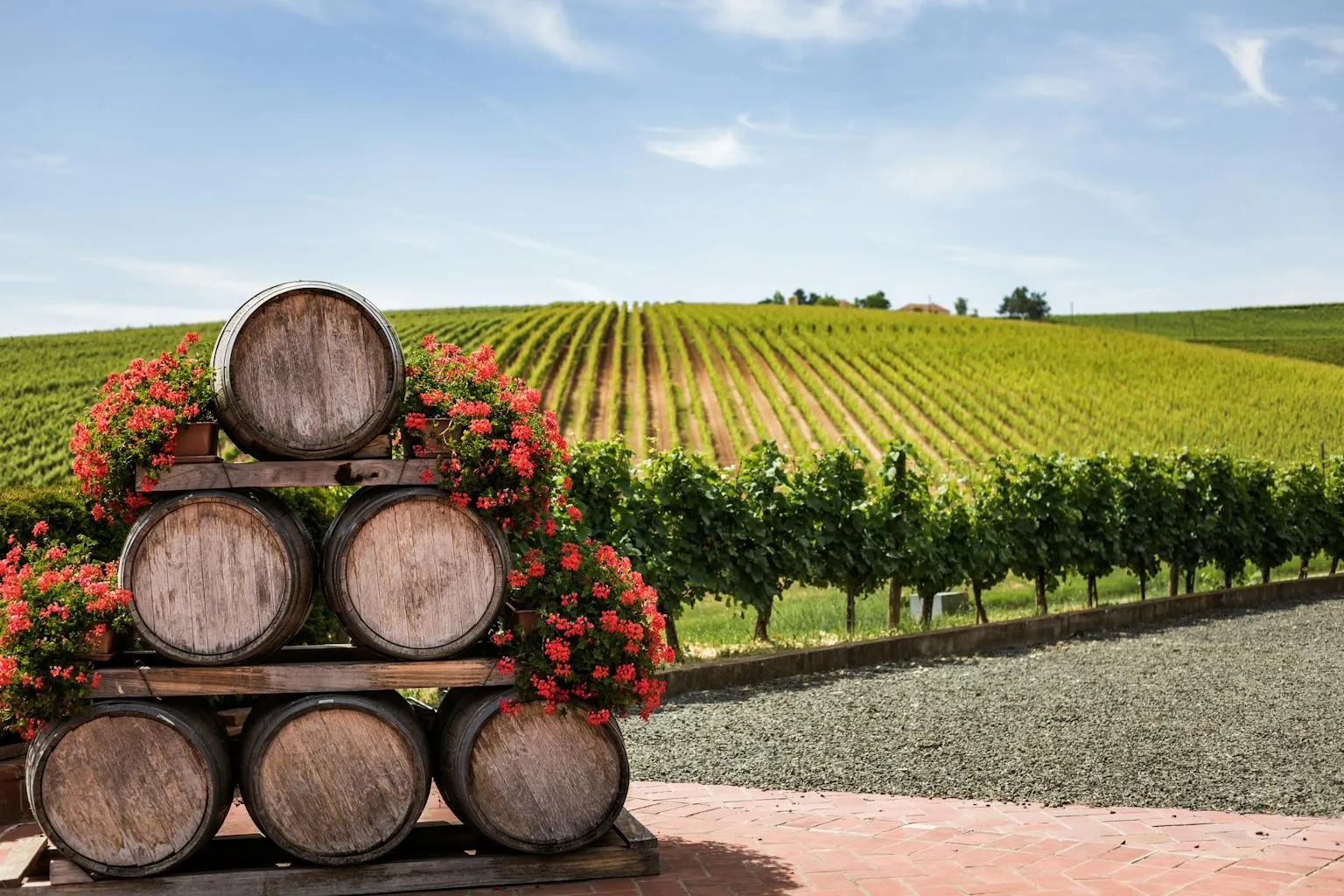
The Texas Hill Country wine industry has matured dramatically over the past decade. More than 100 wineries now operate across the region, with the Texas Hill Country AVA recognized as the third-largest AVA in the nation at 9 million acres.
The Highway 290 corridor between Johnson City and Fredericksburg is the densest concentration of tasting rooms, but wineries scatter throughout the region from Wimberley to Marble Falls. Texas Hill Country Wineries (the industry organization) has grown to more than 60 winery members and hosts four passport events annually:
- Wine Lovers Celebration (January-February): 55+ participating wineries
- Wine & Wildflower Journey (March-April): Timed to bluebonnet season
- Summer Season Pass (June-August): New for 2026, the longest passport event yet
- Christmas Wine Affair (November-December): Holiday-themed tastings
Beyond wine, the Hill Country culinary scene has its own identity. Barbecue smokehouses, German biergartens and bakeries (particularly in Fredericksburg, New Braunfels, and Boerne), farm-to-table restaurants sourcing from local ranches, craft distilleries along the “Whiskey Trail,” and peach stands in Stonewall and Gillespie County during summer harvest all define the region’s food culture.
Blanco’s Real Ale Brewing, Jester King in Dripping Springs (one of the most acclaimed farmhouse breweries in the country), and dozens of craft operations make the Hill Country a beer destination as well.
Events and Seasons: The Hill Country Calendar
The Hill Country operates on a seasonal rhythm driven by weather, wildflowers, and agriculture:
Spring (March-May): Wildflower season is the signature event. Bluebonnets, Indian paintbrush, and dozens of other species blanket roadsides and pastures from mid-March through April. Willow City Loop near Fredericksburg is the most famous driving route. Wine & Wildflower Journey passport event runs March through April. Weather is ideal, and real estate activity peaks.
Summer (June-September): Peach season in Stonewall and Gillespie County (June-August). The Stonewall Peach Jamboree and Rodeo celebrates the harvest. Blanco Lavender Festival (June 5-7, 2026). River activities peak on the Guadalupe, Blanco, Frio, and San Marcos rivers. Temperatures regularly exceed 100 degrees from July through September, and outdoor activity shifts to early morning and evening.
Fall (October-November): Comfortable temperatures return. Fall foliage (more subtle than New England, but present in cypress trees along waterways). Oktoberfest celebrations in Fredericksburg and New Braunfels. Hunting season begins (white-tailed deer, dove, turkey). Wine harvest season.
Winter (December-February): Mild by national standards (lows in the 30s-40s, occasional freezes). Christmas Wine Affair passport event. Cedar fever season (December-February) with Ashe juniper pollen counts that can exceed 8,000 particles per cubic meter. Luckenbach’s year-round live music continues through winter.
Luckenbach and the Music Scene
Luckenbach (population: 3, spirit: limitless) sits just outside Fredericksburg and hosts live music nearly every day of the year. The general store, dance hall, and outdoor stage have been drawing musicians and audiences since the 1970s when Waylon Jennings and Willie Nelson put the hamlet on the map. The Hill Country’s live music tradition extends to Gruene Hall in New Braunfels (opened 1878), the Mercer Street Dance Hall in Dripping Springs, and dozens of winery stages throughout the region.
Infrastructure: Water, Internet, and Roads
Infrastructure is the most important practical consideration for Hill Country buyers, and it differs dramatically from city living.
Water
Most rural Hill Country properties rely on private wells drawing from the Edwards Aquifer or Trinity Aquifer. Well depths range from 200 to 800+ feet depending on location, with drilling costs of $15,000 to $50,000+. Flow rates vary significantly; a good Hill Country well produces 5-20 gallons per minute, though some areas produce less than 1 GPM.
The Edwards Aquifer Authority regulates withdrawals in its jurisdiction, and several Groundwater Conservation Districts (GCDs) manage pumping in other areas. Water availability is the single most important due-diligence item for any Hill Country land purchase.
Municipal water (from cities like Dripping Springs, Wimberley, or Boerne) is available within city limits and some ETJ areas, but rural properties beyond these boundaries are well-dependent. The Hill Country Alliance has documented that Texas loses an estimated 186 billion gallons of water annually from aging pipeline infrastructure alone.
Internet
Broadband access varies wildly across the Hill Country. The limestone terrain that makes the region beautiful also makes it expensive to trench fiber or cable. Twenty-five percent of Texas farms have no internet access at all, and many Hill Country areas outside city limits face similar gaps.
Options by area:
- Within city limits (Dripping Springs, Boerne, New Braunfels): Fiber or cable available from major providers (Spectrum, AT&T Fiber, Google Fiber in limited areas)
- Rural subdivisions: Fixed wireless (Nextlink, Rise Broadband) delivering 25-100 Mbps
- Remote acreage: Starlink satellite ($120/month, 40-220 Mbps, no contracts) has transformed rural connectivity since 2022
- T-Mobile 5G Home Internet: Available in some areas ($50-$70/month) where tower coverage reaches
Before purchasing rural property, test cellular coverage on-site, verify what fixed providers serve the address, and understand that Starlink performance varies with tree cover and latitude.
Roads
Hill Country roads are part of the appeal (scenic two-lanes through ranch land) and part of the challenge (narrow, winding, no shoulders, deer crossings, flooding). Key considerations:
- Low-water crossings flood during rain events. Flash floods kill more people in Central Texas than any other weather hazard.
- County roads may not be maintained to city standards. Some rural properties are accessed via caliche or gravel roads.
- No major freeways connect most Hill Country towns (I-35 serves New Braunfels; I-10 serves Boerne). Highway 290, Highway 281, and Ranch Roads are the connective tissue.
- Two-lane highways mean that a 30-mile trip can take 45-60 minutes depending on tourist traffic, particularly on weekends in wine country.
Wildlife, Dark Skies, and Natural Features
The Hill Country’s natural environment is a primary draw for residents. Understanding what you are buying into matters for both enjoyment and practical property management.
Wildlife
White-tailed deer are ubiquitous. Expect them in your yard, on your roads, and in your garden. The region also hosts the largest population of free-ranging axis deer in North America (approximately 39,040 animals reported statewide, with 68% concentrated in the Edwards Plateau). Other common wildlife includes wild turkey, feral hogs, Rio Grande turkey, gray fox, ringtail, armadillo, and multiple snake species (including western diamondback rattlesnake and copperhead).
For property owners: deer fencing (8-foot minimum) is necessary for serious gardening or landscaping. Feral hog damage to pastures and lawns is a significant issue, and many landowners contract with trappers or manage populations actively.
Dark Skies
The Hill Country is one of the best stargazing regions in the southern United States. Two certified International Dark Sky Parks anchor the western end of the region:
- Enchanted Rock State Natural Area (north of Fredericksburg): Bortle Scale 3, hosts star parties throughout the year. One of the darkest public sites in Central Texas.
- South Llano River State Park (Junction): Bortle Scale 3, sells nighttime passes specifically for stargazing. The Milky Way is clearly visible.
Even on private property outside city limits, the Hill Country offers dark enough skies to see the Milky Way on clear nights. Light pollution increases closer to Austin and San Antonio, so buyers prioritizing dark skies should look west of Blanco County.
The Enchanted Rock Experience
Enchanted Rock State Natural Area, a massive pink granite dome rising 425 feet above the surrounding terrain, is the region’s most iconic natural feature. The park reaches capacity frequently during spring and fall weekends (arrive before 9 AM or visit midweek). Beyond the summit hike, the park offers rock climbing, backcountry camping, and some of the best dark-sky viewing in the state.
Acreage Properties and Land Ownership
Buying acreage is one of the primary reasons people choose the Hill Country over suburban Austin. Land prices vary dramatically by county, road access, water availability, and proximity to towns:
| County | Typical Price Per Acre (2026) | Character |
|---|---|---|
| Hays (Dripping Springs, Wimberley) | $40,000-$80,000+ | Closest to Austin, highest demand |
| Blanco (Johnson City, Blanco) | $20,000-$45,000 | Wine corridor, moderate demand |
| Comal (New Braunfels, Canyon Lake) | $25,000-$50,000 | River access, growing fast |
| Kendall (Boerne) | $30,000-$60,000 | Limited supply, SA proximity |
| Gillespie (Fredericksburg) | $25,000-$50,000 | Tourism driven, wine country |
| Burnet (Marble Falls) | $15,000-$35,000 | Highland Lakes, more affordable |
| Llano (Llano, Kingsland) | $10,000-$25,000 | Most rural, best dark skies |
Key considerations when buying Hill Country acreage:
- Water first. Verify well production or water availability before anything else. Some areas of the Hill Country are effectively unbuildable due to insufficient groundwater.
- Road access. Confirm the property has legal, year-round access. Easement disputes are common in the Hill Country where parcels were subdivided from larger ranches.
- Deed restrictions. Some areas have restrictions on mobile homes, commercial use, or subdivision. Others have none. Know before you buy.
- Septic feasibility. Thin soils over limestone can make conventional septic systems impossible. Aerobic systems cost $15,000-$25,000+ to install.
- Flood zones. Creek bottoms and low-water crossings may be in FEMA flood zones. Check before purchasing.
For a comprehensive treatment of the land-buying process, see the Complete Guide to Buying Land in the Texas Hill Country.
Agricultural Exemptions and Wildlife Management
Property tax savings through agricultural use valuation (“ag exemption”) are one of the most significant financial advantages of Hill Country land ownership. Texas does not technically “exempt” agricultural land from taxes; rather, it appraises the land at its productive agricultural value instead of its market value. The difference can reduce the taxable value of land by 95-98% or more.
How It Works
A 20-acre parcel in Hays County with a market value of $60,000 per acre ($1.2 million total land value) might be appraised at $500-$1,500 per acre for agricultural purposes ($10,000-$30,000 total). At a 2% tax rate, that is the difference between a $24,000 annual tax bill and a $200-$600 bill on the land portion alone.
Qualifying Activities
The most common qualifying agricultural uses in the Hill Country include:
- Cattle ranching (most common; minimum stocking rates vary by county)
- Goat or sheep raising (popular on smaller acreage)
- Hay production
- Beekeeping (increasingly used for smaller tracts; typically requires 5-20 hives depending on county)
- Timber production (less common in Hill Country than East Texas)
Wildlife Management Valuation
Land that already holds agricultural valuation can convert to wildlife management use, which allows landowners to maintain the tax benefit without running livestock. Property owners must engage in at least three of seven recognized practices: habitat control, erosion control, predator management, providing supplemental water, providing supplemental food, census counts, or providing shelters.
A wildlife management plan (filed on Form 50-129 between January 1 and April 30) must be submitted to the county appraisal district. There is no statewide minimum acreage requirement, though individual appraisal districts typically require 10 acres or more.
Rollback Taxes: The Critical Warning
If agricultural or wildlife management valuation is lost (through change of use, subdivision, or failure to maintain qualifying activity), the property owner becomes liable for “rollback taxes” covering the difference between market-value taxes and agricultural-value taxes for the previous five years, plus 7% annual interest. On a 20-acre parcel, this can easily exceed $100,000. Buyers purchasing land with an existing ag exemption must maintain qualifying use or budget for rollback liability.
Building on Hill Country Terrain
Constructing a home on Hill Country land presents challenges that do not exist in suburban developments. Site work costs of $20,000-$100,000+ are common before a single wall goes up.
Limestone blasting. Many Hill Country building sites require blasting to create a level pad, install utilities, or excavate for foundations. This adds $10,000-$50,000+ to construction costs depending on the extent of rock removal.
Septic engineering. With thin soils over limestone, conventional gravity-fed septic systems often cannot be installed. Aerobic treatment units ($15,000-$25,000 installed) or alternative systems are required. TCEQ permitting can take 4-8 weeks.
Well drilling. Costs range from $15,000 to $50,000+ depending on depth and geology. Not every well produces adequate water. Dry holes happen, and there is no guarantee of production until drilling is complete.
Road construction. Building an access road on steep, rocky terrain can cost $20-$50 per linear foot for a basic caliche road, or $100+ per foot for paved access.
Custom home costs. The Complete Guide to Building a Custom Home in Austin documents costs of $325-$500 per square foot for Hill Country construction. A 2,500-square-foot home on Hill Country terrain realistically starts at $800,000-$1.25 million including land, site work, well, septic, and construction.
Permitting. Outside city limits, many Hill Country properties fall in county jurisdiction only, which means fewer building code requirements but also fewer inspections. Some counties require virtually nothing beyond septic permits; others have adopted residential building codes. Verify requirements with the specific county before purchasing.
Property Taxes in the Hill Country
Property taxes vary significantly across the Hill Country depending on county, school district, and any special districts (MUDs, ESDs, WCIDs). Texas has no state income tax, so property taxes fund local services entirely.
Effective tax rates by area (approximate 2026):
- Hays County (Dripping Springs, Wimberley): 1.8-2.2%
- Comal County (New Braunfels, Canyon Lake): 1.6-2.0%
- Kendall County (Boerne): 1.5-1.9%
- Gillespie County (Fredericksburg): 1.4-1.8%
- Blanco County (Johnson City, Blanco): 1.5-1.9%
- Burnet County (Marble Falls): 1.5-1.9%
The Texas homestead exemption ($140,000 off school district value for all homeowners, plus additional exemptions for those 65+) applies throughout the Hill Country (Texas Comptroller). Over-65 homeowners receive a school tax freeze at the level in place when they turn 65, which can produce dramatic savings over time.
For investment properties and second homes: no homestead exemption applies, so the full market value is taxable. The property tax protest process works the same across all Hill Country counties, though each county has its own appraisal district and hearing schedule.
Schools and Education in Hill Country Communities
School quality varies significantly across the Hill Country. The most highly rated districts are:
- Dripping Springs ISD: Consistently ranked among the top 5-10 districts in Texas. The primary reason many buyers choose Dripping Springs despite premium pricing.
- Boerne ISD: Strong academic performance with a growing enrollment driven by Kendall County’s population boom.
- Wimberley ISD: Small district with strong community involvement and above-average ratings.
- Comal ISD (New Braunfels): Large and growing district with solid performance across most campuses.
- Fredericksburg ISD: Small-town district with strong community support and respectable ratings.
For a deep comparison of the Austin-adjacent districts, see the Complete Guide to Austin School Districts and the Best School Districts in the Austin Hill Country.
Private school options are limited in most Hill Country communities (unlike Austin, which has dozens). Homeschool co-ops are popular, particularly in Wimberley and the Blanco County area.
The Hill Country for Retirees
The Hill Country has become one of the most popular retirement destinations in Texas. No state income tax, the over-65 school tax freeze, mild winters, abundant outdoor recreation, and a slower pace make it attractive for those leaving urban careers.
Top retirement-friendly communities:
- Georgetown (Sun City): 9,400+ homes, 3 golf courses, 45+ clubs, median $424,000
- Fredericksburg: Walkable downtown, wine culture, arts scene, excellent healthcare access
- Wimberley: Natural beauty, creek-side living, arts community
- Marble Falls: Lake access, lower cost of living, growing healthcare options
- Boerne: Walkable Main Street, proximity to San Antonio medical centers
Healthcare access is the primary concern for Hill Country retirees. Fredericksburg has Hill Country Memorial Hospital. New Braunfels has multiple facilities. Boerne is 30 minutes from San Antonio’s major medical centers. More remote communities (Johnson City, Blanco, Canyon Lake) may require 30-60 minute drives for specialty care.
The Complete Guide to Retiring in Austin and the Hill Country covers 55+ communities, Medicare providers, and financial planning in detail.
Investment Properties and Short-Term Rentals
The Hill Country’s tourism economy creates strong short-term rental demand, but regulations vary dramatically by jurisdiction:
Fredericksburg: The most active STR market in the Hill Country with thousands of vacation rentals. The city requires operating permits, annual inspections, and compliance with density caps. Competition is intense, with average daily rates of $200-$400+ depending on property size and location.
Wimberley: Popular vacation rental market, particularly for creek-side properties. City has implemented registration requirements.
Dripping Springs: STR regulations have tightened considerably. Properties in the city limits face restrictions. County properties (outside city limits) have fewer limitations.
New Braunfels: Residential STRs are prohibited within city limits. River-area properties outside city limits remain viable.
Boerne: Limited STR activity; primarily a primary-residence market.
For investors: the Hill Country offers strong weekend and holiday demand (driven by Austin and San Antonio visitors) but lower weekday occupancy than urban STRs. Seasonal variance is significant, with peak demand March through November and quiet periods in January and February.
The Complete Guide to Airbnb and STR Investing covers Austin-area regulations and revenue analysis in depth. For multi-city regulatory comparison, see the STR Regulations in Texas Cities guide.
Remote Work and the Hill Country
The Hill Country’s transformation from retirement and ranch country to a viable location for knowledge workers accelerated dramatically during and after the pandemic. Remote workers now represent a significant share of Hill Country buyers, particularly in Dripping Springs, Wimberley, and Boerne.
Key considerations for remote workers:
- Internet reliability is the make-or-break factor. Verify speeds at the specific address, not just the town. Starlink has made remote locations viable but is not perfect (weather sensitivity, tree obstruction, variable speeds of 40-220 Mbps).
- Coworking options exist in Dripping Springs (Caliterra Cowork, Spoke + Weal), Wimberley (several small-office rentals), and Boerne (Hill Country Coworking). Fredericksburg has limited options.
- Backup power is essential. ERCOT grid reliability has improved since Winter Storm Uri, but rural areas still experience more frequent outages. A whole-house generator ($8,000-$20,000 installed) protects both comfort and productivity.
- The “Zoom room” factor: Many Hill Country homes built or renovated since 2020 include dedicated home offices. Properties with views (for video call backgrounds) command modest premiums.
Ed Neuhaus of Neuhaus Realty Group works with many remote workers relocating to the Hill Country: “The number one question I get from remote workers is about internet. The second is about power reliability. Once those two boxes are checked, the Hill Country lifestyle sells itself. People who can work from anywhere are choosing to work from somewhere beautiful.”
Buying in the Hill Country: What to Know Before You Start
The Hill Country buying process differs from suburban Austin in several important ways:
Longer timelines. Rural properties take longer to close due to well testing, septic inspections, survey complexity on irregular lots, and title searches on parcels that may have been in the same family for generations.
Fewer comps. With lower transaction volume and highly variable properties (10 acres with a creek is not comparable to 10 acres on a hilltop), appraisals can be challenging. Buyers using conventional financing may face appraisal gaps.
Specialized inspections. Beyond a standard home inspection, Hill Country properties may need: well flow testing, water quality testing, septic inspection, boundary survey (essential on acreage), structural engineering for foundation on limestone, and environmental assessments for Edwards Aquifer Contributing Zone properties.
Seller financing is more common. Particularly for raw land, owner financing arrangements are common in the Hill Country when conventional lenders will not finance the purchase.
No HOA in many areas. Unlike suburban developments, many Hill Country properties have zero deed restrictions. This means your neighbor can park boats, run livestock, or build a metal building next door. Some buyers love this freedom; others prefer the predictability of a managed community.
Frequently Asked Questions
Making Your Hill Country Decision
The Hill Country is not for everyone. It requires embracing trade-offs: longer drives, less convenience, more self-reliance, and infrastructure limitations that urban and suburban buyers may not expect. But for those who prioritize space, natural beauty, community, and a pace of life that allows you to actually notice where you live, the Hill Country delivers something that suburban development cannot replicate.
The 2026 market presents a window of opportunity. Buyer-friendly conditions across virtually every community, expanded inventory, and pricing that has corrected from pandemic peaks mean that today’s buyers have negotiating leverage that did not exist two years ago. Whether you are looking at a Dripping Springs subdivision, a Wimberley creekside cottage, Fredericksburg wine country acreage, or raw land in Blanco County, the fundamentals of what makes the Hill Country special have not changed. The limestone is still there. The springs still flow. The stars still shine.
For buyers exploring the Hill Country, Neuhaus Realty Group covers Dripping Springs, Wimberley, Bee Cave, Lakeway, and the greater Hill Country west of Austin. Reach out for neighborhood-specific data, recent comparable sales, and guidance on the communities that match your priorities.